
What Is an NFT?
An NFT (Non-Fungible Token) is a unique digital asset recorded on a blockchain that proves ownership and authenticity of a specific item. Unlike cryptocurrencies, which are interchangeable, each NFT is distinct and cannot be exchanged on a like-for-like basis.
NFTs were introduced to solve three core problems in the digital world:
Digital ownership: Proving who owns an original digital file.
Creator monetization: Allowing artists to sell directly and earn royalties on resales.
Verifiable scarcity: Creating limited digital assets with transparent supply.
The Rise: 2021-2022 Boom
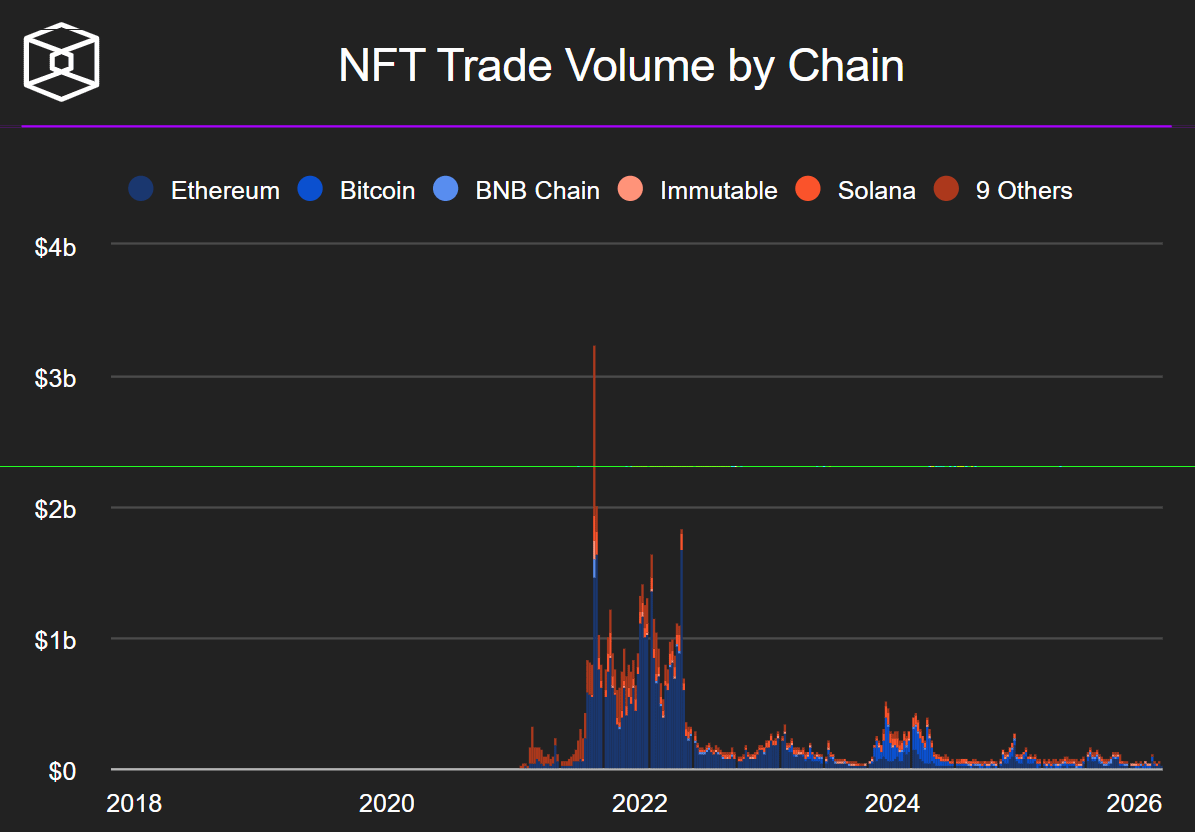
The NFT market surged into global attention in 2021. Digital artworks sold for millions of dollars. Profile picture collections became online status symbols. Celebrities, influencers, and brands launched NFT collections. Trading volumes on major marketplaces reached billions per month.
The narrative was powerful: digital ownership had finally arrived.
Speculation fueled rapid price appreciation. Early buyers enjoyed exponential gains. Media coverage fueled demand. For a moment, NFTs embodied the forefront of Web3 culture.
The Collapse: 2022-2024 Downturn
As broader crypto markets declined, NFT trading volume plummeted. Floor prices in major collections dropped substantially from peak levels. Liquidity evaporated. Many projects went dark or abandoned.
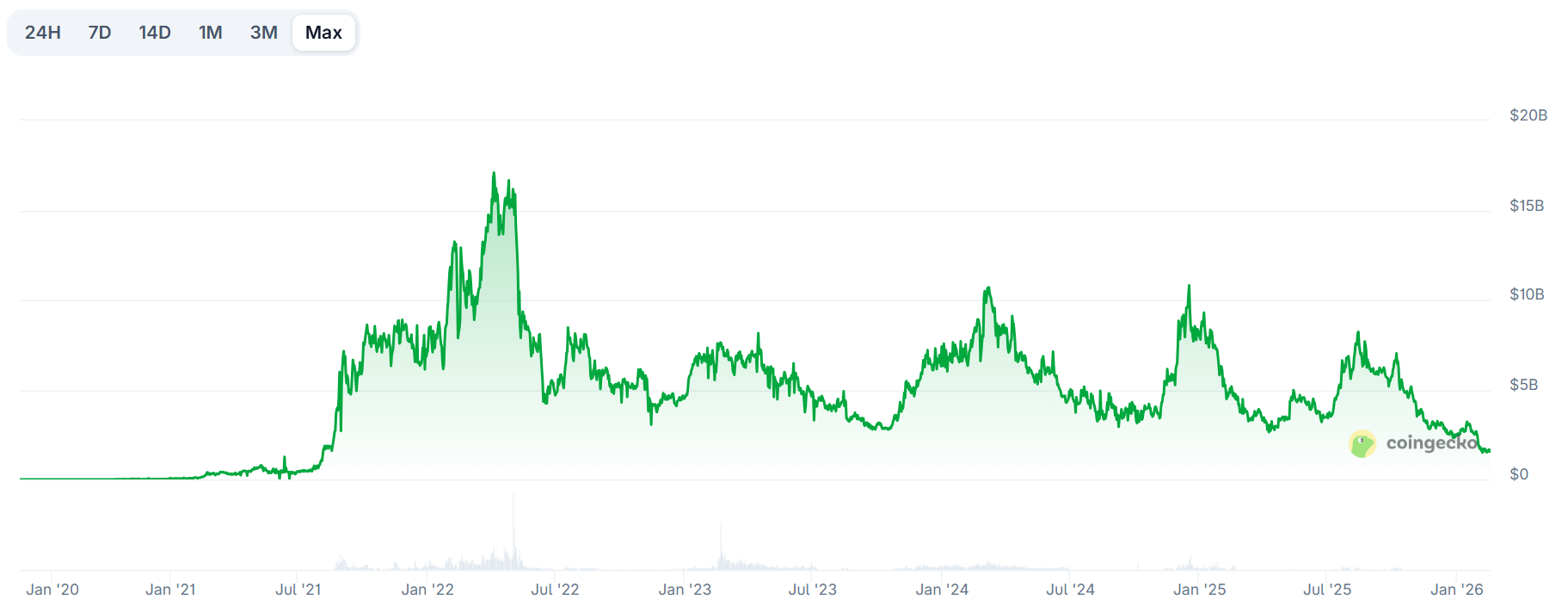
Retail investors who entered for short-term gains left the market. Headlines started declaring that NFTs were dead.
But market shrinkage doesn’t necessarily mean technological obsolescence.
Why Many Believe NFTs Are Dead
Several inherent flaws were revealed during the downturn:
Speculation without utility
Thousands of low-quality copycat projects
Misunderstanding of risk among new investors
Celebrity projects that failed to deliver
Lack of sustainable long-term demand
For many in the market, NFTs were considered trading vehicles rather than ownership technology. Once price momentum disappeared, so did interest.
The Logan Paul Case: A Symbol of the Cycle
Celebrity involvement was a major factor in the acceleration of NFT mania. One such celebrity was Logan Paul and his involvement in NFT projects, such as CryptoZoo.
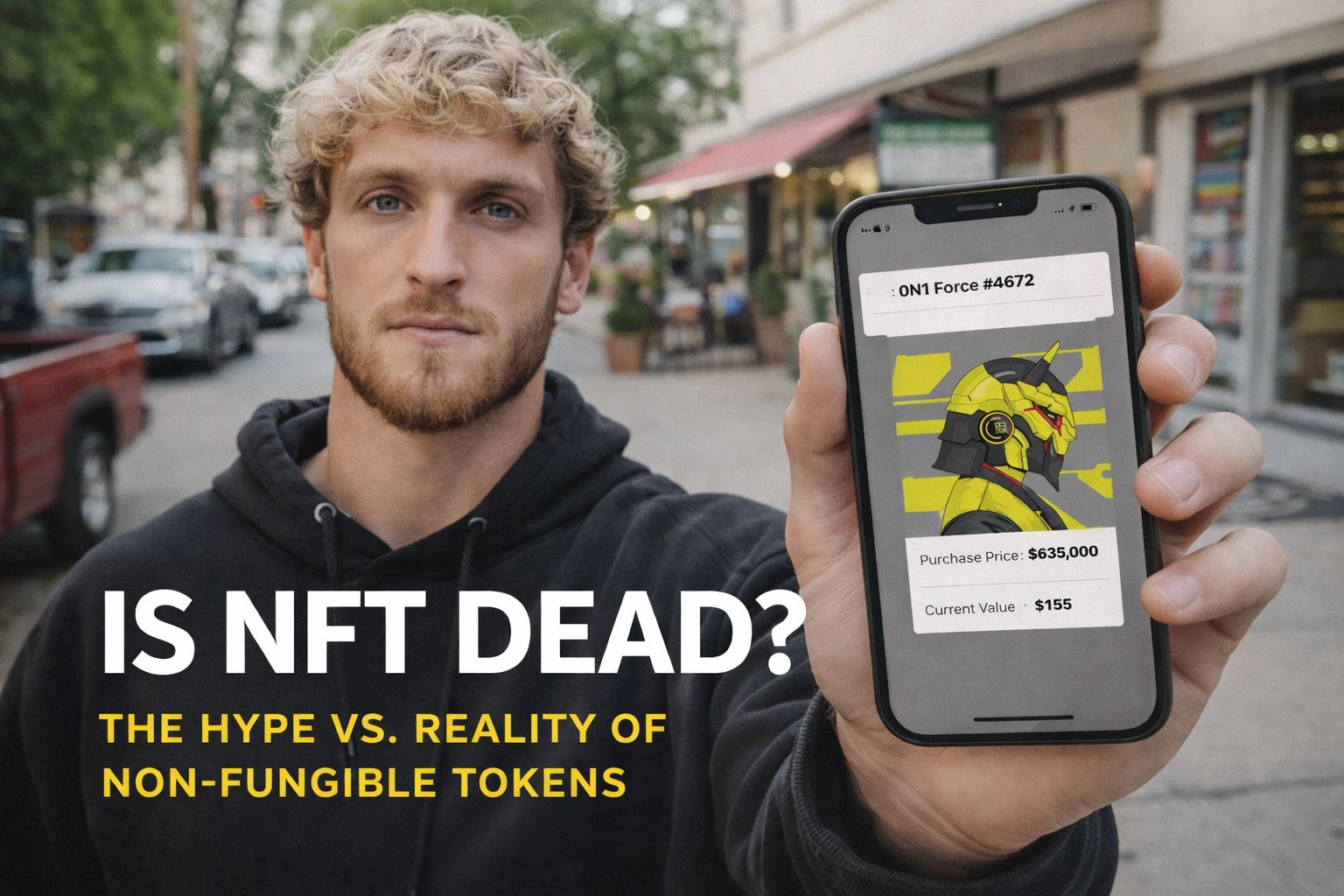
During the 2021 NFT market peak, Logan Paul bought an NFT from the 0N1 Force collection for around $635,000. At the peak of the bull market, such purchases were considered digital status symbols and long-term cultural assets.
Recent market information indicates that the same NFT is now worth around $155. This is a fall of over 99.9% from its original purchase price.
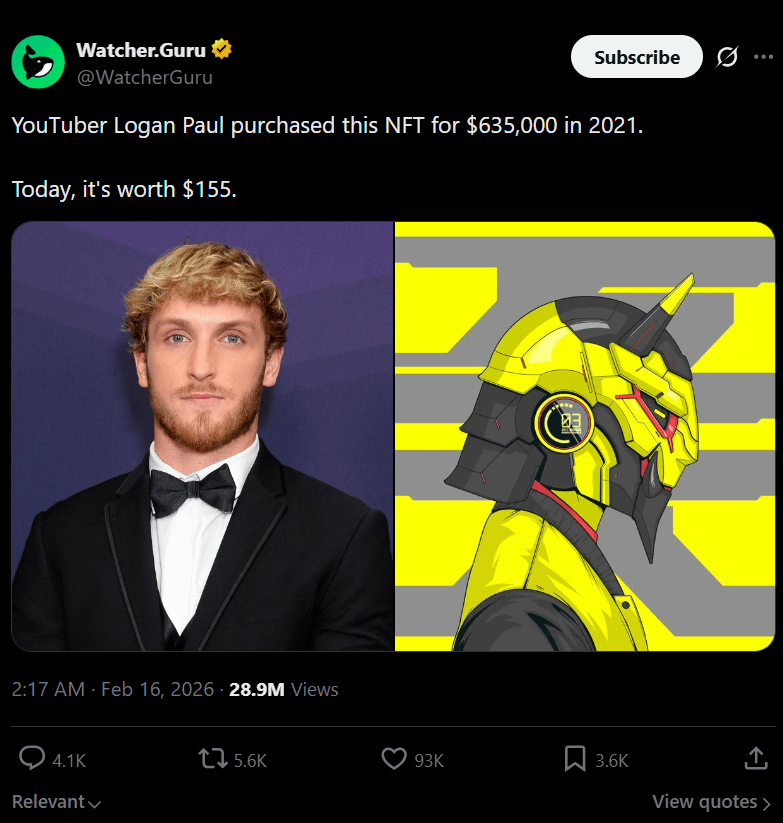
This extreme price drop highlights several inherent realities of the NFT market:
Peak prices were driven by hype and social momentum.
Liquidity within the NFT market is highly cyclical and demand-driven.
Many profile picture collections lacked sustainable revenue streams or utility models.
CryptoZoo also received criticism and legal challenges for failing to deliver on expectations, further fueling public disillusionment with celebrity NFT projects.
Recently, Logan Paul made news again by selling a rare physical Pokémon card for around $16.5 million. Although this sale was record-breaking, it was not a revival of the digital NFT. Rather, it brought attention to the difference between traditional markets for collectibles, which have deep liquidity and demand, and the volatile NFT market.
The case does not represent the failure of NFT technology. It shows how a speculative price structure, unconnected to long-term utility, can rapidly unwind once market sentiment changes.
What Actually Died
What has largely died is:
Rapid flipping for guaranteed profits
Hype-driven influencer cycles
Low-effort JPEG collections with no utility
Irrational valuations unconnected from real demand
The speculative bubble popped. The infrastructure is still there.
What Is Still Developing
Although trading volumes are down, NFT technology is still developing in terms of use cases:
Gaming: Ownership of in-game items and digital economies
Ticketing: Fraud-proof digital tickets
Membership systems: Token-gated communities and loyalty programs
Digital identity: Verifiable credentials and online authentication
Real-world asset tokenization: Representation of physical assets on blockchain networks
These applications are less about speculation and more about utility.
Market Cycles and Innovation
It is a pattern of history that new technologies go through speculative market cycles before reaching maturity. Interest accelerates, capital pours in, and a bubble forms. Eventually, a correction occurs.
After the correction, serious builders are left. Infrastructure develops in the background. Regulation becomes more defined. The technology moves past the hype cycle.
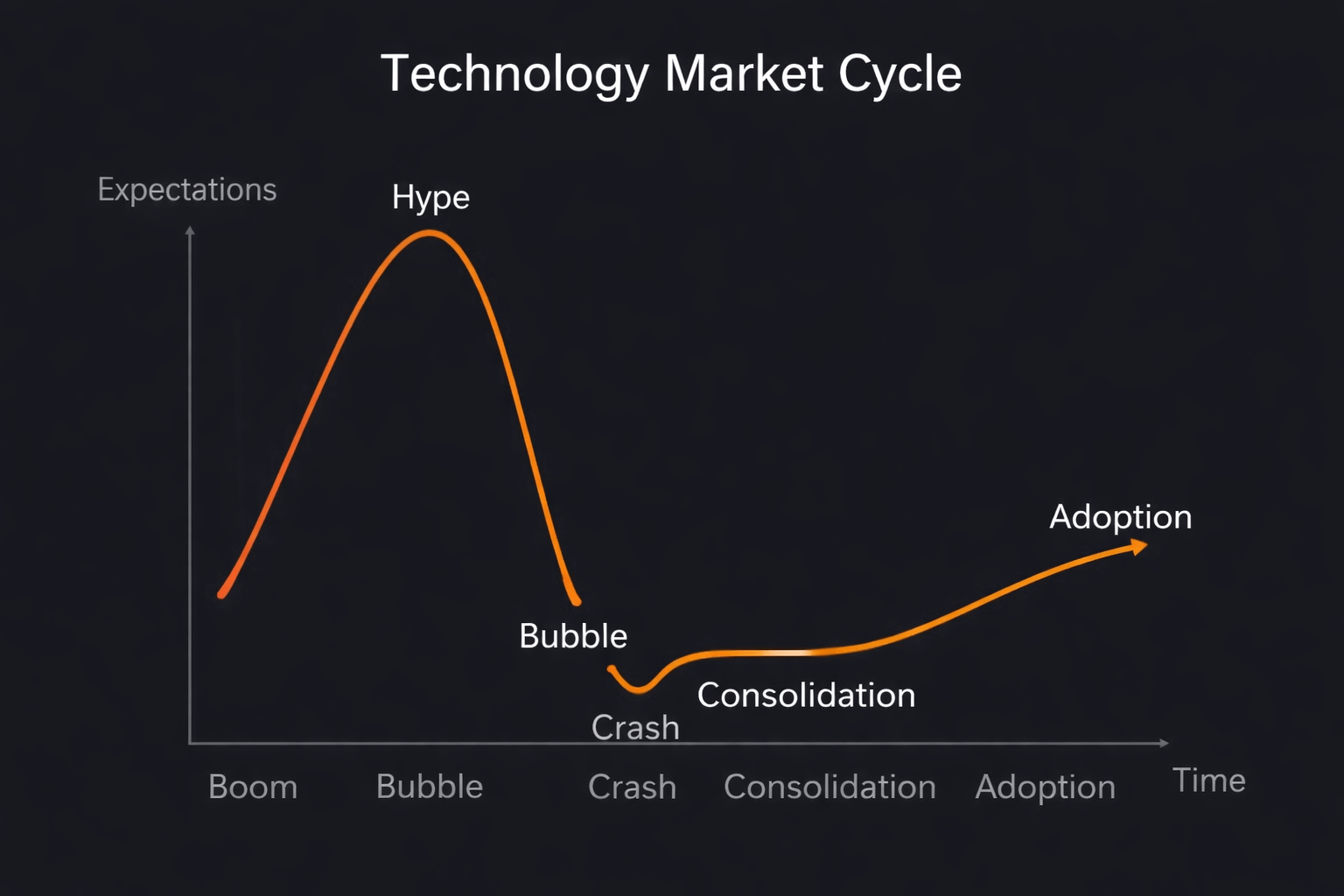
The NFT market seems to be at this point in time.
The Structural Shift
The initial NFT market was all about digital collectibles and profile picture projects.
The next wave could be characterized by:
Smooth integration into apps and games
Utility that users interact with but are unaware of
Institutional testing
More defined regulatory frameworks
In this scenario, NFTs could become invisible infrastructure rather than a hype asset.
Final Verdict
NFTs are not dead.
The hype cycle is over. The speculative bubble has burst. Many initial projects have failed.
However, the underlying technology is still in place.
High-Value Sales Still Occur
Utility-focused NFTs are quietly developing outside the spotlight.
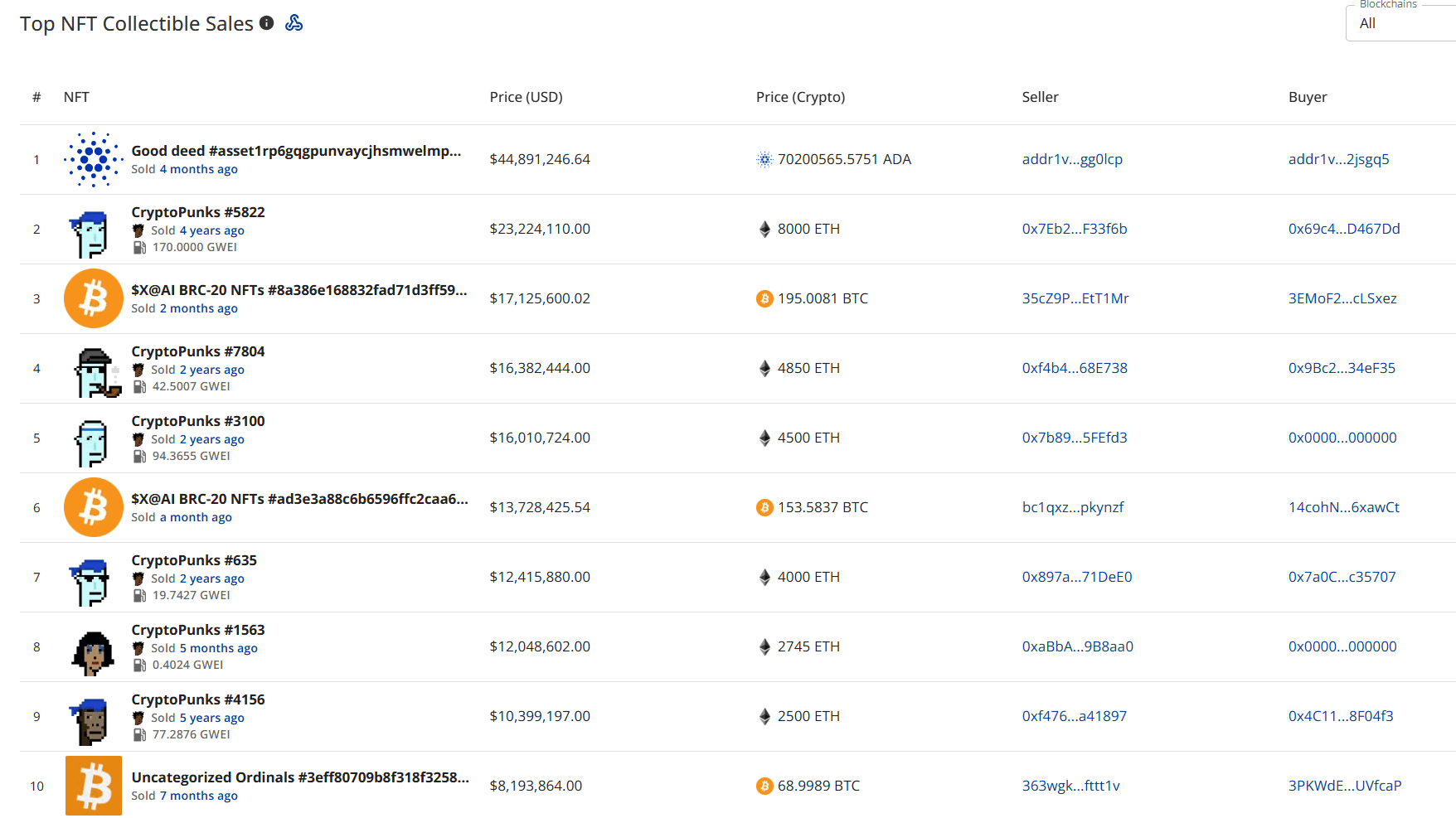
The future of NFTs will probably be more subdued, more utility-focused, and less about the headlines.
#NFT #NFTComeback