@Dusk tackles a problem that’s held back real institutional adoption for years: how do you follow strict regulations, let users hold their own assets, and keep markets open enough that everyone trusts what’s happening? Instead of treating these as things you have to compromise on, @Dusk pulls them together using programmable privacy and identity, so they actually support each other—all on one regulated DeFi stack.
Regulation: privacy with real accountability
In places like the EU, the rules say you have to know who your customers are (KYC/AML), but you also have to protect their privacy. It’s a tough balance. @Dusk uses zero-knowledge cryptography and what it calls “zero-knowledge compliance.” Here, users prove they meet all the regulatory checks, but nobody—except those who absolutely need to know—ever sees the details. Transactions get encrypted using user keys, but there’s also an auditor key layered in. Zero-knowledge proofs guarantee the right auditor can see what they need, and that all the rules were followed, but the rest of the world just sees the proof, not the data.
Basically, this setup means you can share info with regulators or auditors when you have to, but you don’t expose your whole order book or client list to the public. That’s not just a nice-to-have; in privacy-focused places, it’s the law.
Self-custody: real control, not regulatory blind spots
Self-custody is core to what @Dusk does. Users get full, direct control over their assets, and can still join in regulated financial markets. Instead of forcing everyone to park assets with big custodians, Dusk uses security-focused token standards and private smart contracts, so you can hold regulated tokens yourself. Protocols like Zedger and the XSC security-token contract let people own and move regulated assets, while the chain quietly enforces all the necessary rules—stuff like lockups or jurisdictional restrictions.
This also cuts down on the endless duplication of KYC checks. Rather than every platform building their own identity silo, you get verified once and use that across anything built on Dusk. You hold your own assets and credentials, and the chain itself makes sure only the right people get into each market.
On-chain transparency: oversight without the spotlight
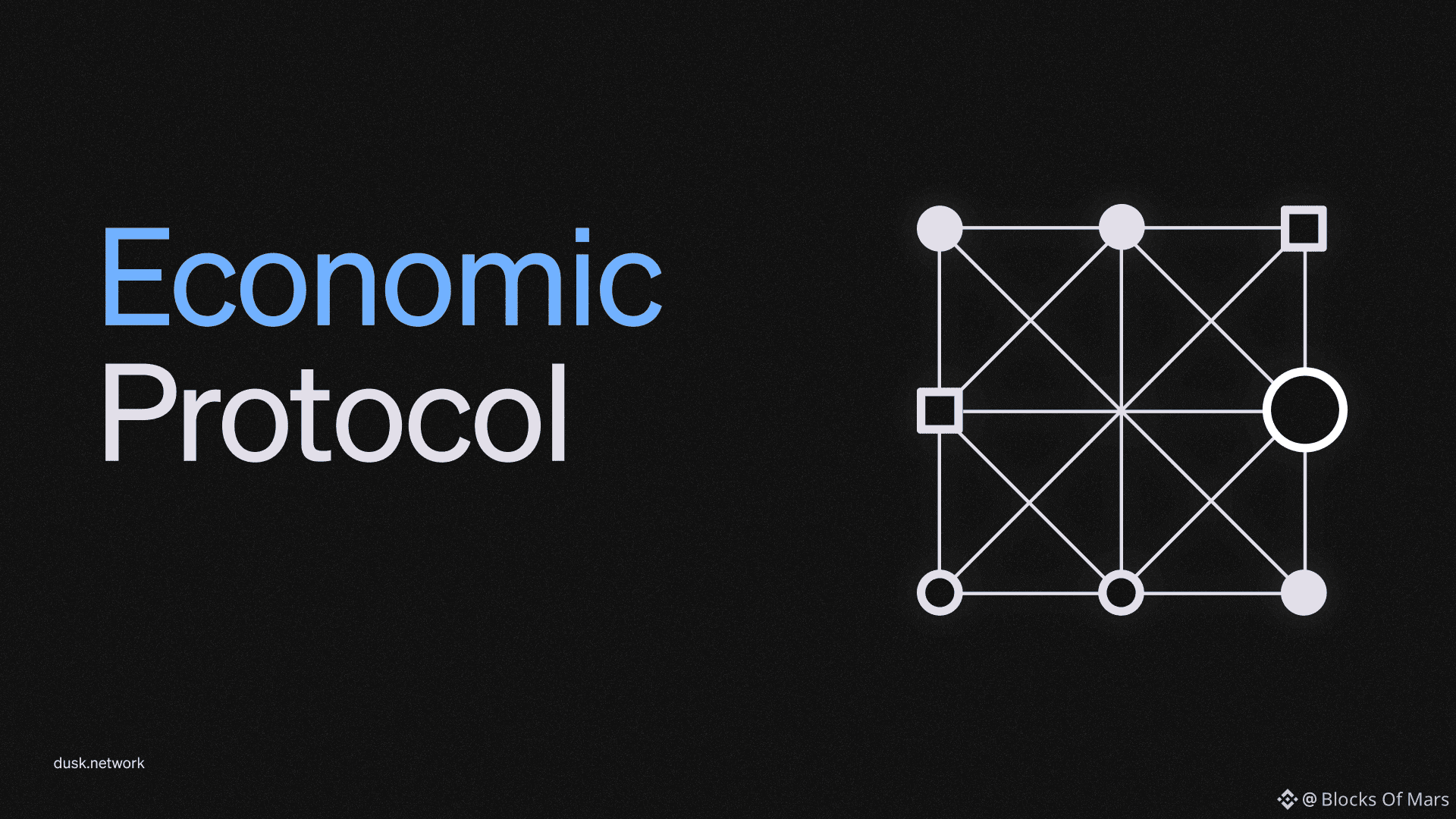
Total secrecy isn’t good—regulators need to catch abuse, spot risks, and piece together what happened if something goes wrong. But full public exposure isn’t workable either. @Dusk goes for “selective transparency.” Details stay private from the general public, but are always visible to the right people—regulators, exchanges, whoever’s authorized. High-level market data is still out there, so everyone can see that settlements are happening and rules are followed, just not the granular details of every trade.
By baking compliance and identity into the protocol itself, Dusk avoids messy workarounds like mixers or off-chain tricks—stuff regulators just don’t trust. KYC is enforced by math, not business logic. Sanctions and blacklists are built right into transaction rules. Regulators get a clear, standard way to check what’s going on. In Dusk’s world, transparency means the right people can verify everything, not that everyone has to share their entire financial life with the world.
Putting it all together on one chain
Most blockchains pick two out of three—regulation, self-custody, or privacy—and leave the rest behind. @Dusk doesn’t choose; it builds all of them into one system. Zero-knowledge proofs and encrypted transactions keep things confidential, while programmable privacy and digital identity make sure only compliant activity can happen. You get real self-custody over regulated assets, with rules everyone can trust. And authorities get enough visibility to supervise, without turning every address into a public dossier.
The end result? An L1 where capital markets can finally move on-chain, with legal compliance, user control, and genuine transparency—something generic public chains just never managed to pull off. $DUSK #Dusk