

Why Long-Term Storage Needs Punishment, Not Promises

🤝 The Biggest Lie in Decentralized Storage
Most decentralized storage systems quietly rely on one dangerous assumption:
“Storage providers will keep behaving well… forever.”
They may use:
Reputation systems
Soft incentives
Future rewards
Community pressure
But when storage commitments last months or years, goodwill becomes fragile.
This is where Walrus Protocol takes a radically different approach.
Walrus does not encourage honesty.
Walrus enforces it.
All mechanisms discussed here are grounded directly in the Walrus whitepaper
🧠 Why Storage Is an Economic Problem First
Before storage is technical, it is economic.
Consider the incentives:
A node gets paid today
Storage costs continue tomorrow
Hardware fails silently
Bandwidth isn’t free
Better opportunities appear
Without enforcement, the rational strategy becomes:
“Store now, disappear later.”
Walrus is designed specifically to eliminate that strategy.
⚖️ The Tragedy of the Commons — On-Chain Edition
In decentralized systems:
Storage is shared
Costs are private
Failures are socialized
This creates a classic tragedy of the commons.
If one node cheats:
Everyone else pays recovery costs
Availability degrades
Trust erodes
Walrus directly prices this externality.
🪙 WAL Token: Not a Speculative Decoration
In Walrus, the WAL token is not cosmetic.
It is:
🔒 Collateral
⚠️ Insurance
🔥 A punishment mechanism
Storage nodes:
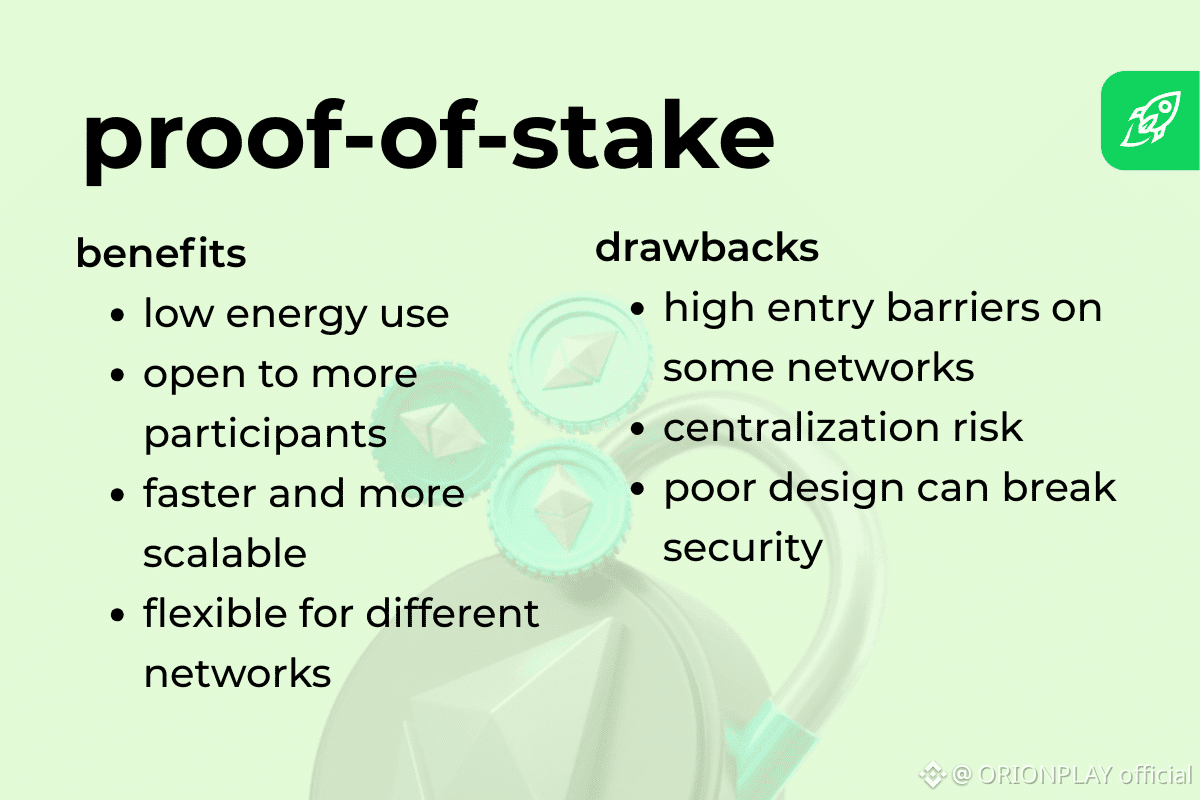
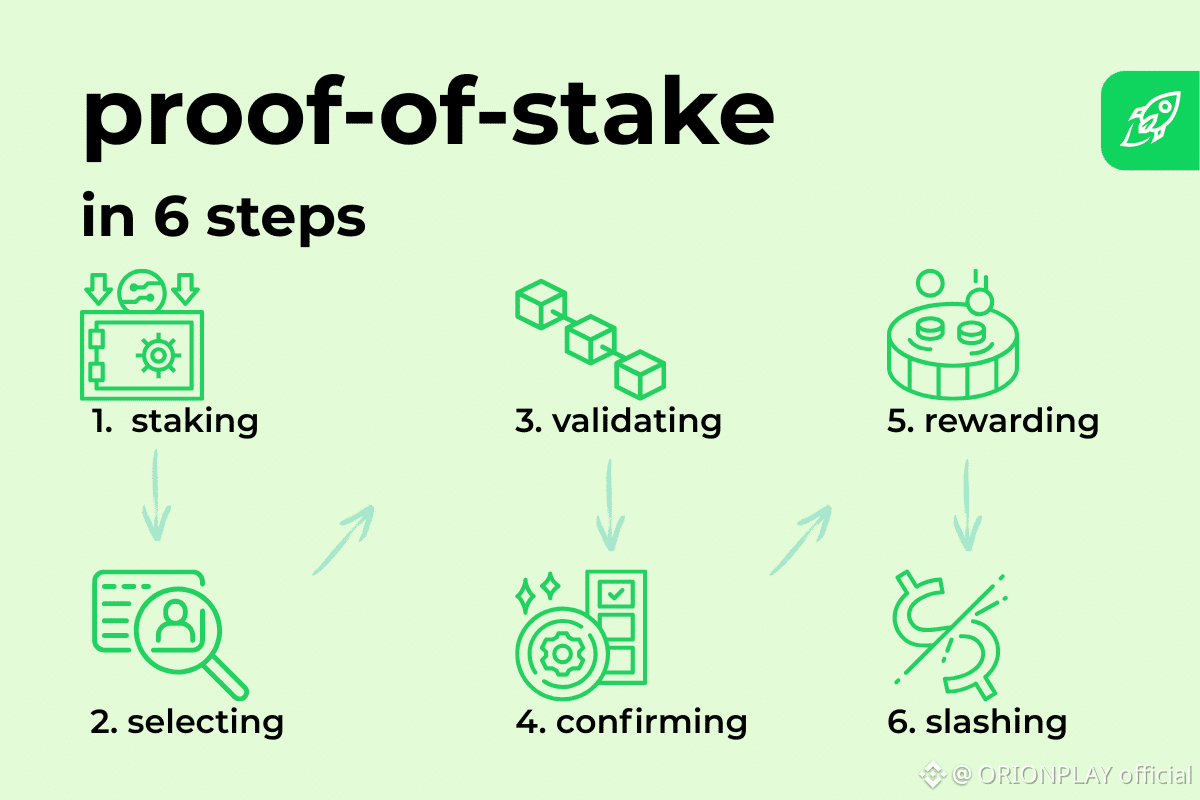
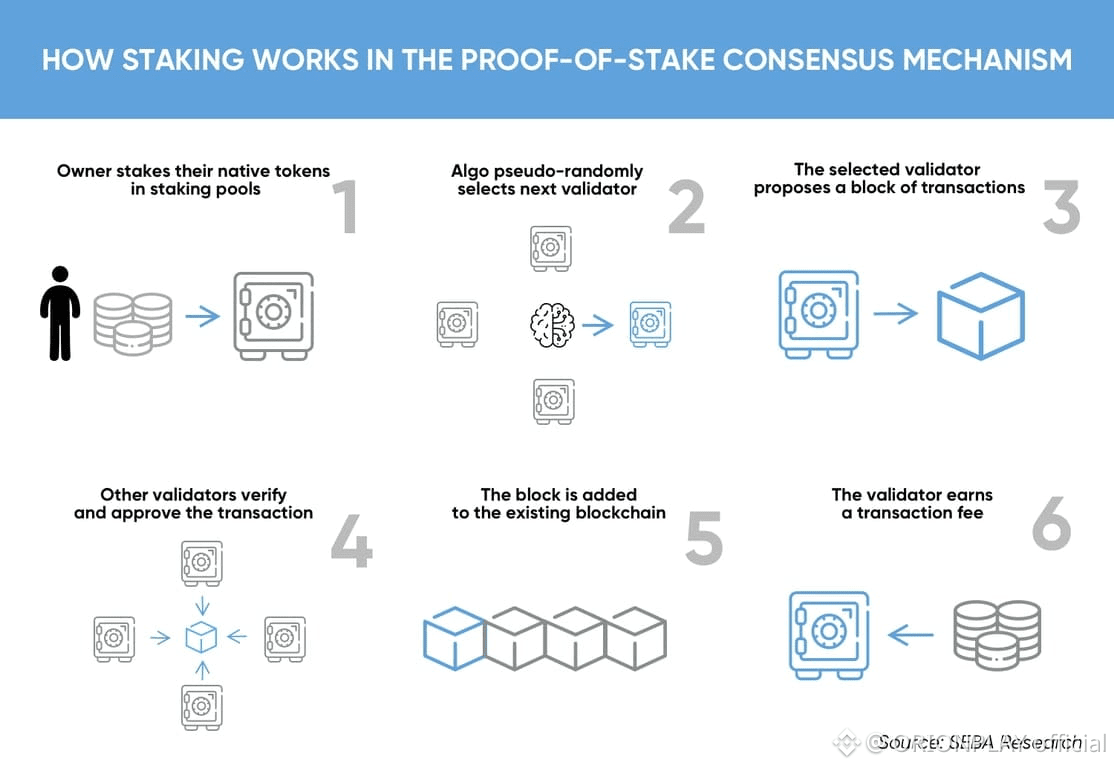
Stake WAL
Accept long-term liability
Put real value at risk
This immediately changes behavior.
🧩 Delegated Staking: Skin in the Game for Everyone
Walrus allows:
Direct node staking
Delegated staking from users
Why this matters:
Nodes compete for delegation
Poor behavior scares capital away
Reputation becomes economic, not social
Delegators:
Share rewards
Share penalties
Are incentivized to monitor performance
This creates distributed oversight, not centralized trust
🔪 Slashing: The Mechanism Everyone Avoids Talking About
Slashing is uncomfortable.
And that’s precisely why it works.
In Walrus:
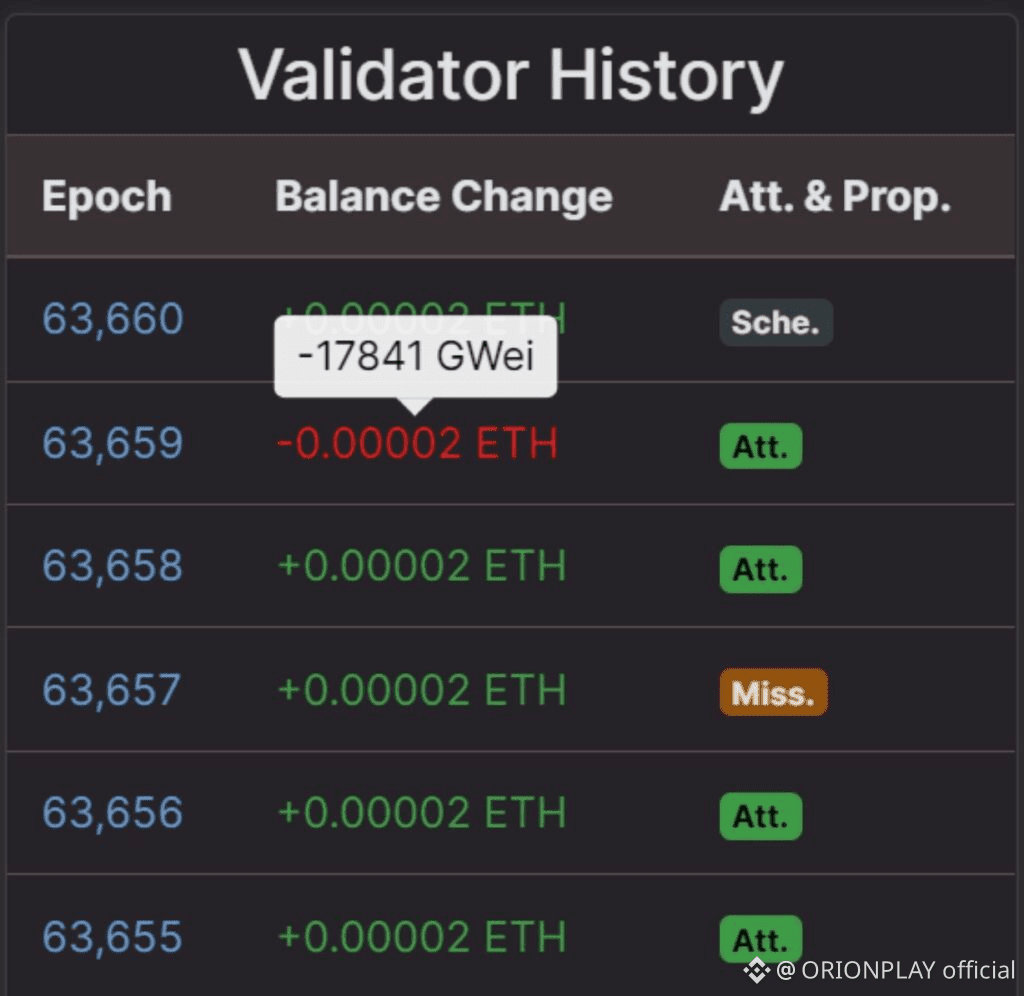
Missing data triggers penalties
Failed recovery triggers penalties
Dishonest behavior is provable
Penalties are not symbolic.
They are economically meaningful.
This turns storage into a bonded service, not a best-effort promise.
🧠 Why Slashing Works Better Than Reputation
Reputation systems fail because:
They lag behind reality
They can be gamed
They don’t repay victims
Slashing:
Is immediate
Is objective
Compensates honest participants
In Walrus, slashed funds:
Offset recovery costs
Reward honest nodes
Restore equilibrium
Cheating becomes irrational.
⏳ Epochs: Time as an Enforcement Tool
Walrus operates in epochs, and this matters economically.
Epochs:
Lock stakes
Fix responsibilities
Delay exits
A node cannot:
Earn rewards
Misbehave
Exit instantly
There is always a window where penalties can apply.
This eliminates the classic:
“Take the money and run” attack
🔄 Unstaking Is Not an Escape Hatch
Unstaking in Walrus:
Is delayed
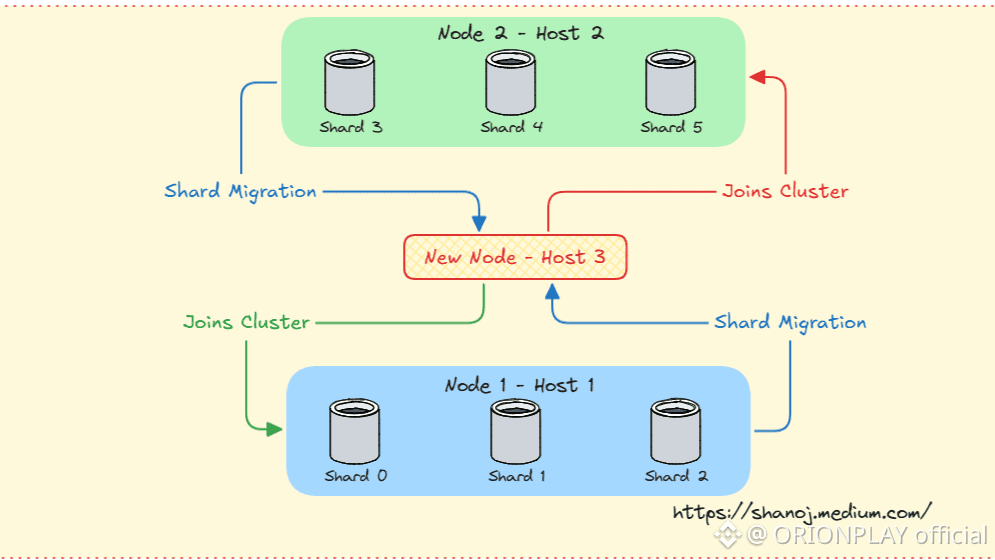
Passes through shard migration
Remains slashable
Even delegated stake:
Is not immediately liquid
Can be penalized for failures
This ensures:
Long-term commitments stay binding
Capital cannot dodge responsibility
Storage becomes a forward contract, not a spot market.
😄 Analogy (Because Economics Stick Better This Way)
Most storage networks:
“Please behave nicely.”
Walrus:
“Behave nicely — or lose money.”
Only one of these scales under pressure.
🧠 Why This Economic Design Is Rare
Many protocols avoid strong penalties because:
It scares participants
It complicates UX
It limits fast growth
Walrus accepts slower, healthier growth in exchange for:
Predictable availability
Enforced honesty
Long-term viability
This is infrastructure thinking — not hype thinking.
🔄 Shard Migration: Where Economics Meets Reality
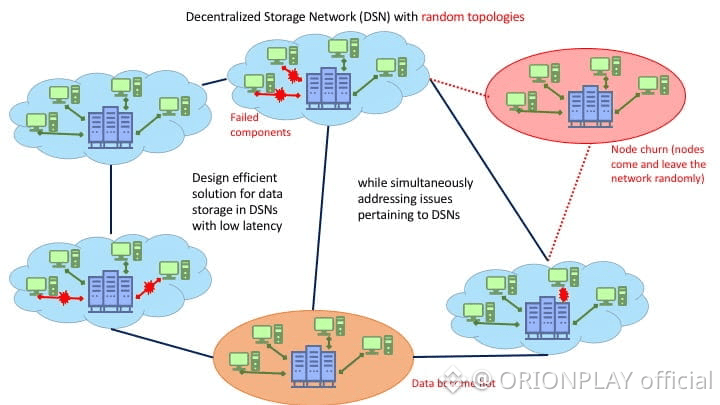
Most decentralized systems treat node churn as a technical inconvenience.
Walrus treats it as an economic event.
That distinction is crucial.
🧩 Why Shards Exist at All
Instead of binding storage to fixed nodes, Walrus binds it to shards:
Shards represent storage responsibility
Nodes may control multiple shards
Shards move when stake moves
This allows the system to:
Adapt to changing capital distribution
Avoid centralization by hardware elites
Keep security proportional to economic weight
⚖️ Cooperative vs Recovery Migration (The Incentive Split)
Shard migration has two paths:
🤝 Cooperative Migration
Old node transfers data correctly
New node attests receipt
No penalties
No rewards redistributed
This is the cheapest path — and nodes are strongly incentivized to choose it.
🚨 Recovery Migration (When Cooperation Fails)
If migration fails:
Old node gets slashed
New node gets mildly slashed (to prevent false claims)
Other nodes recover shards
Slashed funds compensate helpers
This design ensures:
No free-riding
No hostage situations
No silent abandonment
Failure becomes expensive — fast.
🧠 Why This Beats “Trust the Operator” Models
In many networks:
Node exits are informal
Data handoffs are assumed
Failures are handled socially
Walrus removes ambiguity:
Migration success is provable
Failure has a defined cost
Recovery is automatic
This is enforced reliability, not aspirational reliability.
💸 Pricing Storage Without Exploitation
One of the hardest problems in decentralized storage is pricing.
If prices fluctuate wildly:
Users can’t plan
Nodes can’t invest
Long-term contracts fail
Walrus solves this with epoch-based pricing.
🏷️ How Storage Prices Are Set
Each epoch:
Nodes submit price proposals
The 66.67th percentile is selected
Extremes are ignored
Stability is favored
This avoids:
Cartels
Race-to-zero pricing
Sudden rent extraction
🧾 Storage as a Resource, Not a Subscription
In Walrus:
Storage is purchased as a resource
Has a defined size
Has a defined lifetime
Can be traded or reassigned
This creates:
Predictability for users
Capital efficiency for nodes
A real secondary market
Storage stops being a vague promise —
it becomes a measurable asset.
🔐 Why Walrus Avoids Mid-Contract Price Changes
A subtle but powerful design choice:
Once storage is bought, price changes do not affect it.
Why?
Prevents ransom pricing
Protects long-term users
Encourages honest capacity planning
Nodes must honor past commitments —
or face penalties.
🗳️ Governance Without Chaos
Walrus uses token governance, but in a restrained way.
Governance controls:
Penalty magnitudes
Reward rates
System parameters
Governance does NOT:
Micromanage storage
Intervene in disputes
Override cryptographic proofs
This minimizes political attack surfaces while allowing evolution. @Walrus 🦭/acc $WAL
🧠 Why Economic Finality Matters More Than Speed
Many systems chase:
Fast exits
Liquid staking
Instant withdrawals
Walrus prioritizes:
Accountability
Finality
Long-term correctness
Because in storage:
Speed is optional.
Integrity is not.
😄 One Last Analogy (Because It Fits Perfectly)
Most storage systems:
“Cancel anytime.”
Walrus:
“Fulfill your contract — or pay the penalty.”
Only one of these keeps data alive for years.

