
Over the years, as I've studied various blockchain projects, I've come to appreciate those that address core challenges thoughtfully rather than rushing toward trends. Privacy in financial systems has always seemed particularly important to me—not as an extra feature, but as something fundamental when handling sensitive data or regulated assets. This is why Dusk Network's approach stands out in my mind. From what I've learned, it is a Layer 1 blockchain that integrates privacy from the ground up, using zero-knowledge cryptography and privacy-preserving smart contracts. In my view, this native design was not just preferable, but essential for the kind of reliable, compliant privacy the project aims to provide.
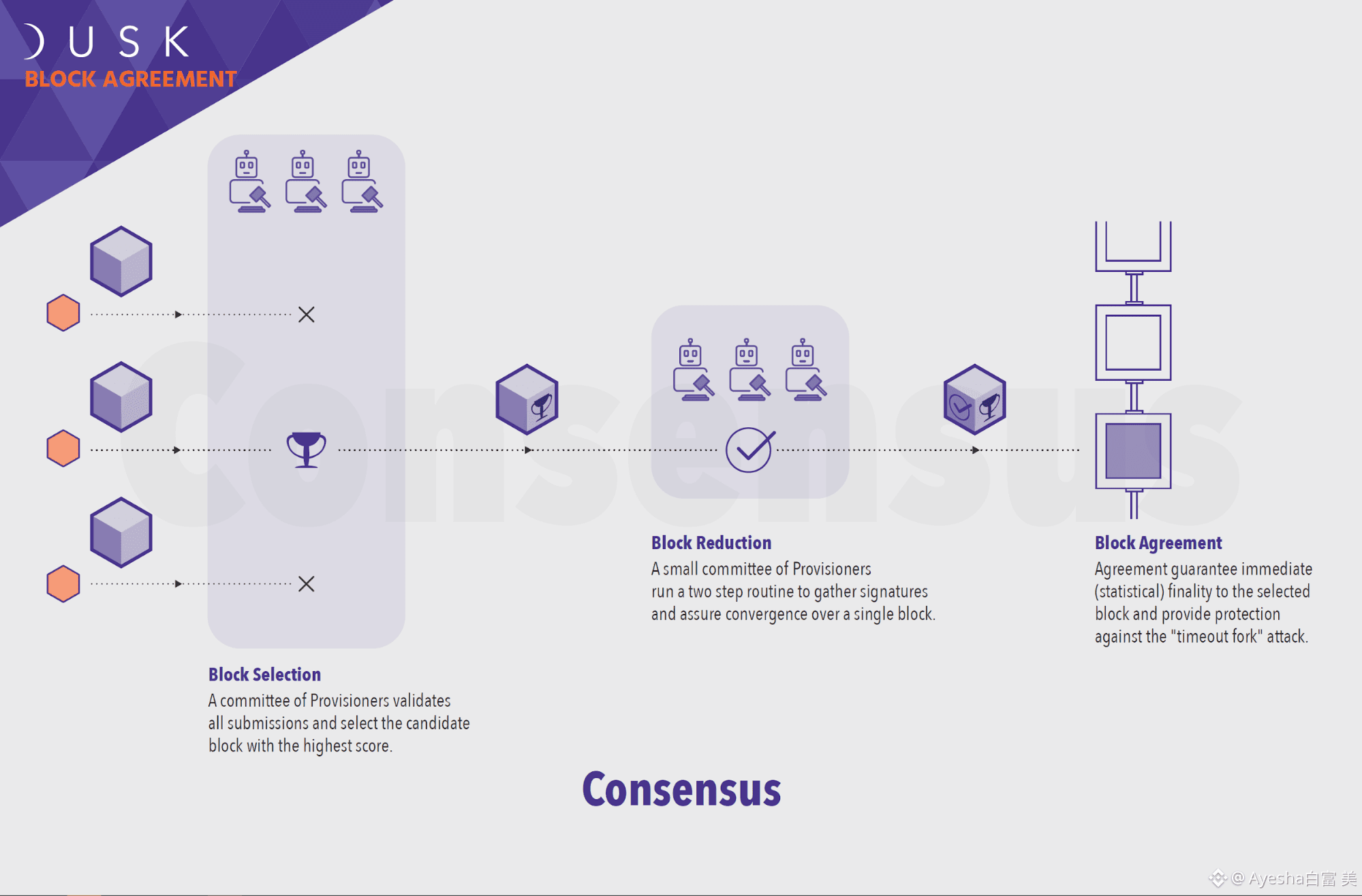
(A technical overview diagram of Dusk Network's architecture, highlighting its Layer 1 structure.)
The Limitations I've Observed in Add-On Privacy Solutions
Many blockchains, such as Ethereum or other general-purpose networks, are transparent by default. This openness has advantages for verification and auditing, but it creates challenges when privacy is needed. Often, privacy is introduced through Layer 2 solutions, mixers, or separate protocols that use zero-knowledge proofs to obscure data while settling on the base chain.
In my experience following these systems, this layered approach can work in some cases but introduces certain trade-offs:
1). Additional trust assumptions, such as relying on bridges or sequencers.
2). Potential performance overhead from computing proofs on top of a chain not optimized for them.
3). Complexity in achieving selective disclosure for regulatory compliance.
These factors can make privacy feel somewhat fragile or conditional, depending on the underlying public layer.
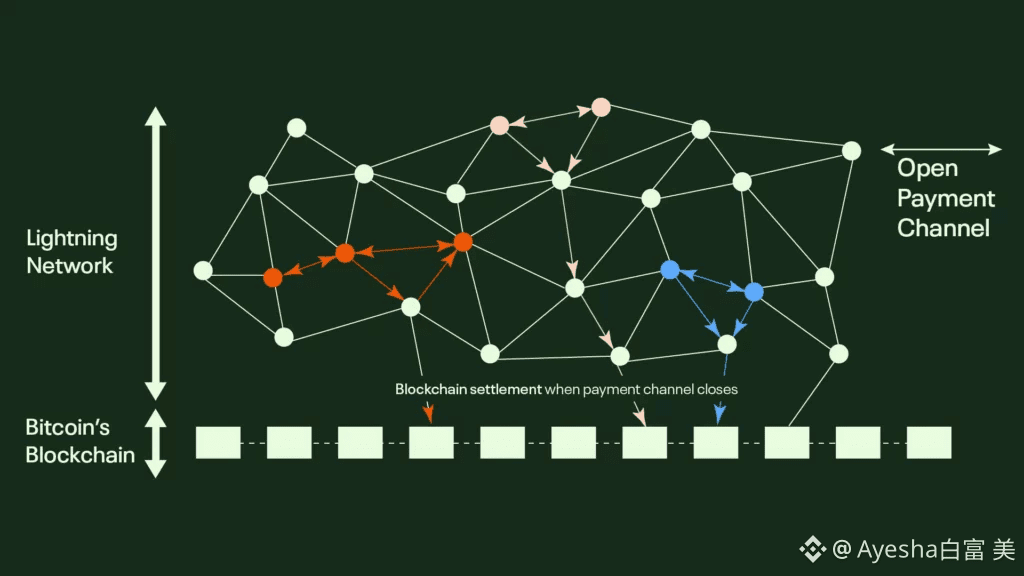
(An explanatory diagram comparing Layer 1 and Layer 2 scaling and privacy approaches.)
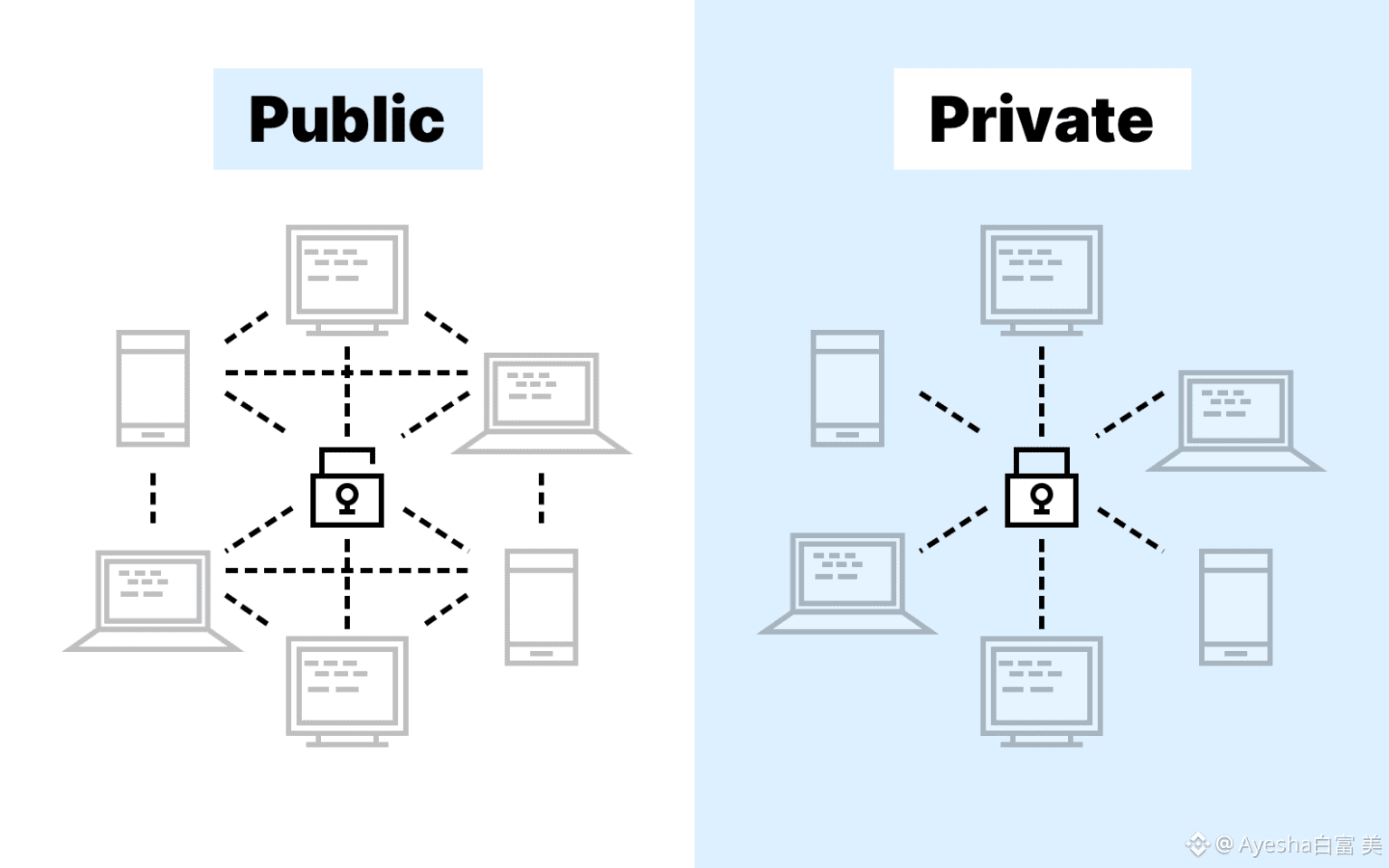
(A comparison of public versus private blockchain characteristics, useful for understanding trade-offs.)
How Native Privacy in a Layer 1 Changes the Equation
Dusk Network, as a dedicated Layer 1, builds privacy directly into the protocol. It employs zero-knowledge proofs to enable confidential transactions and smart contracts without revealing underlying details, while still allowing verification of correctness.
Key elements that I find noteworthy include:
1) Privacy-Preserving Smart Contracts: These allow logic and data to remain shielded, yet enforceable—suitable for tokenized assets or automated processes.
2) Segregated Byzantine Agreement (SBA) Consensus: A mechanism that supports efficient proof generation and validation in a privacy-focused environment.
3) Compliance-Oriented Design: Features like selective disclosure help meet regulatory needs without exposing everything publicly.
Because privacy is native, it inherits the full security of the base layer and avoids many of the bridging or compatibility issues seen elsewhere. In my understanding, this makes the system more straightforward and resilient for long-term use.
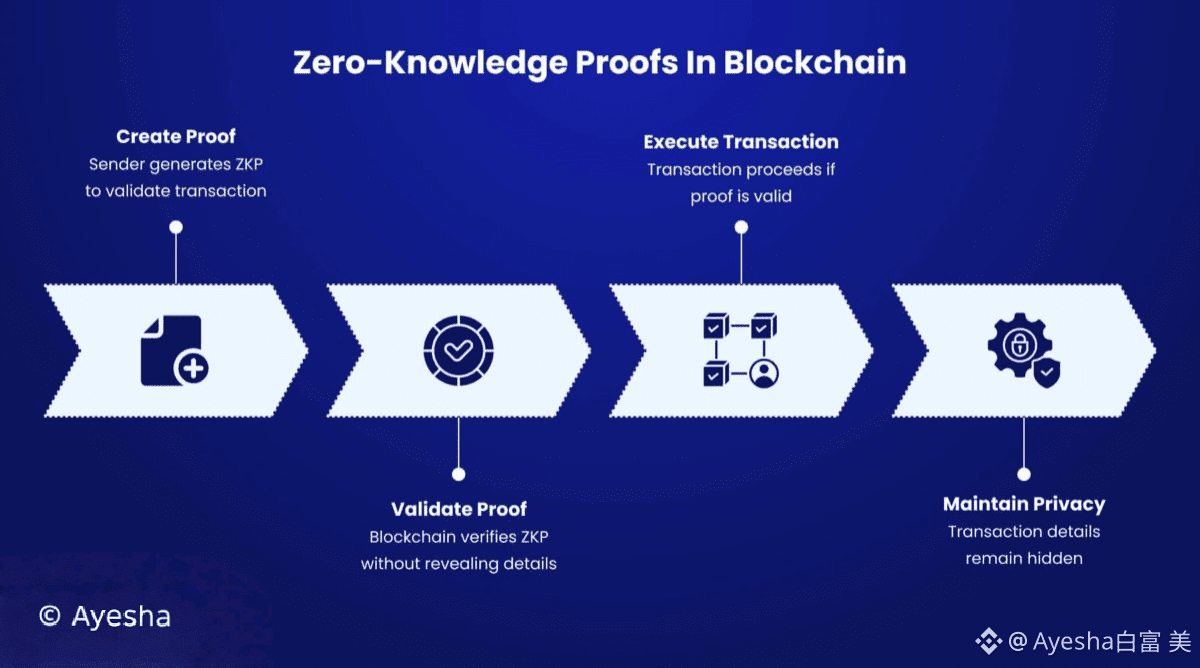
(An educational illustration of how zero-knowledge proofs enable privacy in blockchain transactions.)
Practical Implications for Regulated Finance
What draws me most to Dusk is its focus on real-world financial applications, such as tokenizing securities or other assets. Native privacy supports instant settlement, reduced custodianship, and compliant operations—all while maintaining user control.
For instance, institutions can issue tokens governed by shielded contracts, and users can interact with them directly from wallets. This seems to me a balanced way to bridge traditional finance with blockchain benefits.
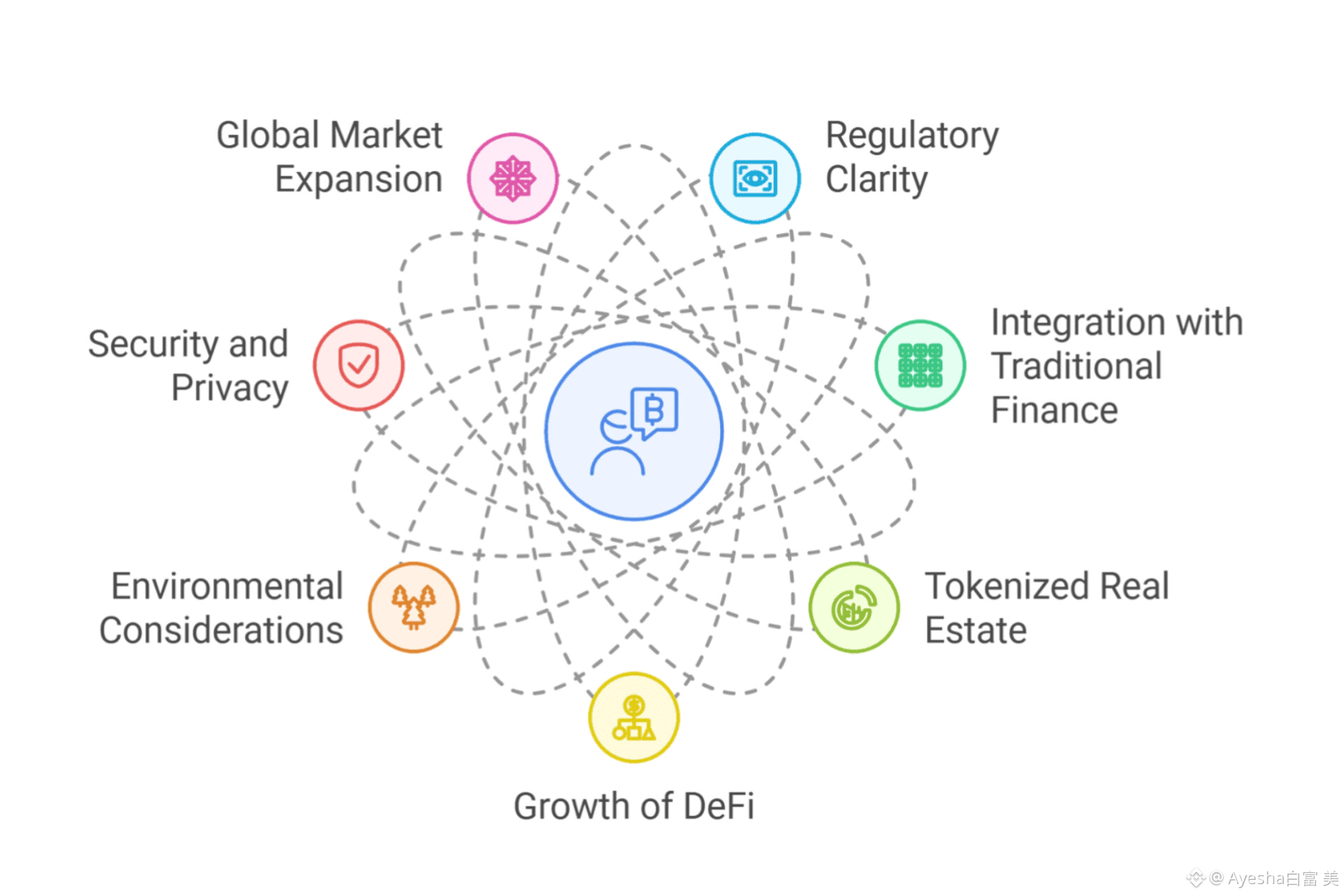
(A visual guide to asset tokenization, relevant to Dusk's goals in regulated digital finance.)
Closing Thoughts
In reflecting on Dusk Network, I believe its Layer 1 foundation was a deliberate and sensible choice. Privacy, especially in finance, works best when it's woven into the core rather than added later. This approach may not suit every use case, but for compliant, private applications, it offers a solid path forward. If you're exploring privacy in blockchain, I find Dusk worth examining closely—its design reflects careful consideration of real needs.
(This reflects my personal perspective based on publicly available information about the project @Dusk .)
