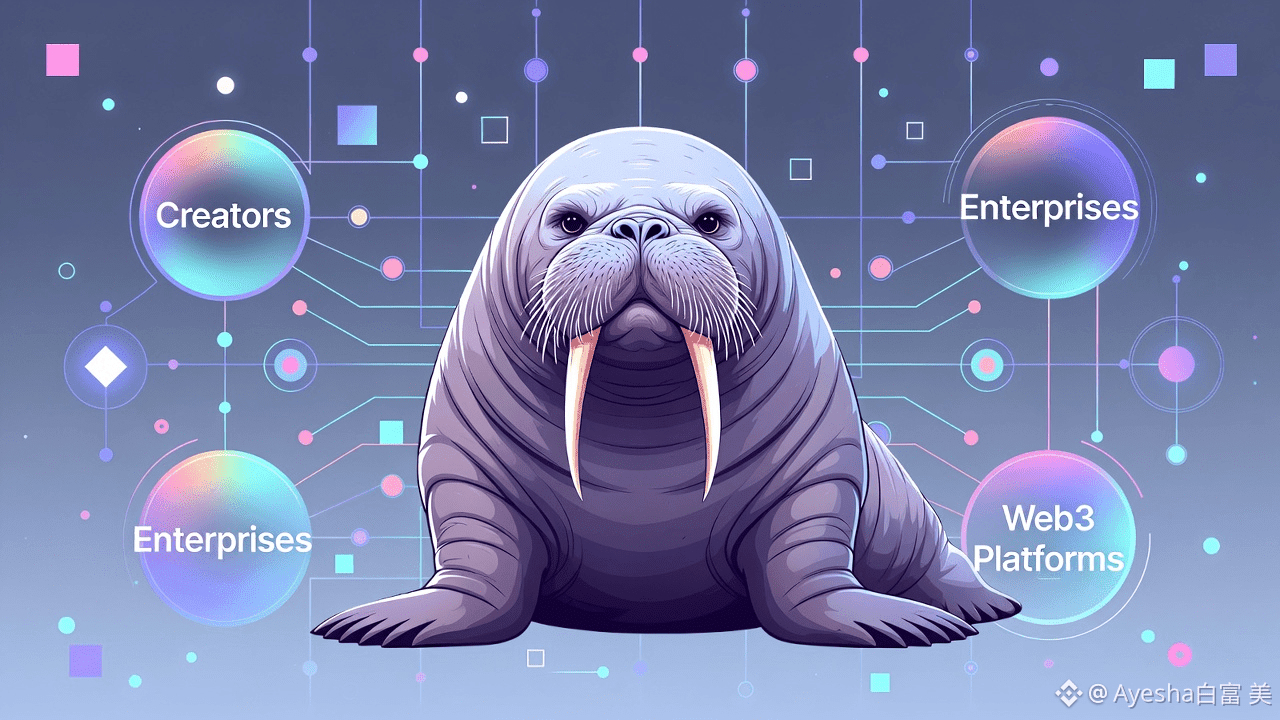
In our increasingly digital world, where everything from family photos to business records lives online, the question of who really owns that data has never felt more pressing.
Traditional cloud services, while convenient, often leave us at the mercy of big companies that control access, pricing, and even the fate of our files.
What if there was a way to shift that power back to individuals and creators? That's where Walrus steps in—a thoughtful innovation in blockchain storage that's quietly reshaping how we think about data.

Built on the Sui blockchain by the team at Mysten Labs, Walrus isn't just another storage option; it's a system designed from the ground up to make data truly yours. At its heart, Walrus handles what are called "blobs"—large chunks of unstructured data like images, videos, or even datasets for AI training. Instead of keeping everything in one central spot, it spreads these blobs across a network of independent nodes.
This distribution uses a clever technique called erasure coding, which breaks the data into pieces and adds a bit of redundancy. The result? Even if some nodes go offline or face issues, your data remains accessible and intact, without needing to duplicate the entire file hundreds of times like in older blockchain setups.
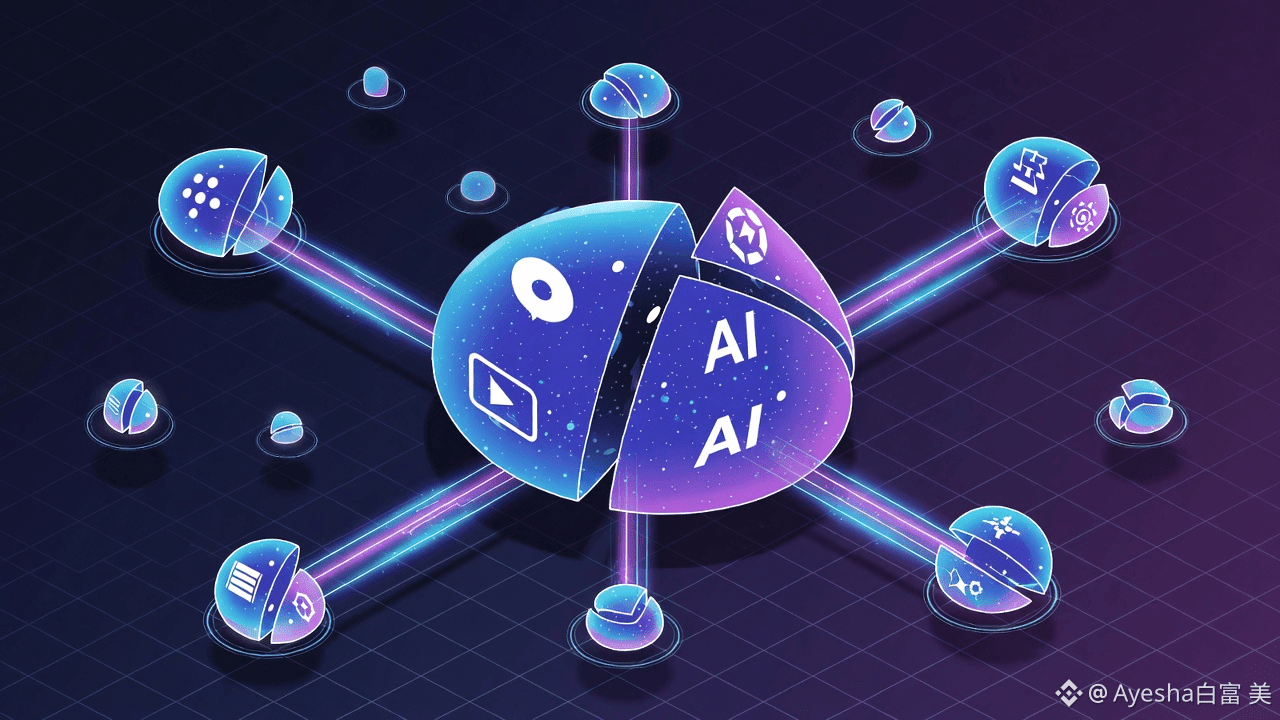
What makes this feel revolutionary is how Walrus ties into the Sui network. Sui acts as the coordinator, managing things like payments, ownership records, and proofs that your data is where it should be. When you store something on Walrus, it's not just parked somewhere off-chain with a fragile link; it becomes a programmable asset on the blockchain itself. This means you can set rules for how it's used, shared, or even monetized, all while keeping full control. Imagine uploading a video and knowing that no single entity can delete it or alter its terms—it's secured by the network's collective vigilance, with ongoing checks to ensure nodes are holding up their end.
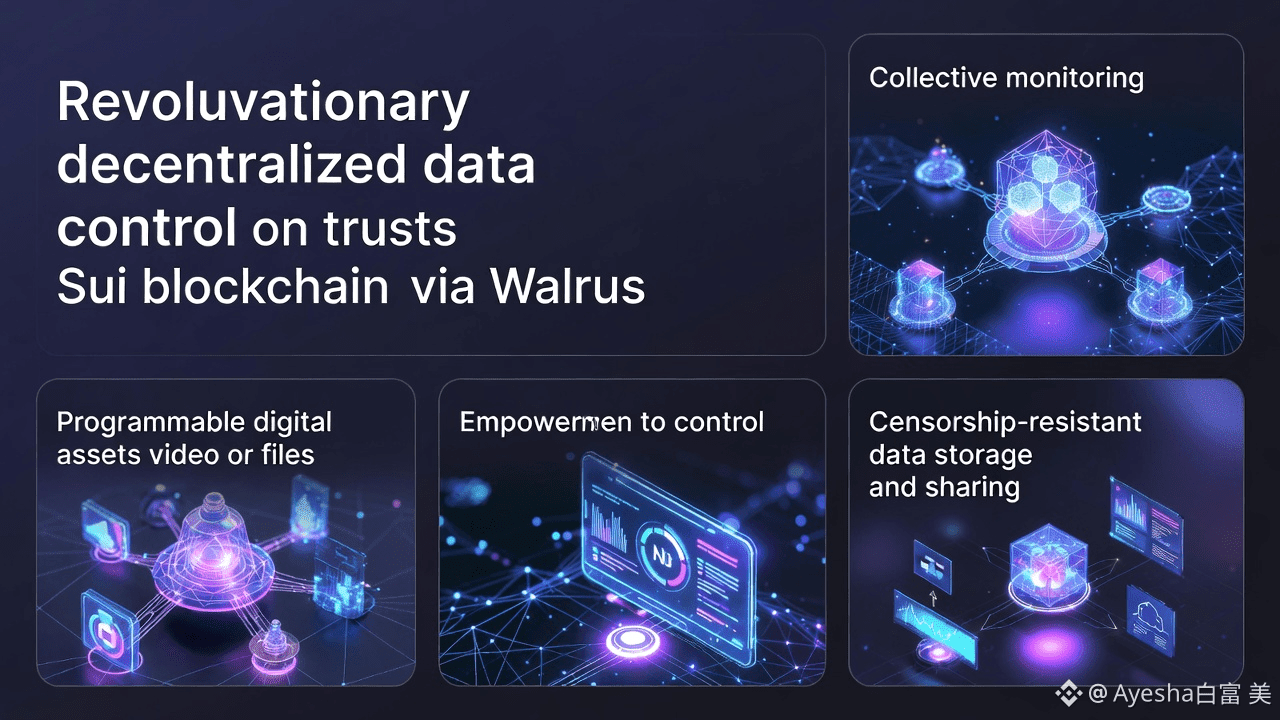
This focus on ownership extends to practical benefits that make everyday use more appealing. For one, it's far more cost-effective than traditional decentralized storage, thanks to Sui's efficient design that keeps replication low—often just four or five times what's needed for reliability. Developers building apps, from games to AI tools, find it easier to integrate because Walrus handles the heavy lifting of large files without bogging down the main blockchain. And for users, there's a sense of security in knowing your data isn't vulnerable to censorship or sudden policy changes from a central authority.
Take NFTs as an example. In many systems, what you "own" is often just metadata pointing to an image stored elsewhere, which could vanish if the host decides to pull the plug. Walrus changes that by storing the actual content decentrally, so your digital art or collectible is as enduring as the blockchain itself. Or consider AI agents—these emerging tools need vast amounts of data to learn and operate. Walrus opens up possibilities for data markets where creators can share datasets securely, verifying authenticity and getting compensated directly, all while maintaining privacy through features like Seal, which adds layers of protection.
Looking ahead, Walrus feels like a bridge to a more empowered digital landscape. As more projects adopt it—from Web3 gaming platforms needing fast asset delivery to enterprises exploring decentralized archives—it's fostering an ecosystem where data isn't a commodity controlled by a few, but a resource that belongs to those who create and use it. If you're curious about diving in, starting with Sui's tools can give you a hands-on sense of how this all connects. In the end, Walrus reminds us that true innovation often comes from simplifying the complex, putting control back where it belongs: in our hands.