When Storage Fails, Everything Else Follows
Most people don’t think about storage until it breaks. A file disappears, a server goes down, or an app suddenly can’t load what it needs. In the centralized world, this usually means waiting on one company, one database, or one decision-maker to fix it. Walrus starts from a simple lesson learned the hard way: if storage is fragile, everything built on top of it is fragile too.Walrus provides decentralized, cost-efficient storage on the Sui blockchain by distributing data across a permissionless network. That sentence sounds technical, but the idea behind it is very human. Don’t put all your trust in one place.
The Problem With Traditional Storage
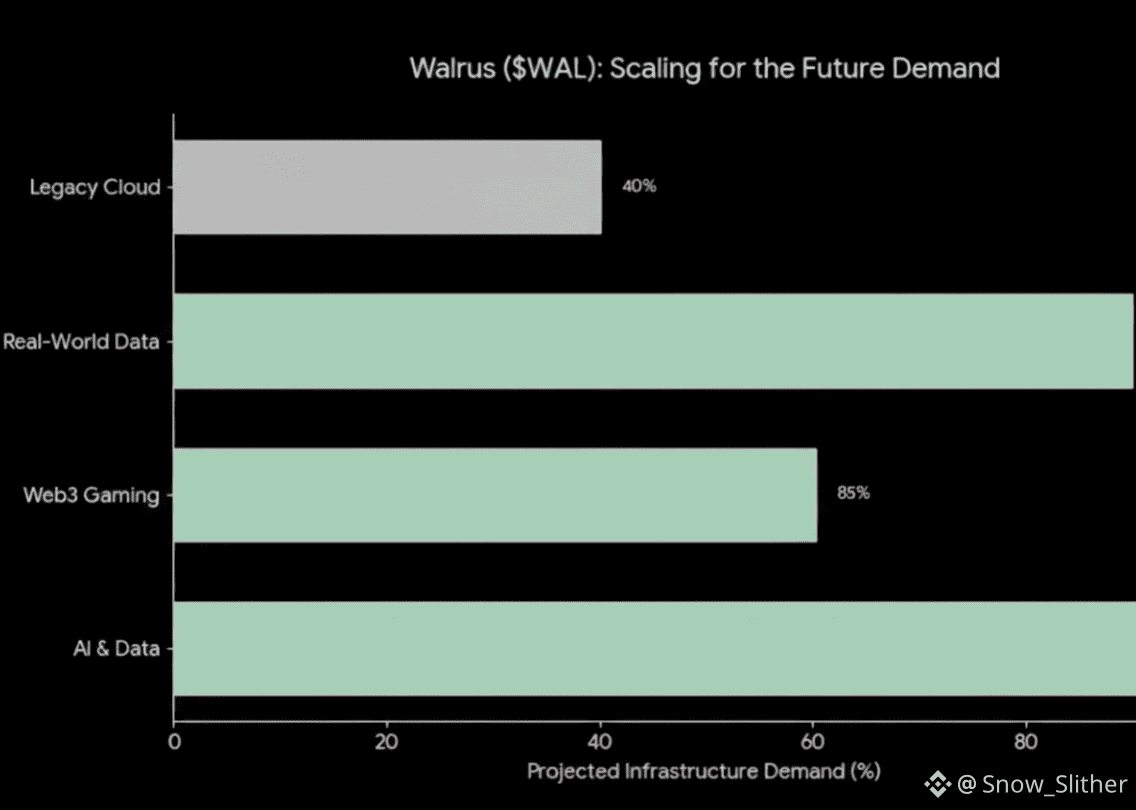
Centralized storage works well when nothing goes wrong. But when it does, the risks show up fast. A single server failure, a policy change, or censorship pressure can make data unavailable. Even cloud providers replicate data, but the control still sits with one authority. Users and developers have to trust that authority to act fairly, stay online, and protect their data.As apps move on-chain and start handling more data, this weakness becomes harder to ignore. Blockchains are decentralized by design, but much of their data storage still depends on centralized systems behind the scenes. That creates a quiet mismatch: decentralized logic running on centralized memory.
 How Walrus Thinks Differently
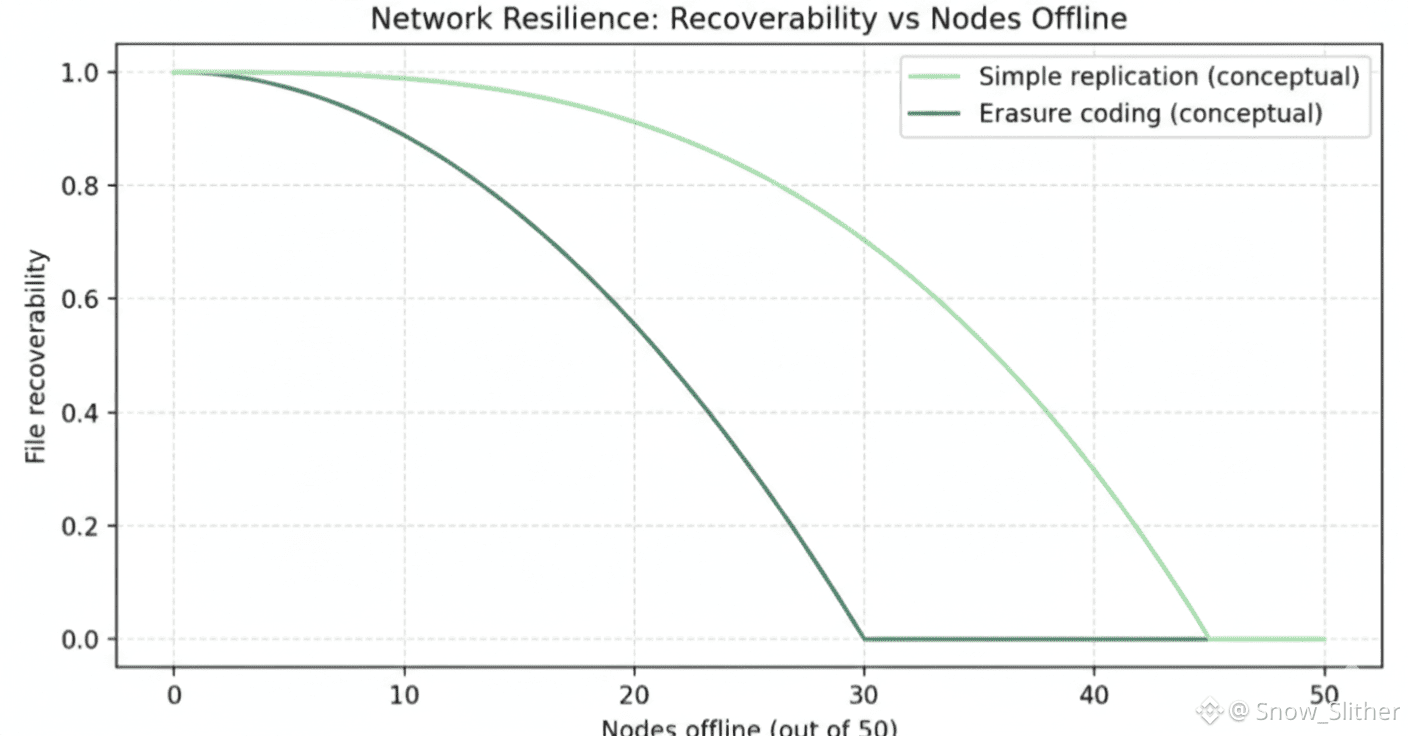
Walrus flips that model. Instead of storing data in one place, it breaks large files into pieces and spreads them across many independent storage providers. This network is permissionless, meaning anyone can participate if they follow the rules. There is no single owner of the data, no central switch to turn off.Because the data is distributed, the system doesn’t rely on every single node being online at the same time. Even if some nodes fail or leave, the data can still be recovered. Availability comes from the network as a whole, not from one strong server.
The lesson here is simple: resilience comes from diversity, not dominance.
 Cost Efficiency Without Cutting Corners
One of the quiet strengths of Walrus is cost efficiency. Traditional systems often rely on full replication, copying the same data over and over to stay safe. That works, but it’s expensive and wasteful. Walrus uses smarter techniques to reduce redundancy while still protecting availability.By spreading encoded pieces of data across the network, Walrus lowers storage costs without sacrificing reliability. This matters more than it sounds. High storage costs limit what developers can build. When storage becomes cheaper and predictable, new kinds of applications become possible.It’s not about being the cheapest at all costs. It’s about being efficient enough to scale without breaking trust.
Why Sui Matters in This Design
Walrus is built to work closely with the Sui blockchain. Sui is designed for high throughput and fast finality, which makes it a strong base for applications that need to handle large amounts of data. Walrus complements this by taking the heavy storage load off-chain while keeping strong links to on-chain logic.The result is a system where developers can build apps that feel smooth and responsive, without pushing blockchains to do what they aren’t meant to do. Computation stays on-chain. Large data lives in a decentralized storage layer designed for it.This separation isn’t a shortcut. It’s a design choice that respects the strengths and limits of each layer.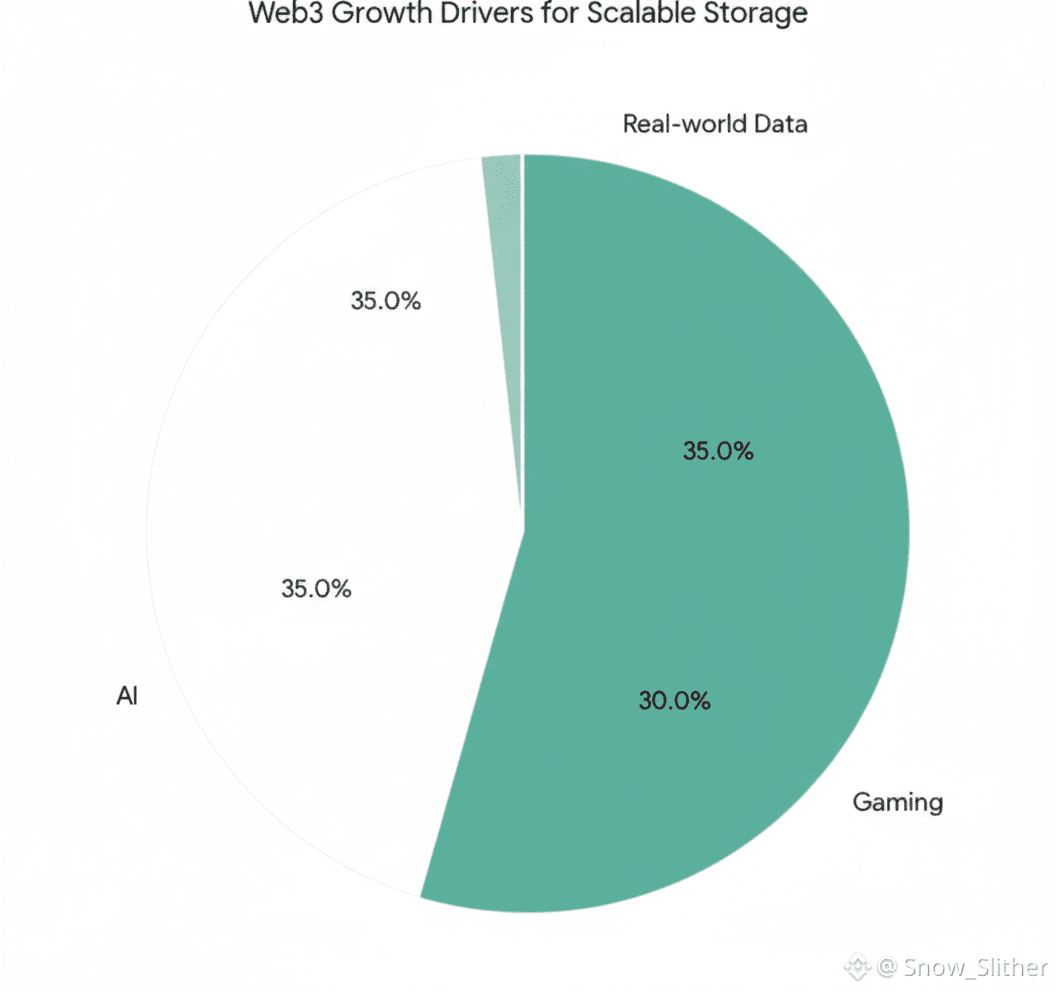
Permissionless Doesn’t Mean Chaotic
“Permissionless” sometimes sounds risky, like anyone can do anything. In Walrus, permissionless means open participation under clear rules. Storage providers are incentivized to behave honestly, because the system is designed to reward reliability and penalize failure.Users don’t need to know who is storing their data. They just need to know the network works. Trust shifts from individual actors to system design. That’s a recurring lesson in decentralized infrastructure: you don’t remove trust, you redesign it.
What This Enables Long Term
Decentralized, cost-efficient storage isn’t exciting in a flashy way. But it’s foundational. Walrus supports dApps that need to store user data, enterprises that care about reliability, and on-chain systems that generate heavy data over time.More importantly, it supports longevity. Data meant to last years shouldn’t depend on short-term incentives or centralized control. Walrus is built for the quiet work of staying available, even when conditions change.
A Small Shift With Big Impact
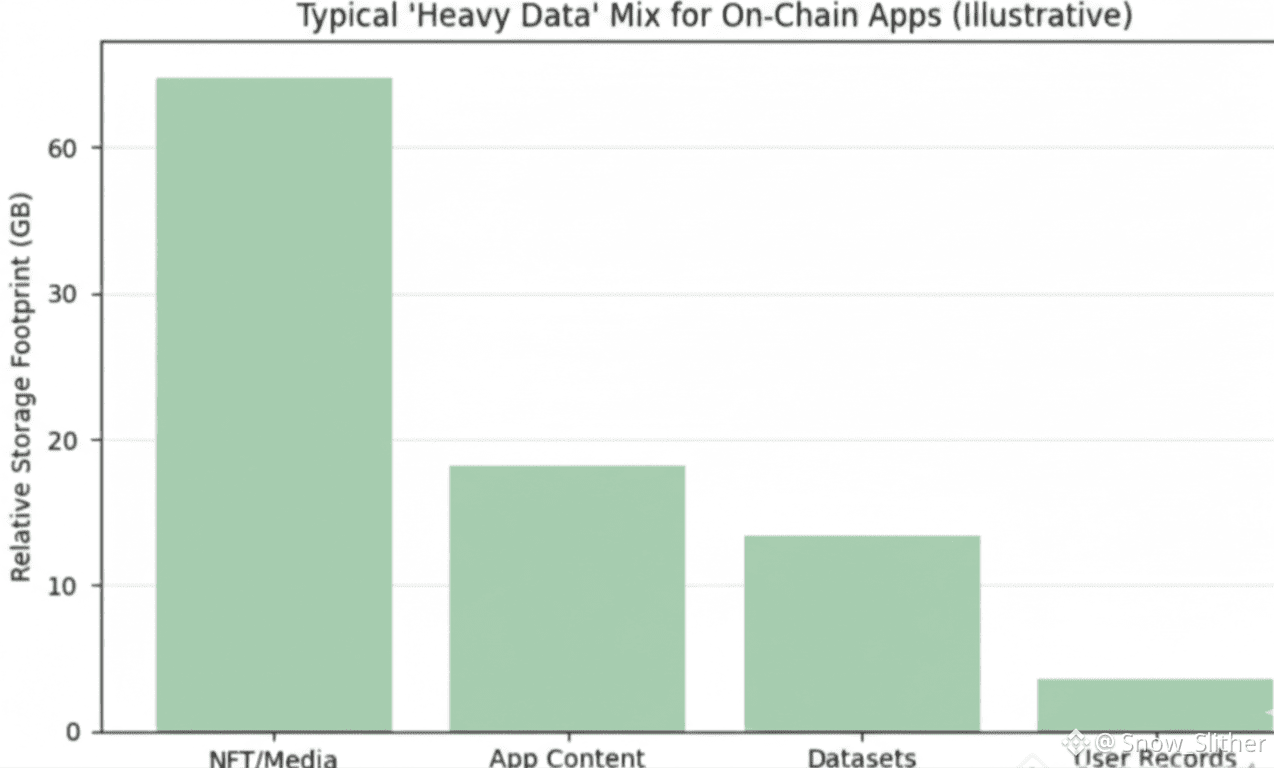 Walrus doesn’t promise magic. It doesn’t claim storage will never fail. Instead, it teaches a quieter lesson: systems last longer when failure is expected and designed around. By distributing data across a permissionless network on Sui, Walrus reduces risk, lowers costs, and strengthens the foundation for decentralized applications.Sometimes progress isn’t about doing more. It’s about removing single points of failure and letting networks do what they do best—share the load. #walrus #Walrus $WAL @Walrus 🦭/acc