

When Incentives Don’t Match, Systems Slowly Break.Most networks don’t fail loudly. They fade. People stop caring, participants cut corners, and responsibility gets blurry. Over time, trust weakens. Walrus seems to start with this quiet lesson: technology alone isn’t enough. If incentives aren’t aligned, even the best systems struggle to survive.This is where the WAL token matters. It aligns incentives through staking and governance, helping the Walrus storage network stay secure, reliable, and worth participating in over the long term.
Why Incentives Matter More Than Promises
In centralized systems, rules are enforced by authority. In decentralized systems, rules are enforced by incentives. You can’t call a support desk or rely on a company policy. You rely on people acting in their own interest, in a way that also benefits the network.When incentives are weak or unclear, problems show up fast. Storage providers might go offline. Validators may stop caring about quality. Users lose confidence because no one seems accountable. Walrus treats this as a design problem, not a moral one.
The idea is simple: if participants have something at stake, they behave differently.
 Staking as a Signal of Commitment
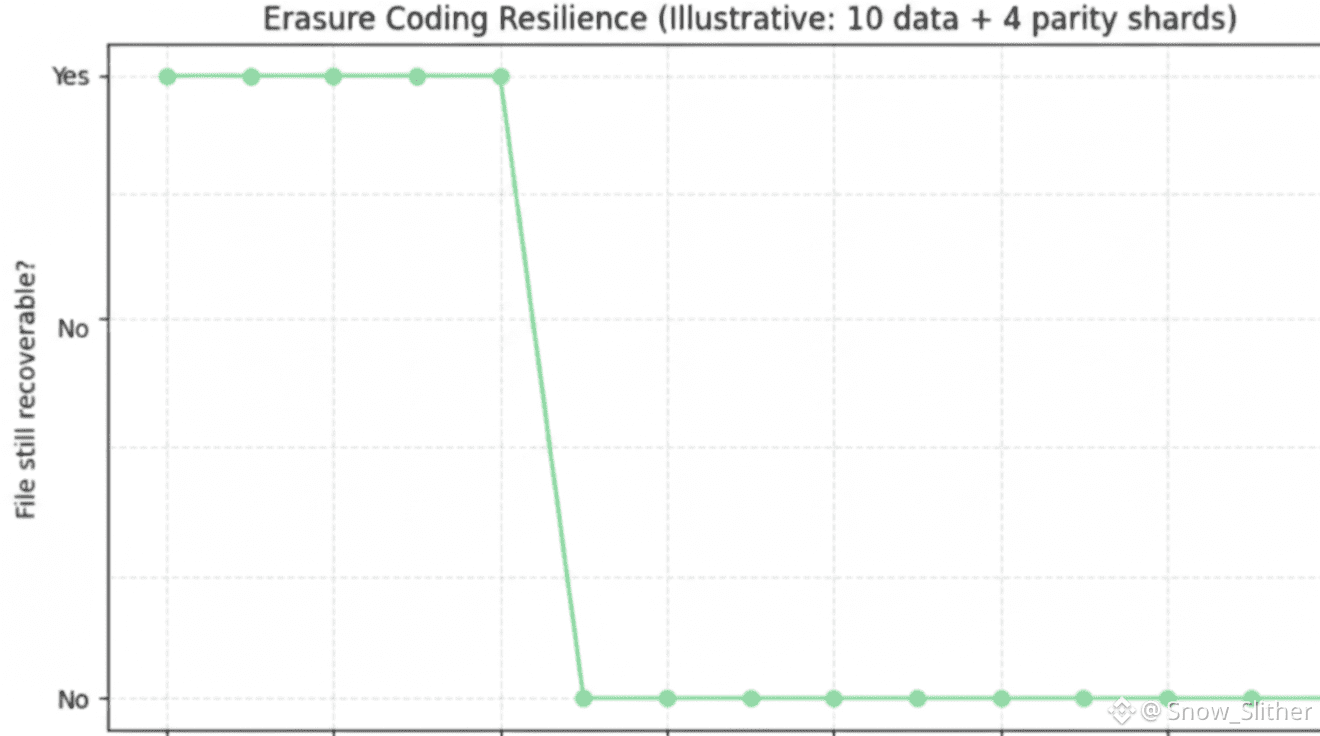
In the Walrus network, storage providers stake WAL tokens. This isn’t just a technical requirement. It’s a signal. By staking WAL, providers show they are committed to the network and willing to take responsibility for their role.If a provider behaves well—stays online, stores data reliably, follows the rules—they are rewarded. If they don’t, they risk losing part of what they’ve staked. This balance turns good behavior into a rational choice, not a favor.
The lesson here is quiet but powerful: responsibility works better when it’s voluntary and backed by real consequences.
Security Without Central Control
Traditional security often depends on gatekeepers. Someone decides who is trusted and who is not. Walrus doesn’t work that way. Security comes from economic alignment rather than centralized approval.Because WAL is required to participate meaningfully in the network, attacking the system becomes expensive. A bad actor would have to risk their own stake to cause harm. Over time, this makes honest participation the easier and more profitable path.It’s not about assuming everyone is good. It’s about designing a system where being good makes sense.
Governance as Shared Ownership
The WAL token also plays a role in governance. Instead of decisions being made by a small group behind closed doors, WAL holders can participate in shaping how the network evolves. This includes changes to rules, parameters, and long-term direction.Governance isn’t about constant voting or loud debates. It’s about shared ownership. When people have a voice, they care more about outcomes. When they care more, they stick around longer.This turns users and providers into stakeholders, not just consumers. The network stops feeling like a service and starts feeling like a shared responsibility.
Reliability Comes From Long-Term Thinking
Storage isn’t a short-term problem. Data needs to be available not just today, but years from now. The WAL token encourages long-term thinking by rewarding sustained participation rather than quick wins.Providers who stay reliable over time benefit more than those chasing short-term rewards. Governance decisions are shaped by people who are invested in the future value of the network, not just immediate gains.The system quietly teaches patience. And patience is rare in fast-moving crypto markets.
Balancing Power Without Freezing Progress
One risk in decentralized governance is stagnation. Too much control can slow innovation. Walrus tries to balance this by keeping governance focused and tied to real economic participation.Holding WAL isn’t enough on its own. Active involvement matters. This reduces the chance that decisions are made by people disconnected from how the network actually operates.
The lesson here is balance. Governance should guide, not smother. Incentives should protect the system, not lock it in place.
 Trust Built Into the System
Users of Walrus don’t need to personally trust storage providers. They trust the system of incentives around them. If a provider fails, the system responds. If rules need adjusting, governance exists to handle that.Trust shifts from individuals to structure. This is one of the hardest but most important ideas in decentralized infrastructure. You don’t remove trust—you redesign where it lives.WAL is the glue that holds this structure together.
Why This Matters Beyond Walrus
The approach Walrus takes with WAL isn’t just about storage. It reflects a broader lesson for decentralized networks. Sustainable systems are built when incentives, security, and governance reinforce each other.Without staking, security is weak. Without governance, adaptation is slow. Without aligned incentives, participation fades. Walrus doesn’t treat these as separate features. It treats them as parts of one design.
A Quiet Foundation for a Reliable Network
The WAL token doesn’t promise excitement. It promises alignment. By tying staking and governance together, it helps the Walrus network stay secure, reliable, and resilient over time.Sometimes the most important systems don’t shout. They work quietly in the background, keeping things stable while everything else changes. WAL is built for that kind of work—the kind that makes decentralized storage last.

