

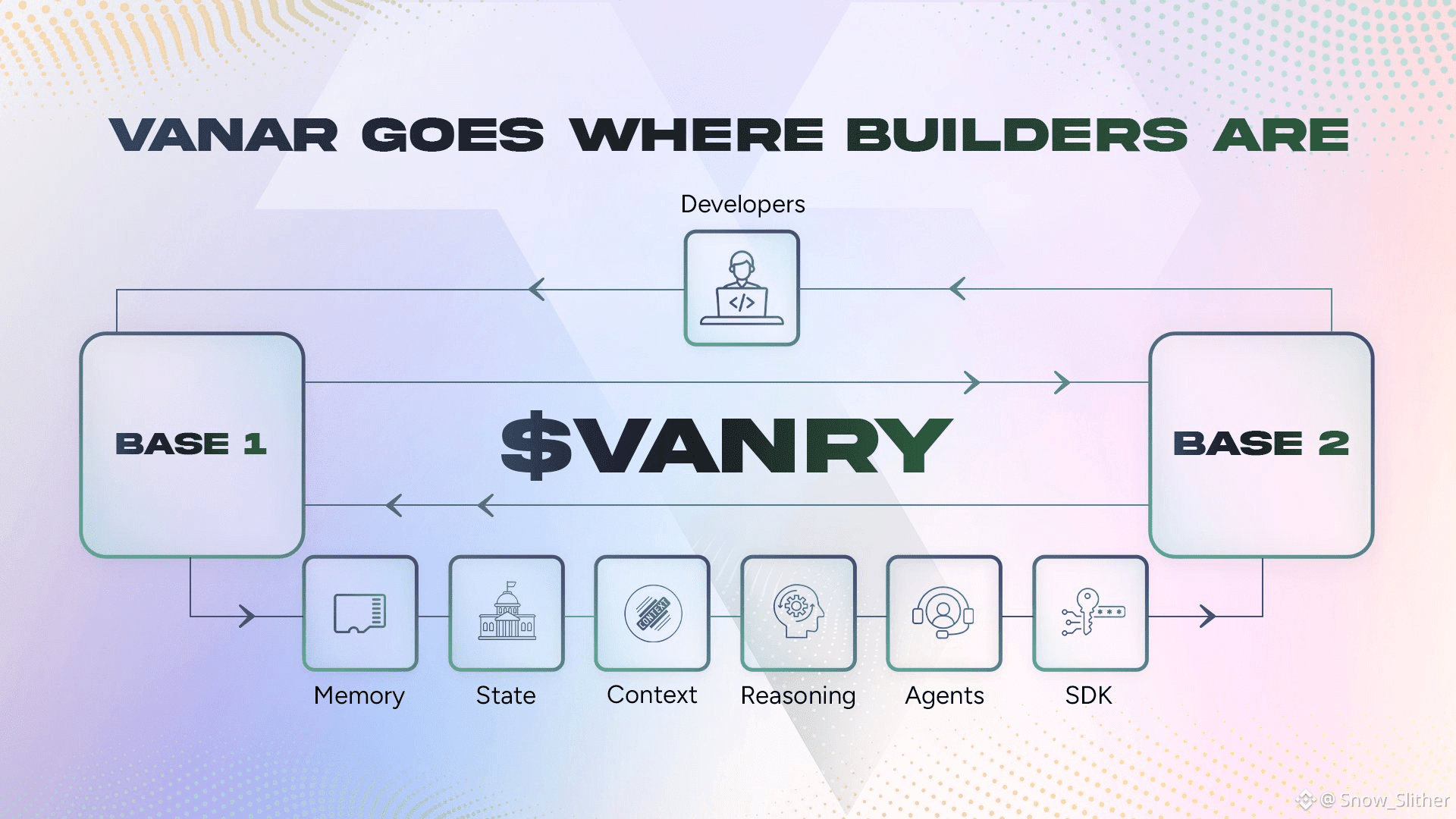
Think of your phone when the internet first came out — slow pages, expensive data, and confusing apps. Now imagine a world where digital tools are fast, cheap, fair, and open to everyone — that’s the promise of Vanar Chain, and Vanry (VANRY) is right at its core.Vanry isn’t just another crypto token floating around. It’s the native utility token that powers the entire Vanar Chain blockchain — enabling people to send payments, claim rewards, help run the network, and even have a say in how things grow. It’s designed for real people, real applications, and real use in the world, especially in areas like gaming, entertainment, and artificial intelligence.
 What Is Vanar Chain?
Vanar Chain is a Layer‑1 blockchain, which means it’s its own foundation — like a digital highway where many apps, games, and services can run without relying on someone else’s system. Vanar started life under a different name, Virtua (TVK), but rebranded to pursue a much broader vision: bringing Web3 experiences into everyday digital life.
This blockchain was built with a few big goals in mind:
Speed: Transactions happen quickly so apps don’t lag.
Low Costs: Fees are super small, so even tiny in‑game purchases make sense.
Environmentally Friendly: It uses energy‑efficient methods and partnerships with green infrastructure.
Real‑World Use: Not just crypto fans — regular people in gaming and entertainment too.
What Does Vanry (VANRY) Do?
Vanry is the engine of this digital highway. Without it, nothing on Vanar Chain runs. Let’s break down its main jobs in simple terms:
1. Powering Transactions
Every time someone sends tokens, buys an in‑game item, or interacts with a smart contract, they use Vanry to pay a small fee. This isn’t because the network wants to charge you; it’s to make sure the system stays fast, fair, and safe. This function is like the gas in a car — without it, the network can’t move. And Vanar keeps gas prices predictable and super low so even microtransactions make sense.
2. Staking for Rewards and Security
Vanry holders can stake their tokens. Staking means you lock up your tokens to help secure the network. In return, you can earn rewards — similar to earning interest on money in a savings account. But it’s not just a passive thing — staking helps the whole system run securely and fairly. Validators (the computers that verify transactions) rely on staked tokens to stay honest, and in exchange, stakers share in the rewards.
3. Future Governance Rights
In most early blockchains, a small group controls decisions — but Vanar aims to change that. Vanry holders are expected to get governance rights, which means they can vote on future upgrades, rules, and projects that shape the network. Think of this like a community meeting — everyone with Vanry gets a voice. The more you’ve invested in the system, the more influence you might have on hard decisions.
Why It’s More Than Just a Token
What makes Vanry interesting isn’t just its list of features — it’s how it fits the real world.
1. Gaming and Entertainment Play Better
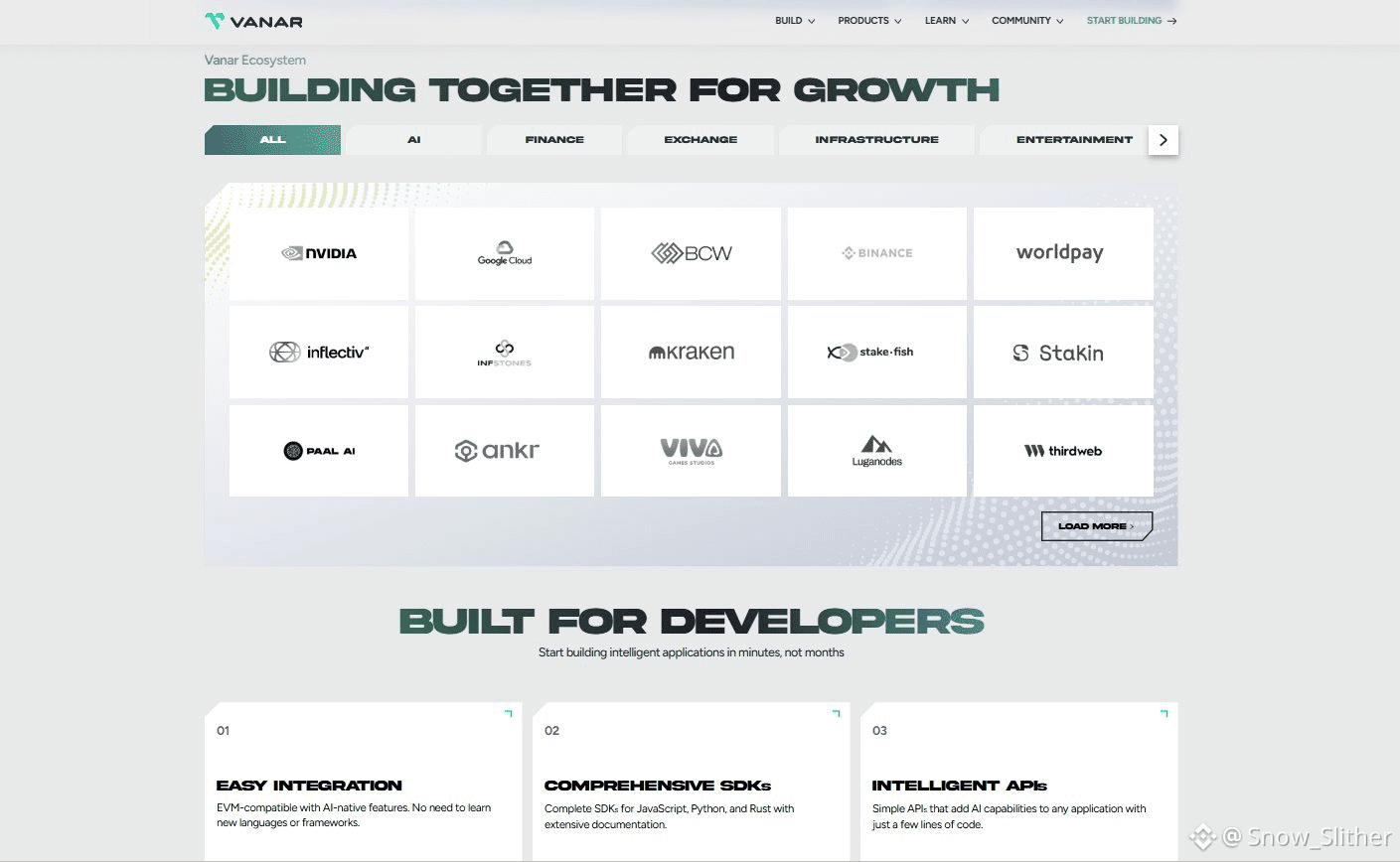
Vanar Chain was designed from the start to support things like in‑game economies and digital assets. That means buying a skin, trading NFTs, or unlocking a bonus level can happen instantly and cheaply — no massive fees, no wait time. For example, if a game wants players to buy or sell items on the blockchain, Vanry makes these small transfers possible without heavy costs or delays. That’s huge because many games are held back by slow networks or expensive fees on other blockchains.
2. AI and Web3 Integration
Vanar Chain goes a step further by integrating artificial intelligence into its core structure — not as an add‑on, but as something that works on‑chain. This means developers could build apps that use AI for real‑time decisions, smart automation, and smarter digital contracts. And yes — using these services will involve Vanry, making the token even more central to real usage, not just speculation.
3. Eco‑Friendly Design
Blockchain often gets criticism for energy waste. Vanar Chain tackles this head‑on by using energy‑efficient consensus mechanisms and partnerships that prioritize green infrastructure. That means the same cool stuff — fast and secure digital services — but with less environmental impact.
Why Vanry Might Matter
Vanry is more than a digital asset — it’s the fuel, incentive, and governance tool that keeps the Vanar Chain ecosystem humming. Whether it’s tiny in‑game purchases, staking rewards for users, or future votes on upgrades, Vanry is designed to make the blockchain practical for everyday use. If blockchain is going to move from niche tech into something millions use every day — from games to AI services — the foundation and incentives need to be built right. Vanry is trying to be that foundation, using low costs, fast processing, community involvement, and real‑world tools to make it all work.
PRICE ANALYSIS
Vanar Chain (VANRY) is currently trading near $0.008, with a market cap of roughly $16–18 million and daily volume around $3.7–$4.5 million. Recent price action shows a -3% to -6% daily pullback, reflecting broader market consolidation rather than project-specific news.From a technical perspective, VANRY rebounded earlier in January from the $0.007–$0.0088 range but failed to sustain momentum after testing resistance at $0.0103–$0.0115. This rejection has created lower highs, indicating cooling momentum and short-term seller control.Key support now lies between $0.007 and $0.009, while overhead resistance remains at $0.0106–$0.0108. Liquidity is relatively thin, meaning price movements can be sharp and are often amplified by broader Bitcoin volatility.On the fundamentals side, Vanar positions itself as an AI-focused Layer-1, targeting gaming, metaverse, and real-world asset use cases. While development and community promotion continue, adoption metrics such as TVL remain low, which is an ongoing risk despite strong narratives.Overall, VANRY remains a high-risk, high-reward asset. A confirmed breakout above key resistance could unlock upside toward $0.02+, while failure to reclaim those levels may result in another support retest. Execution on the AI roadmap and broader market conditions will be critical, making it more suitable for speculative exposure than conservative portfolios.

