
📉 Why $CHESS Coin Pumps & Dumps — Detailed Market Analysis
Introduction
The cryptocurrency market is known for its volatility, and CHESS (often linked with the Merit Circle ecosystem) is no exception. In this post, we’ll explain why CHESS pumps and dumps, what factors influence these price movements, and how traders on Binance and elsewhere can interpret these signals.
🧠 What Is CHESS Coin?
$CHESS is the governance and utility token of Merit Circle, a gaming guild and DAO focused on play‑to‑earn ecosystems. Its price action is influenced by both fundamental project developments and broader crypto market sentiment.
📈 Why CHESS Pumps (Price Rises)
1️⃣ Positive News & Announcements
When the project releases partnerships, ecosystem upgrades, new game integrations, or DAO proposals, buying pressure increases. Traders see this as future potential and accumulate.
2️⃣ Strong On‑Chain Activity
Growing wallet activity, staking participation, or rising transaction volume shows increasing utility. More usage = higher demand = price uptick.
3️⃣ Market Sentiment & Bitcoin Correlation
CHESS often follows broader market trends. When Bitcoin and large altcoins rally, smaller tokens like CHESS also attract capital inflows.
4️⃣ Exchange Listings & Liquidity
Announcements about new exchange listings or increased liquidity pools on Binance/PancakeSwap improves market confidence and can trigger pumps.
5️⃣ Community Hype & Social Media
Crypto moves with sentiment. When influencers, trading communities, or on‑chain analytics show bullish indicators, traders jump in, increasing buy volume rapidly.
📉 Why CHESS Dumps (Price Falls)
1️⃣ Market Corrections
Just like any crypto, CHESS faces downward pressure during market pullbacks. If Bitcoin dips sharply, altcoins often fall harder.
2️⃣ Profit‑Taking
After a big pump, short‑term holders often take profits, triggering sell‑offs. Rapid selling overwhelms buy orders and pushes price down.
3️⃣ Weak Fundamentals or Delays
If expected features, partnerships, or DAO results are delayed or underwhelming, traders lose confidence and sell holdings.
4️⃣ Low Liquidity & Whales
Smaller tokens like CHESS can experience liquidity gaps. Large holders (“whales”) selling big amounts can cause sudden price drops because fewer buyers are available at higher price levels.
5️⃣ Fear, Uncertainty & Doubt (FUD)
Negative news—whether real or speculative—can cause widespread panic selling. Even rumors can impact price.
📊 Technical Factors Affecting Price
🔹 Support & Resistance Levels
Price often reacts at key levels:
Support zones where buyers re‑enter
Resistance zones where sellers dominate
Breaks or rejections at these levels lead to spikes or drops.
🔹 Volume Trends
Price movements without volume are weak. Sustained pumps require high volume; low volume often precedes dumps.
🔹 Moving Averages & Indicators
When price crosses above moving averages, it can signal bullish momentum.
Crosses below can indicate bearish trend continuation.
📌 Trading Tips for CHESS
✔️ Set stop‑loss to reduce risk
✔️ Track on‑chain metrics (wallet growth, staking trends)
✔️ Watch BTC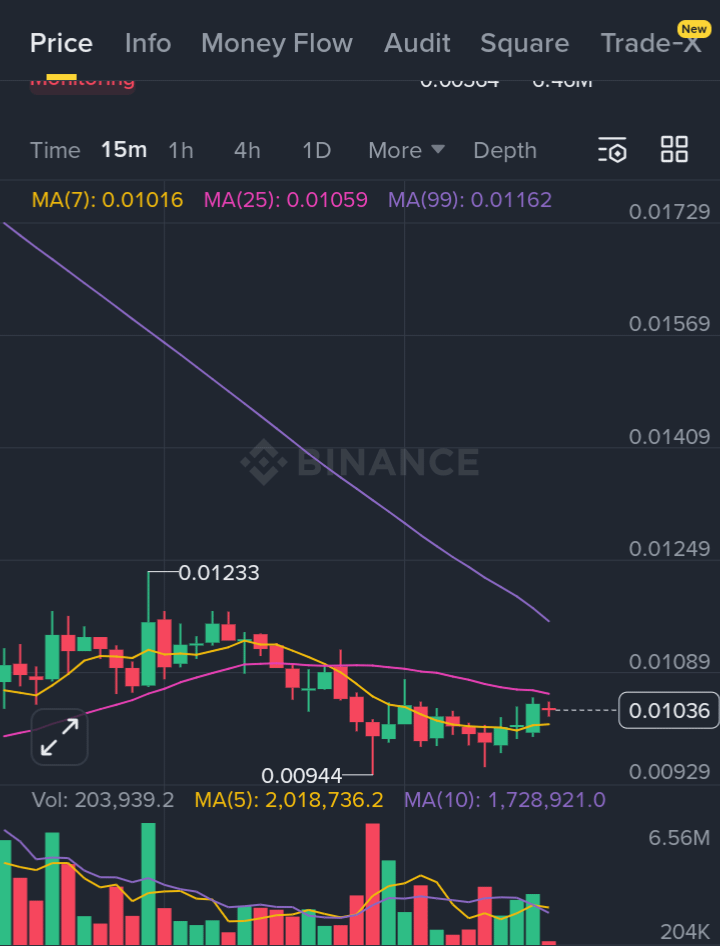 price direction — it often leads altcoins
✔️ Combine technical and fundamental analysis for smarter decisions
🏁 Final Thoughts
CHESS coin pumps and dumps because of a mix of project news, market psychology, liquidity dynamics, and overall crypto trends. Understanding these drivers helps traders make better entry and exit decisions.
