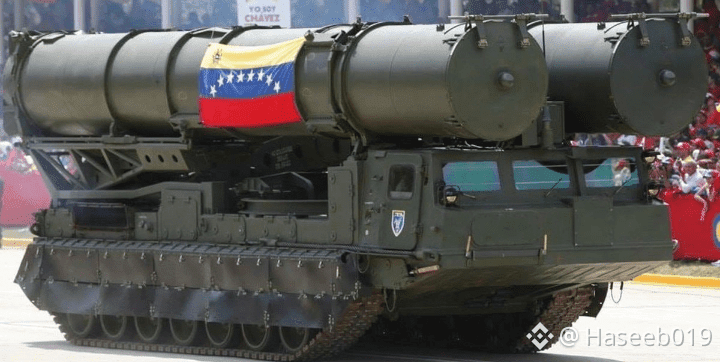
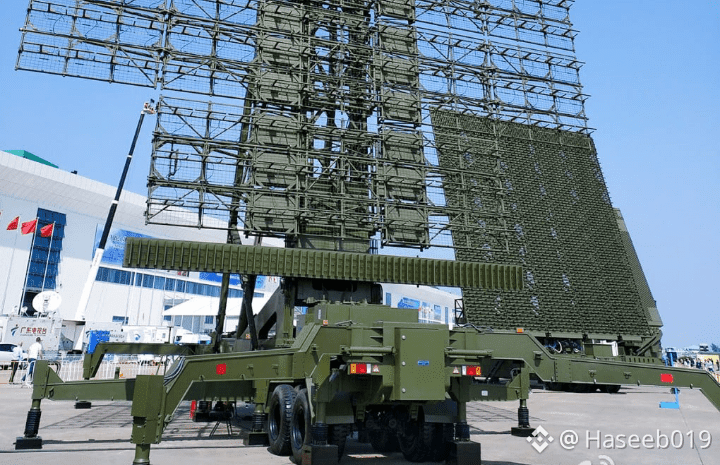
Recent U.S. military operations in Venezuela exposed the collapse of the country’s air defense systems, as Russian supplied radars and missiles failed to intercept or challenge American aircraft during the raid that led to Nicolás Maduro’s capture. Experts report that Venezuelan radar and air defense networks were neutralized by advanced electronic warfare and suppression tactics, leaving the skies uncontested during the assault.
Despite massive air defense arrays including Russian Buk-M2E, S-125, and S-300 systems being deployed historically, the recent operation demonstrated their inability to counter sophisticated U.S. air power and electronic warfare, raising questions about the real combat readiness of Venezuela’s defenses.
Sources indicate that signal-jamming jets like the U.S. Growler were key in disabling Caracas’ radar nodes, preventing coordinated response and making Venezuela’s airspace effectively open during the strikes.
This failure has not gone unnoticed internationally; global military analysts suggest that Venezuela’s air defense impotence undermines regional deterrence, emboldening U.S. strategic options and weakening Caracas’ ability to protect key infrastructure.
With the U.S. deploying significant naval and air assets including aircraft carriers and strike groups into the Caribbean, the region’s air defense dynamics have shifted into a dangerous new era of military dominance and vulnerability.
Bottom line: Venezuela’s air defense is currently ineffective against advanced U.S. forces, signaling a profound imbalance that could trigger rapid escalation if conflicts widen.