
In the icy oceans of the north, the walrus survives where others cannot. Thick skin, powerful tusks, and calm endurance allow it to rest on floating ice for years, unbothered by storms beneath the surface. Walrus Protocol is built on the same philosophy. In a crypto world obsessed with speed and hype, Walrus chooses strength, reliability, and long-term survival. It is not here to sprint—it is here to last.

KoAs blockchain adoption grows, data becomes heavier, more valuable, and more fragile. Walrus Protocol answers a simple but critical question: Where should Web3 store its most important data for the long run? The answer is a decentralized storage network designed to be resilient, verifiable, and economically sustainable—just like the walrus itself.
Why Decentralized Storage Needs a Stronger Backbone
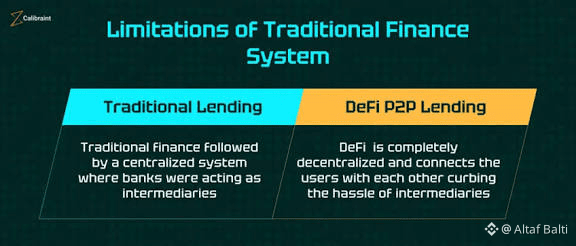
Most blockchains were never designed to store large amounts of data. They are excellent at verifying transactions, but terrible at holding files, media, AI datasets, and application state. Centralized storage solutions are fast, but they create single points of failure, censorship risk, and long-term trust issues.
Walrus Protocol steps in as a dedicated storage layer for Web3. Instead of forcing blockchains to carry heavy data loads, Walrus offloads that weight to a specialized network built for durability. This separation allows blockchains to stay efficient while data remains safe, accessible, and verifiable over time.
The Walrus Metaphor: Strength Over Speed
In crypto, many projects behave like fast fish—quick movements, quick gains, quick disappearances. Walrus Protocol is different. It embraces a philosophy of slow strength. Like a walrus resting on ice, it focuses on stability rather than constant motion.
This design choice matters. Long-term data storage is not about milliseconds. It is about years, even decades. Walrus is engineered to withstand node failures, network churn, and market cycles without losing data integrity. Strength, not speed, is the core advantage.
How Walrus Stores Data Differently

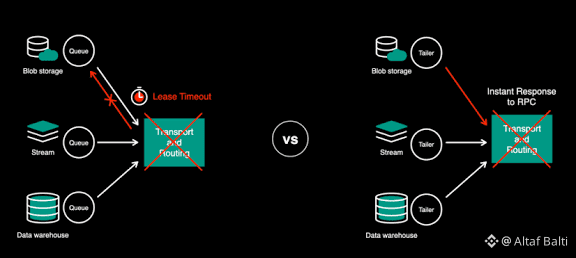
At the heart of Walrus Protocol is a unique approach to storing large binary objects, often called blobs. Instead of replicating entire files across many nodes—which is expensive—Walrus splits data into encoded fragments distributed across the network.
Even if some nodes go offline, the original data can still be reconstructed. This makes storage efficient without sacrificing reliability. The system is asynchronous, meaning uploads and confirmations do not block users or applications. Data flows smoothly, even under heavy load.
Security From Input to Output
Data security is not just about encryption. It is about guaranteeing that what you upload is exactly what can be retrieved later. Walrus Protocol enforces this through cryptographic commitments that bind stored data to verifiable proofs.
From the moment data enters the network to the moment it is retrieved, integrity checks ensure nothing has been altered or lost. This end-to-end security model makes Walrus ideal for applications that cannot afford silent corruption—such as DeFi records, NFT media, AI training data, and governance archives.
Walrus Proofs and Trustless Verification
One of the most powerful ideas behind Walrus Protocol is verifiability without trust. Users do not need to believe that storage providers are honest. They can prove it.
Walrus uses compact cryptographic proofs that allow anyone to verify that data is stored correctly without downloading it. This reduces bandwidth usage while maintaining transparency. It also aligns incentives: storage nodes earn rewards only when they can prove they are doing their job properly.
Economic Incentives That Encourage Long-Term Behavior
A storage network is only as reliable as its incentives. Walrus Protocol is designed to reward consistency, not short-term speculation. Storage providers are economically motivated to remain online, maintain data, and behave honestly over extended periods.
This creates a healthier ecosystem. Instead of chasing temporary rewards, participants build long-term value. For users, this means predictable costs and confidence that their data will not disappear when market conditions change.
Real-World Use Cases Beyond Hype
Walrus Protocol is not built for theory—it is built for real applications. NFT platforms can store high-quality media without relying on centralized servers. DeFi protocols can archive historical data securely. AI projects can store large datasets without compromising decentralization.
Governance systems, social platforms, and gaming ecosystems all benefit from storage that is permanent, verifiable, and censorship-resistant. Walrus quietly becomes the foundation beneath these applications, doing its job without demanding attention.
Built for Builders, Not Just Speculators
Developers are often ignored in flashy crypto narratives. Walrus Protocol puts them first. Its architecture is modular, flexible, and designed to integrate easily with existing blockchain systems.
By abstracting away storage complexity, Walrus allows builders to focus on user experience and innovation. This developer-friendly approach increases adoption organically—through usefulness, not marketing noise.
The Future Outlook: A Quiet Giant of Web3 Infrastructure
The strongest animals in nature do not chase every movement—they endure. Walrus Protocol follows the same path. As Web3 matures, the need for reliable, long-term data storage will only grow. Hype will fade, but infrastructure will remain.
Walrus is positioning itself as that lasting foundation. A protocol that survives market winters, supports real applications, and protects the digital memory of decentralized systems. Like the walrus on the ice, it may move slowly—but it is almost impossible to knock over.

