
Walrus doesn’t assume a friendly network. It assumes some nodes will fail, cheat, or actively try to break the system — and it’s built accordingly.
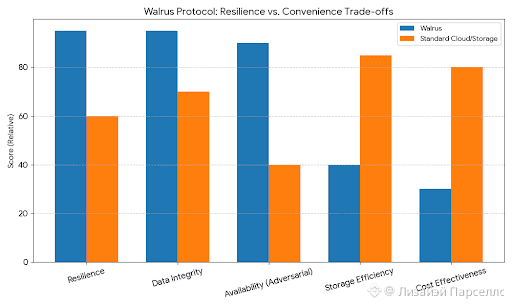
Through Byzantine-resistant erasure coding, @Walrus 🦭/acc can recover data even when large portions of the network are compromised. This is resilience designed for adversarial environments, not ideal conditions.
The downside is clear: more storage overhead and higher costs. You’re essentially paying insurance for threats you may never face. There’s also the reality that Byzantine behavior at scale is difficult to fully test until it actually happens.
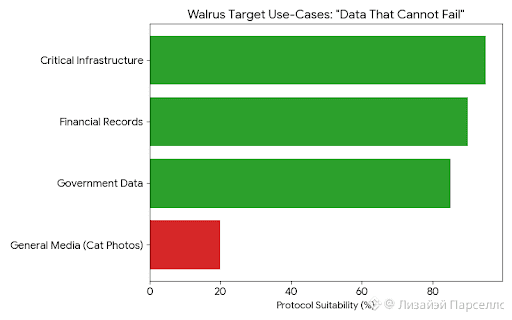
But for applications where data integrity and availability matter more than efficiency, this trade-off is intentional. Walrus isn’t optimized for cat photos — it’s optimized for data that cannot fail.