

As the crypto market continues to mature, success increasingly depends not on constant trading, but on using the right tools with clarity and purpose. In 2026, Binance remains one of the most comprehensive ecosystems in the digital asset space, offering a wide range of tools designed to support beginners and experienced users alike. For newcomers, navigating this ecosystem can feel overwhelming. However, understanding how each tool fits into a broader strategy can significantly improve confidence, efficiency, and risk management.
This guide highlights ten essential Binance tools that every beginner should understand, explaining how each serves a specific role in a modern crypto journey.
1. Binance Convert - Simple and Instant Swaps
Binance Convert is one of the easiest entry points for new users. It allows instant conversion between cryptocurrencies and fiat without using order books or charts. Users simply select the asset they want to exchange and confirm the transaction at a quoted rate.
This tool is ideal for beginners who want simplicity and speed without worrying about market mechanics. Convert is particularly useful for quick portfolio adjustments or moving between assets during volatile periods. More details are available at [Link].

2. Spot Trading - The Foundation of Crypto Investing
Spot trading remains the core of most crypto strategies. On Binance Spot, users buy and sell cryptocurrencies at real-time market prices. While it may seem complex initially, spot trading offers transparency and direct ownership of assets.
For beginners, focusing on a small number of major trading pairs and using basic order types can reduce complexity. Spot market access and live data are available at [Link].
3. Binance Earn - Passive Income Opportunities
Not all crypto participation requires active trading. Binance Earn allows users to generate passive returns by staking, saving, or lending their assets. Products range from flexible options with instant access to locked products offering higher yields.
This tool suits users who prefer long-term holding or want to earn while waiting for market opportunities. Binance Earn helps beginners understand that crypto can be used for income generation, not just speculation. Learn more at [Link].
4. Trading Bots - Automation Without Complexity
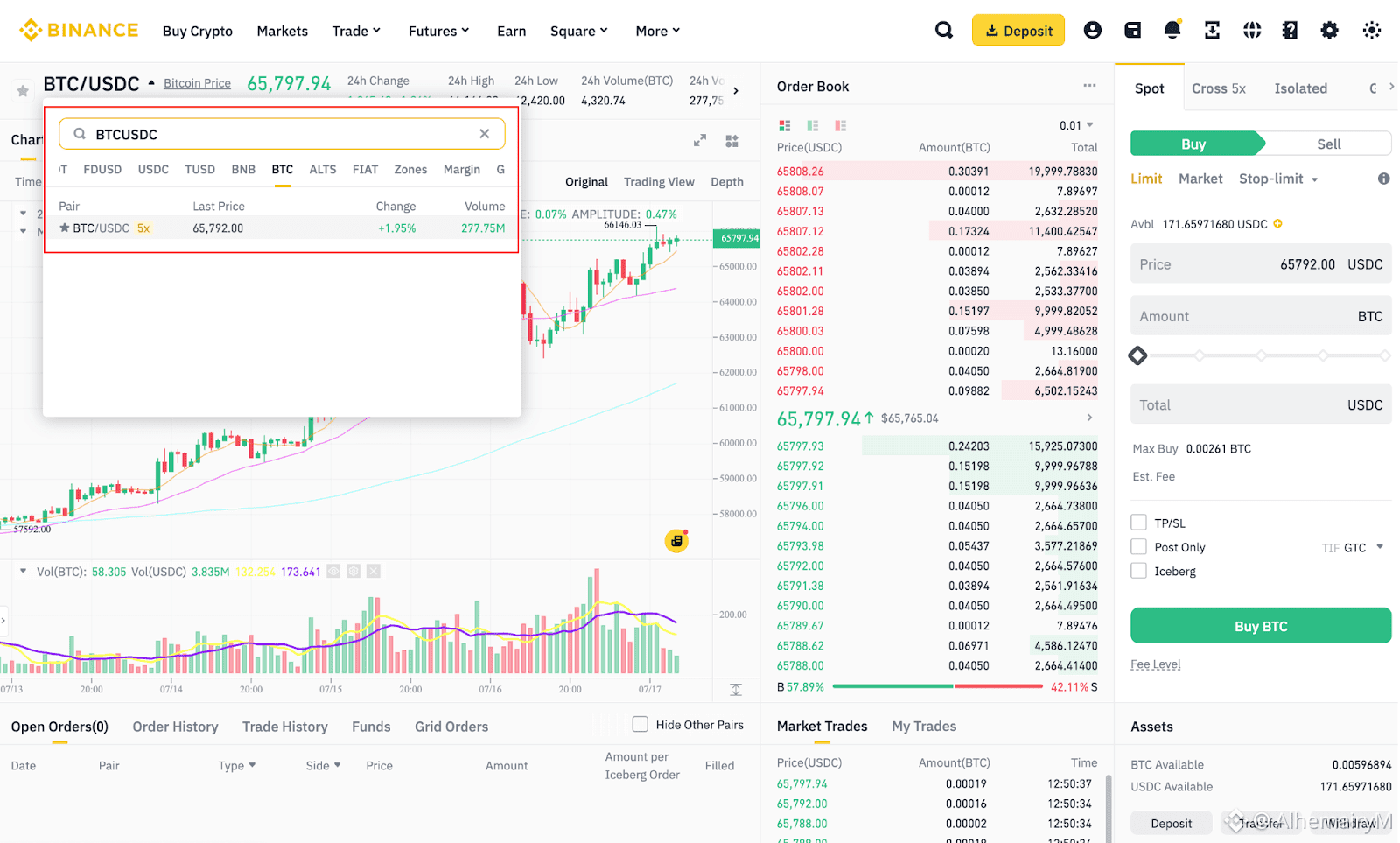
Trading Bots on Binance help automate strategies such as grid trading or rebalancing. These bots operate based on predefined parameters, reducing emotional decision-making and constant monitoring.
For beginners, bots offer a structured way to engage with the market without executing frequent manual trades. While not risk-free, they introduce the concept of disciplined execution. Bot features are explained at [Link].
5. Copy Trading - Learn by Following Experienced Traders
Copy Trading allows users to automatically replicate the trades of more experienced participants. This tool is particularly useful for beginners who want exposure to active strategies while observing how professionals manage risk and timing.
It is important to choose traders carefully and understand that past performance does not guarantee future results. Copy Trading information is available at [Link].
6. Binance Academy - Education Before Action
Education is one of the most undervalued tools in crypto. Binance Academy provides free educational content covering blockchain fundamentals, trading concepts, security, and market behavior.
For beginners, Academy content helps build foundational knowledge and reduces reliance on social media speculation. Structured learning resources can be accessed at [Link].
7. Fiat On-Ramp – Entering Crypto Seamlessly
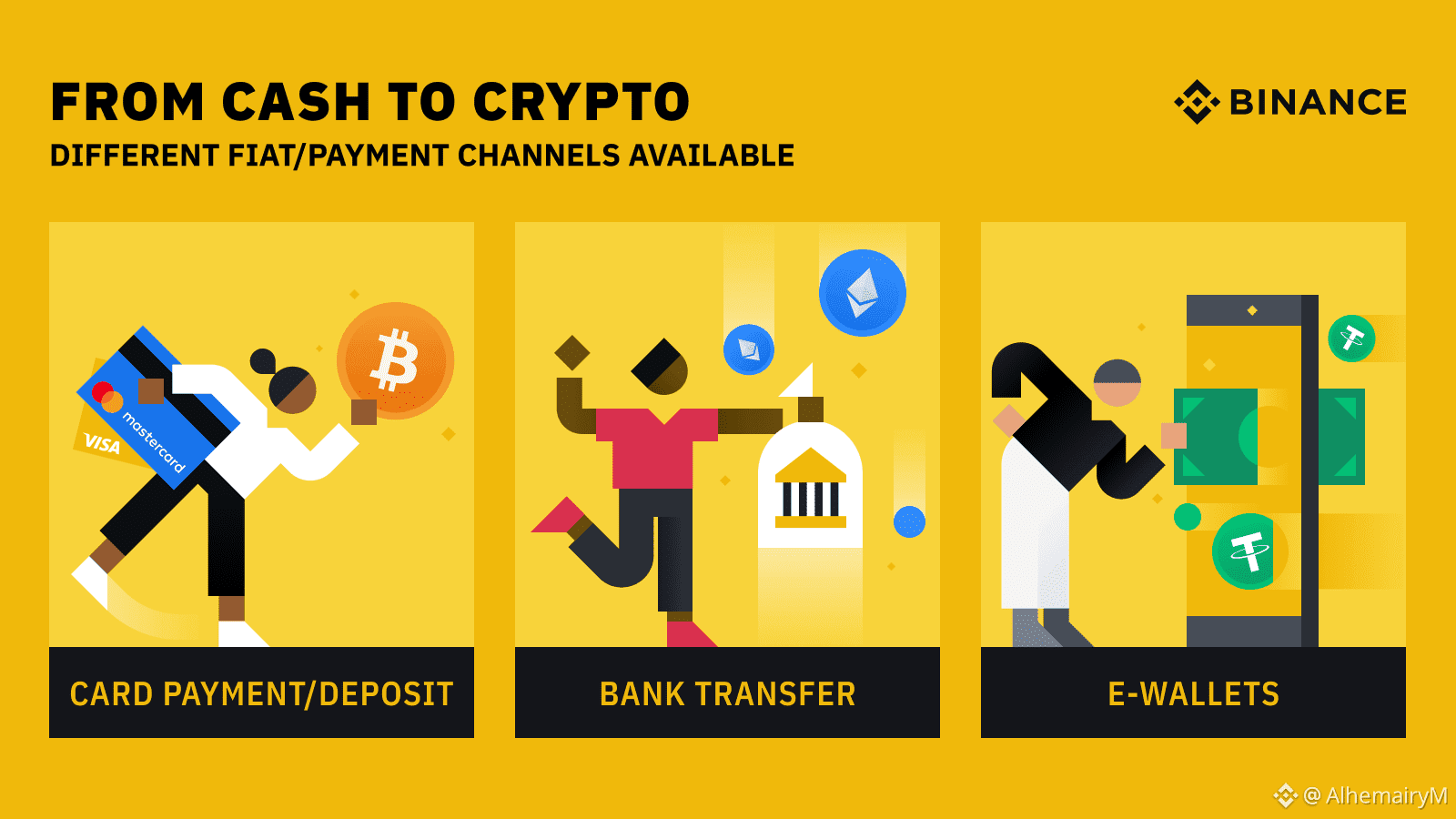
Fiat on-ramps allow users to buy crypto using traditional payment methods such as bank transfers or cards. Binance supports multiple fiat gateways, making it easier for users to enter the market without third-party platforms.
This accessibility lowers barriers for new users and supports global adoption. Fiat services are available at [Link].
8. P2P Trading – Flexible and Localized Access
Binance P2P enables users to buy and sell crypto directly with other users using local payment methods. This tool is particularly useful in regions with limited banking access or currency constraints.
For beginners, P2P offers flexibility and often competitive rates, provided transactions follow platform safeguards. P2P trading is available at [Link].
9. Binance Wallet – Gateway to Web3
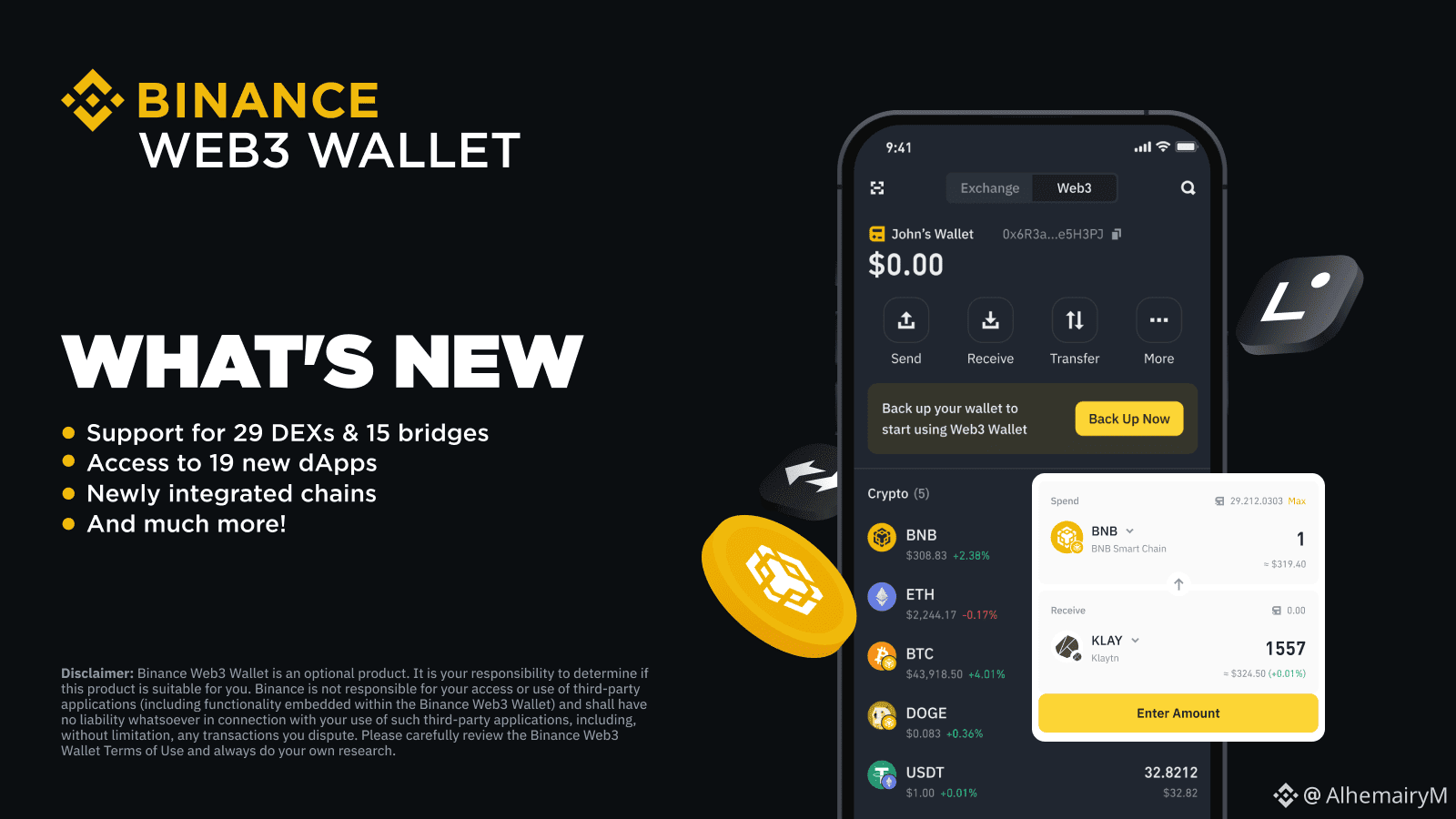
Binance Wallet provides access to decentralized applications, NFTs, and Web3 services. It allows users to interact with blockchain ecosystems beyond centralized exchanges while maintaining integration with their Binance account.
This tool introduces beginners to the broader Web3 landscape in a controlled and user-friendly way. Wallet features can be explored at [Link].
10. Binance Pay - Everyday Crypto Use
Binance Pay enables crypto payments for goods and services without transaction fees. It supports peer-to-peer transfers and merchant payments, demonstrating real-world utility beyond trading.
For beginners, Binance Pay highlights how crypto can function as a payment method, not just an investment asset. More information is available at [Link].
Conclusion: Tools Enable Strategy, Not the Other Way Around
In 2026, successful crypto participation is less about doing everything and more about using the right tools for the right purpose. Binance’s ecosystem offers beginners a structured path from learning and onboarding to earning, trading, and real-world use. By understanding how each tool supports a specific need, users can build confidence, reduce mistakes, and engage with crypto in a more sustainable way.
Rather than rushing into action, beginners benefit most from education, simplicity, and consistency. Tools are powerful, but only when used with clarity and discipline.


Disclaimer: This article is for educational and informational purposes only and does not constitute financial, investment, or trading advice. Cryptocurrency markets are volatile, and readers should conduct their own research and consult with qualified financial professionals before making any investment decisions.
Written by: Dr. Moh’d al Hemairy @AlhemairyM