
Operating a Dusk node is not simple as you think — especially a Provisioner — is not lika a “set it and forget it forever” task. It is an ongoing responsibility that directly affects network security and it's important, your stakes, and your rewards also take a part of it . Because Provisioners are participate in consensus in many cases not just in one , ZK proof generation is also linked with it, poor maintenance or weak security practices can lead to downtime it will slashing the risk, or even permanent loss of funds which is the most bad thing it will less the trust also.
This article breaks down how to properly maintain, monitor, and secure a Dusk node yes not I tell you with my own I tell you like dusk website tell, and more importantly, why each step matters you should follow all properly .
1. Dedicated Infrastructure: Reducing the Attack Surface
The first principle of secure node operation is isolation don't make it openly.
Running a Dusk Provisioner on a dedicated server or VPS with only essential services drastically reduces risk. Every extra service — web servers, databases, mail clients — increases the attack surface.If any unrelated service is compromised, your node becomes vulnerable by association.Example:
A node operator installs monitoring software that exposes a web dashboard on an open port. That dashboard contains a vulnerability. An attacker gains shell access and waits silently.
Minimal systems fail less and are easier to audit.
2. Recommended Architecture: Provisioner + Local Prover
Dusk’s architecture allows flexibility, and the recommended setup is intentional:
Provisioner node on a VPS or dedicated server
Prover running locally on your personal machine or laptop
This separation achieves two goals:
1. Consensus efficiency:
The Provisioner uses all server resources for consensus duties without competing with heavy ZK computations
2. Privacy maximization:
ZK proofs for privacy-preserving transactions are generated locally, meaning sensitive transaction data never leaves your personal environment.
Why this matters:
Even if your server IP is scanned or attacked, your private transaction activity remains isolated. You reduce exposure while improving performance.
3. Maintenance: Keeping Your Node Healthy Over Time
Maintenance on Dusk isn’t just about updates — it’s about consistency.
Key maintenance tasks include:
Keeping the OS updated (security patches)
Monitoring disk usage (logs can grow silently)
Ensuring time synchronization (NTP)
Restarting services safely after updates
Verifying node sync status regularly
Example:
If disk space fills due to unchecked logs, your node may stop writing state data. The node appears “online” but stops participating correctly. Over time, this can lead to missed consensus rounds and loss of rewards.
A simple weekly maintenance checklist prevents this entirely.
4. Monitoring & Alerting: Preventing Slashing Before It Happens
Monitoring is not optional for Provisioners — it is a risk control mechanism.
Effective monitoring ensures:
Your node is online
It is synced to the correct block height
Consensus participation is active
Resource usage stays within safe thresholds
What to monitor:
Block height vs explorer
CPU and RAM usage
Network latency and dropped connections
Service uptime
Log error frequency
Alerts matter more than dashboards
Dashboards tell you what happened. Alerts tell you what is happening now.
Example:
Your VPS provider experiences partial network routing issues at 3 a.m. Without alerts, your node misses several consensus rounds. With alerts, you can quickly restart services, switch routes, or intervene before penalties occur.
Monitoring directly protects your stake.
5. Key Management: Limiting Damage by Design
Dusk allows key separation, and using it correctly is one of the most powerful security features available.
Best practice:
Consensus key:
Only signs blocks and votes
Owner key:
Handles staking, unstaking, withdrawals, and transfers
This separation ensures that even if the consensus environment is compromised, funds remain protected.
Example:
An attacker gains access to the Provisioner server. They can potentially disrupt consensus operations — but they cannot unstake or withdraw funds without the owner key like their all work is useless for them, which should never reside on that server.
Security is not about preventing every breach — it’s about limiting blast radius.
6. Sentry Nodes: Defense Against DoS Attacks
Provisioners are visible network participants, which makes them targets for Denial-of-Service (DoS) attacks.
A sentry node architecture hides your Provisioner behind trusted intermediaries:
The Provisioner connects only to sentry nodes
Sentry nodes handle public peer connections
Attack traffic is absorbed before reaching the validato
This mirrors architectures used by major proof-of-stake networks.
Why it works:
Attackers hit the sentry layer, not the core consensus node. Even if a sentry is overwhelmed, the Provisioner stays online.
Load-balancing across multiple sentries further reduces risk, ensuring no single node becomes a choke point.
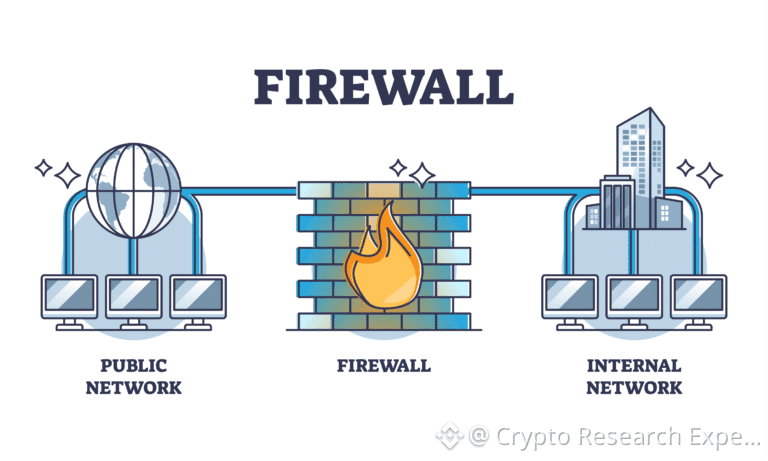
7. Firewalls: Enforcing Network Discipline not anyone can enter your personal data
A firewall enforces the principle which will safe you at the network level.
Firewall help you to do:
Block all ports by default
Open only required ports
Allow traffic only from trusted sentry IPs
Deny all other inbound connections
Firewalls are silent protectors — when configured correctly, you never notice them
8. SSH Keys: The Right Way to Access Your Node
Passwords are weak. SSH keys are not.
Using SSH key authentication with strong passphrases to ensures it give you benefit like :
No password exposure
Protection against brute-force attacks
Secure authentication even on compromised networks
A 4096-bit SSH key with a passphrase is exponentially more secure than any passwords to use this is more beneficial.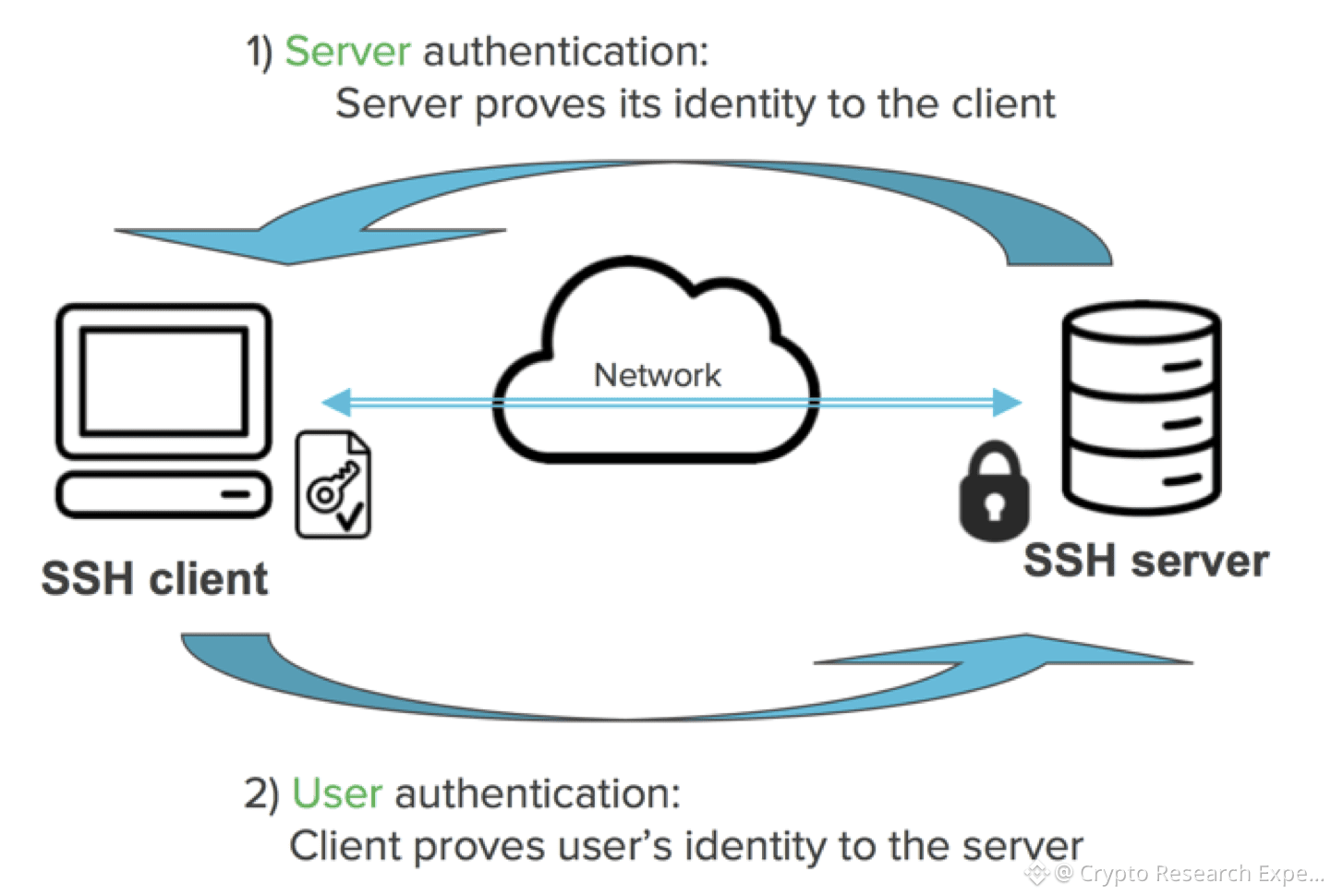
Critical rule:
Back up your SSH keys securely. Losing them can lock you out permanently yes it's for safety but it also dangerous for you if forgot.
Final Thoughts: Professional Operations for a Professional Network
Running a Dusk node is closer to operating financial infrastructure than running a hobby server. Maintenance, monitoring, and security are not overhead — they are part of the job.
By isolating services, separating keys, monitoring actively, and hardening network access, operators protect:
In regulated on-chain finance, reliability is trust — and trust is built at the node level.#Dusk @Dusk $DUSK
