
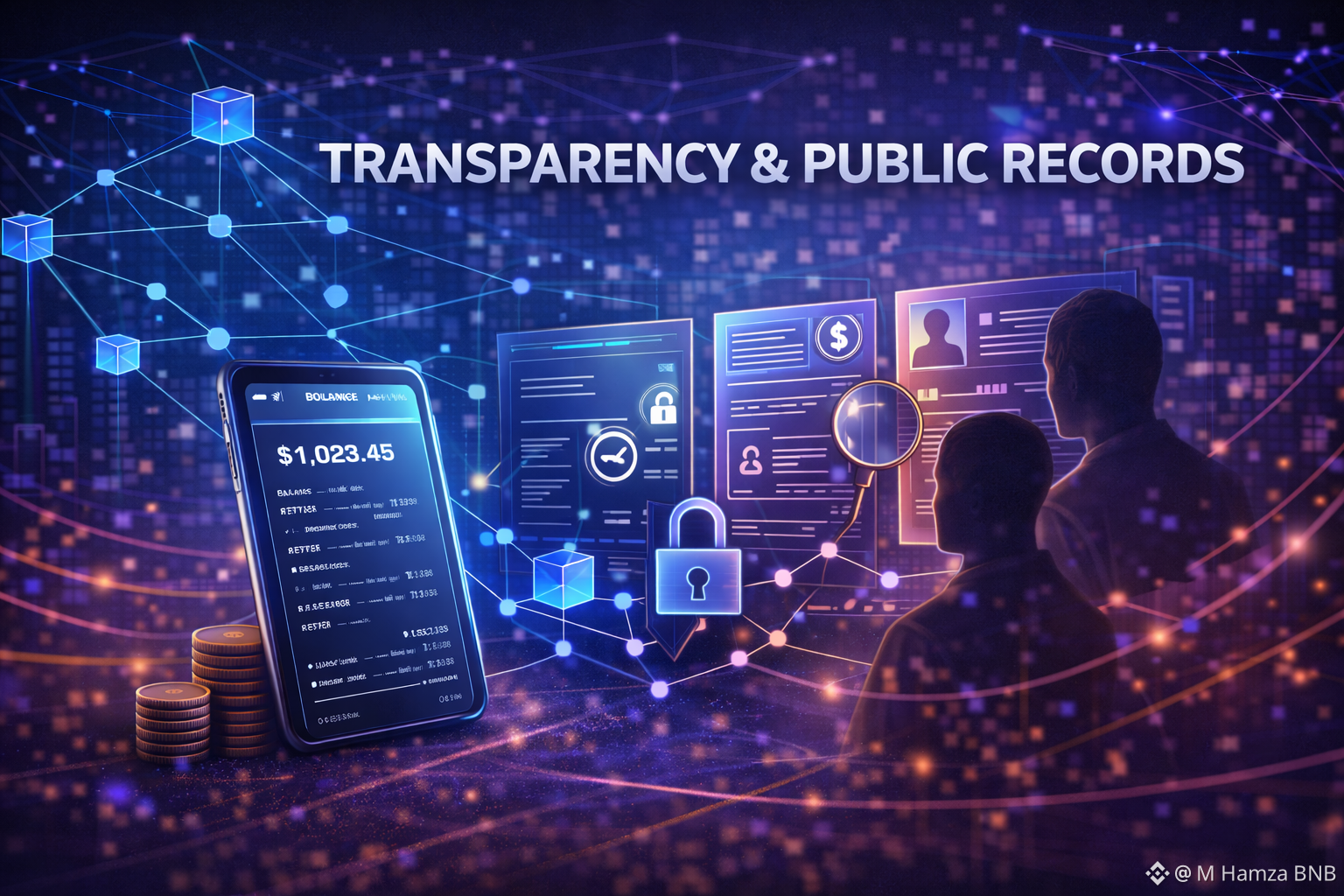
When people hear the word “blockchain,” they often think about transparency and public records. While transparency can be useful, it can also raise concerns for everyday users who value privacy and personal security.
On many public blockchains, wallet activity, transaction history, and balances are visible to anyone. This means strangers can track financial behavior, even if they do not know the real identity behind a wallet. For regular users, this level of exposure can feel uncomfortable and risky.
Privacy-first blockchains like Dusk take a different approach. Instead of making all data public by default, Dusk allows users to keep sensitive information private while still benefiting from blockchain technology. Transactions can be verified without revealing unnecessary details.
For everyday users, this means better protection of personal financial activity. Payments, asset transfers, and interactions with decentralized applications can happen without exposing full histories to the public. Privacy helps users feel safer when using blockchain services.
Another important benefit is control. Privacy-focused systems give users more authority over what information they share and with whom. This aligns better with how people already expect digital systems to work in daily life.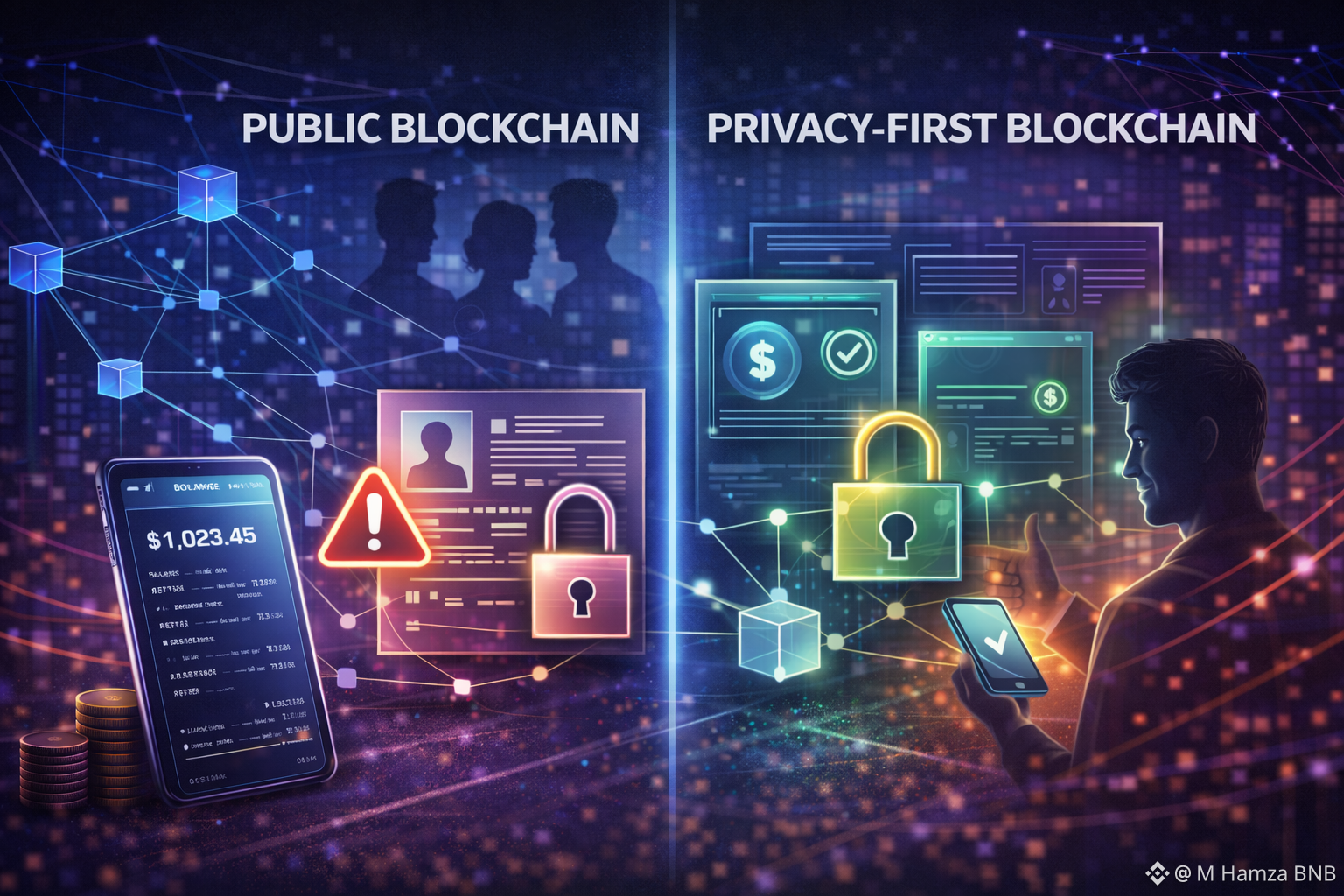
As blockchain adoption grows beyond early adopters, privacy becomes essential for user trust. Platforms that respect personal data and provide secure experiences are more likely to attract long-term users. Dusk supports this shift by putting user privacy at the center of its design.
In simple terms, privacy-first blockchains make Web3 more comfortable and accessible for everyday people.
