How Trump’s Tariff Announcements Rattle Crypto Markets
The U.S. tariff regime under Donald Trump — including steep levies on imports from key trading partners — has become a recurring macro catalyst for crypto price volatility.
Direct Price Reactions
Bitcoin and major altcoins have experienced sharp sell-offs following tariff news, at times dragging prices down by 5–10% or more within days. Reactive selling tends to hit crypto harder than traditional assets due to its “risk-on” profile and lower liquidity during stress periods.
Liquidations of leveraged positions have wiped out billions in crypto exposure during some tariff announcements, intensifying short-term movements.
For example:
A 100% tariff proposal triggered one of the biggest wave of forced sales in crypto history.
Bitcoin faced pressure around $90K resistance amid tariff uncertainty.
Supreme Court delays on tariff rulings have triggered rally episodes, underscoring how policy timing feeds directly into crypto sentiment.
Why Tariffs Matter for Crypto Prices
Tariffs do not directly change blockchain fundamentals, but they influence the macro backdrop in several ways:
1) Economic Uncertainty & Risk Aversion
Tariffs generally signal rising trade tensions and possible economic slowdown. Risk assets like cryptocurrencies are often the first to feel the downside:
Investors shift capital to safer assets (USD, Treasuries, gold).
Crypto’s correlation with broader markets strengthens during periods of macro stress.
2) Liquidity and Money Flows
Tariffs can contribute to:
Lower economic growth expectations.
Tighter liquidity, which reduces speculative demand for high-beta assets like crypto.
This dynamic often manifests as price pressure even if the long-term adoption narrative remains intact.
3) Mining and Infrastructure Costs
Tariffs on tech components and chip imports raise costs for hardware and mining operations. Higher operating costs can reduce profitability and network hash-rate growth in certain regions.
4) Psychological & Sentiment Effects
Tariff news tends to:
Increase volatility.
Dampen investor confidence.
Trigger reflexive selling — where traders exit positions anticipating economic stress.
Macro Linkages: Crypto Isn’t Isolated
Though native to decentralization, crypto markets are increasingly intertwined with global macro:
Correlation with Traditional Markets
During tariff news:
Equities often slump.
Bitcoin and altcoins push lower alongside stocks, bonds, and risk assets.
This undermines the purely “uncorrelated store of value” thesis in the short term, especially when broader risk sentiment deteriorates.
⚖️ Policy Dualism: Pro-Crypto Rhetoric vs Trade Stress
Trump’s administration has sometimes mixed pro-crypto regulatory signals with aggressive trade tariffs — creating an asymmetric market reaction:
Positive regulatory pushes can bolster sentiment.
Trade shocks tend to overwhelm bullish narratives by elevating overall risk aversion.
The result? Crypto becomes a hybrid macro asset — sensitive to both blockchain-specific drivers and traditional economic conditions.
🧩 Case Studies from Markets
🔹 Tariff Announcements → Sharp Sell-offs
Crypto markets have seen dramatic downturns after tariff escalations:
Millions of dollars in liquidations.
Altcoins stagnating or crashing more than Bitcoin.
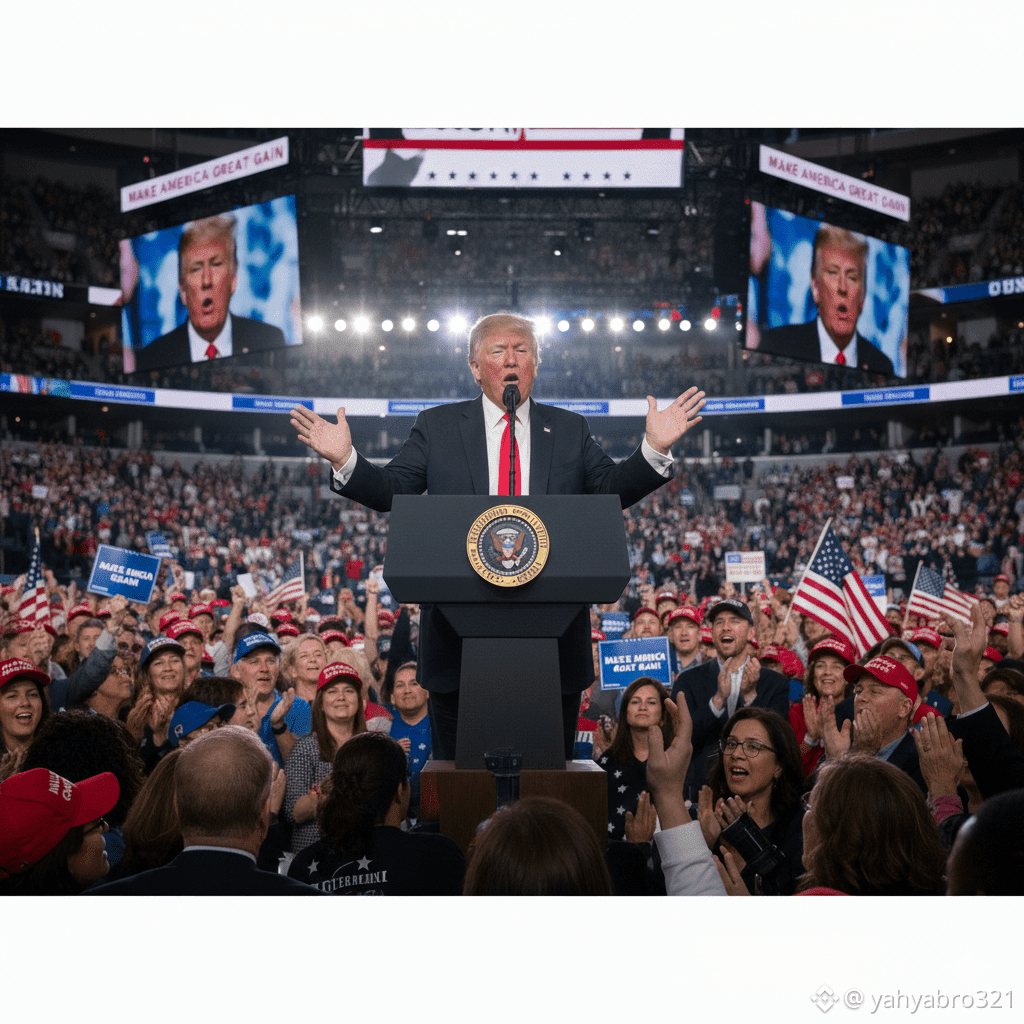
🔹 Tariff Pauses → Temporary Relief
Tariff pauses or delays sometimes spark relief rallies:
Bitcoin and Ethereum rising as fear eases.
Risk sentiment improves, even if briefly.
This emphasizes that crypto’s reaction is often sentiment-driven rather than fundamentally linked to trade flows.
What This Means for Binance Square & Crypto Investors
Short-Term Strategies
Stay alert to tariff headlines — they can trigger quick volatility spikes.
Use risk management tools (stop-losses, hedges) to protect leveraged positions.
Long-Term Outlook
While tariffs can influence short-term prices, they do not alter the core blockchain fundamentals like adoption, network security, or protocol development. Savvy investors differentiate between:
Macro sentiment noise → often temporary.
Fundamental growth drivers → long-lasting.
Risk and Diversification
Diversifying across asset classes and understanding how macro shocks interact with crypto can help navigate turbulent periods. Following macro indicators alongside blockchain metrics provides a fuller picture.
Conclusion
Trump’s tariff actions direct or anticipated have proven to be significant macro drivers of crypto market volatility. They don’t change how blockchains work, but they shape liquidity, investor psychology, and capital flows that reverberate through digital assets.
For traders and long-term holders alike, staying informed on policy developments and understanding the mechanisms behind macro shocks is vital for managing risk and identifying opportunities in an increasingly interconnected financial ecosystem.