
By Crypto Insights Desk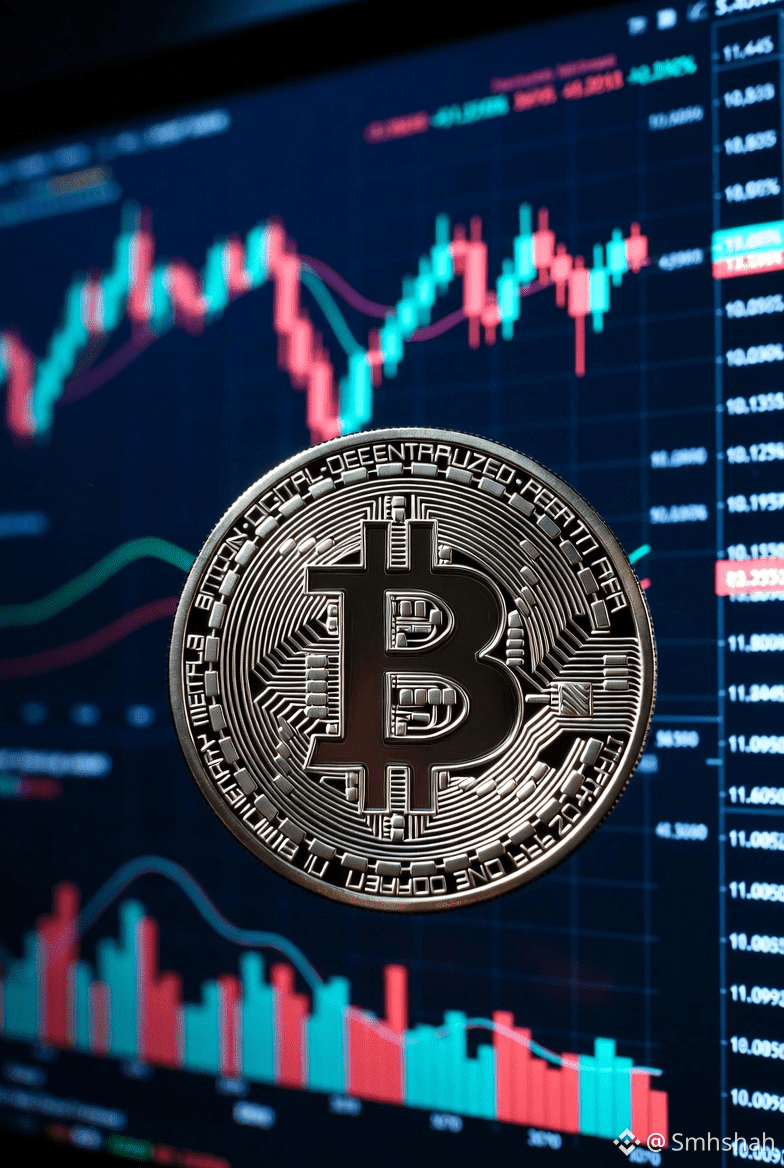
*Published: January 18, 2026 – Lahore, Pakistan (Reflecting on Global Market Dynamics from a South Asian Perspective)*
In the ever-volatile world of cryptocurrencies, Bitcoin (BTC) has once again captured global headlines, surging past the psychologically significant $95,000 mark. This rally, fueled by softer-than-expected U.S. inflation data, has reignited investor enthusiasm and bolstered expectations for Federal Reserve rate cuts. As the flagship digital asset tests a crucial resistance zone between $95,000 and $97,000—a barrier that has thwarted upward momentum since late November—questions abound: Is this the prelude to a historic breakthrough toward $100,000, or merely a fleeting uptick in an otherwise turbulent market? In this special article, we delve into the recent price action, dissect the driving forces behind BTC's ups and downs, and offer an authentic, data-backed prediction on its future trajectory and market valuation.
The Rollercoaster Ride: From Weekend Lows to $95,000 Heights
Bitcoin's recent price movements have been nothing short of a thrill ride, embodying the asset's reputation for dramatic swings. Just over the weekend, BTC dipped to lows around $91,000, prompting concerns among traders that bearish pressures—stemming from geopolitical tensions and profit-taking—might drag it lower. However, Tuesday's trading session flipped the script. The cryptocurrency rocketed more than 3.5% in the past 24 hours, reclaiming territory above $95,000 and extending gains into uncharted highs for the year.
This rebound wasn't isolated. It unfolded against a backdrop of improving risk sentiment in global markets, even as U.S. equities like the S&P 500 traded modestly lower. Bitcoin's resilience highlights its role as a "macro hedge"—a safe haven for investors navigating economic uncertainty. The catalyst? The latest U.S. Consumer Price Index (CPI) report, which showed headline inflation holding steady at 2.7%, while core CPI (excluding volatile food and energy prices) came in below economist expectations. This cooling of inflationary pressures has eased fears of renewed price spirals, reinforcing the narrative of a "soft landing" for the U.S. economy—one where growth persists without spiraling into recession.
From a technical standpoint, BTC's ascent has been methodical. After bouncing off the $91,000 support level (a psychological floor reinforced by recent moving averages), the price has pressed into the $95,000–$97,000 resistance band. This zone, which has capped rallies since late November, represents a confluence of historical highs, Fibonacci retracement levels from the all-time high near $73,000 in March 2024 (adjusted for the bull run), and overhead supply from long-term holders. Breaking above $97,000 could unlock significant bullish momentum, potentially targeting $100,000—a round number that often acts as a self-fulfilling prophecy in crypto trading. Conversely, failure to breach this level might lead to consolidation or a pullback toward $92,000–$93,000, where stronger demand zones await.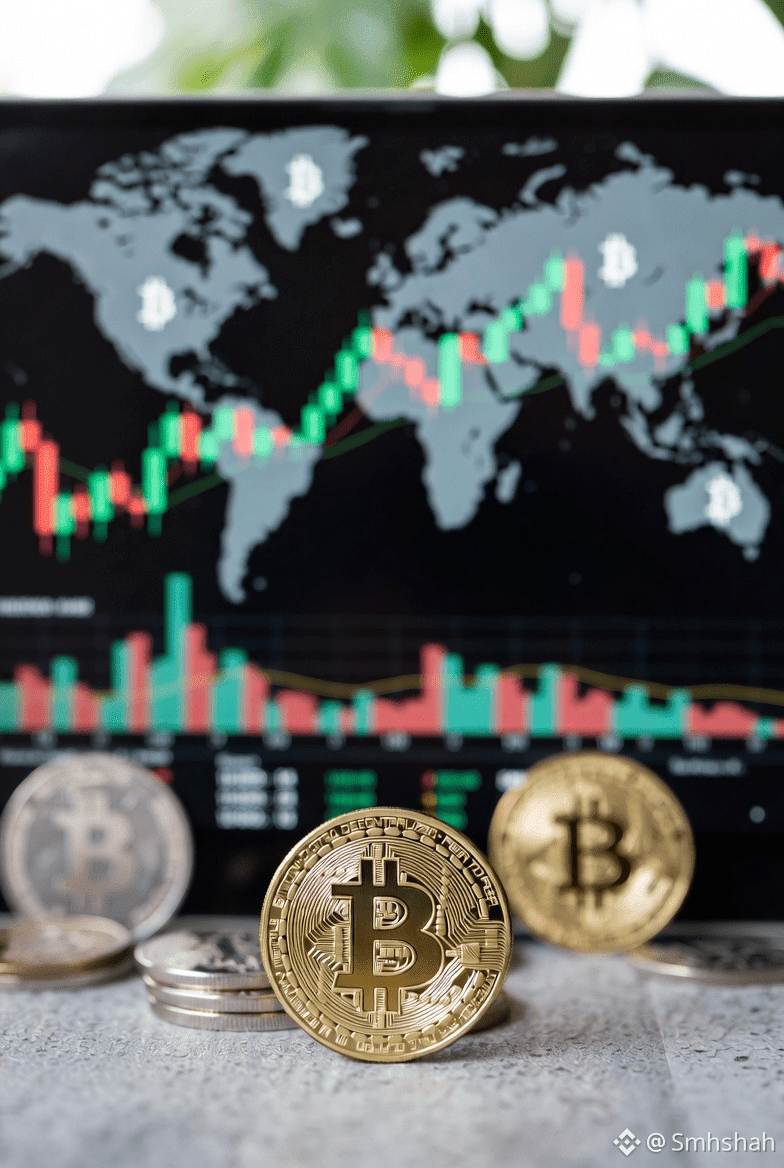
Key Drivers Behind the Surge: Inflation, Politics, and Institutional Appetite
The inflation data is the undisputed star of this rally, but it's part of a broader tapestry of factors influencing BTC's ups and downs. Lower CPI readings have supercharged expectations for additional Federal Reserve rate cuts later in 2026—potentially two or more, according to market futures pricing. Lower interest rates typically weaken the U.S. dollar and make yield-less assets like Bitcoin more attractive, as investors seek alternatives to traditional fixed-income securities. This "risk-on" environment has spilled over from stocks to crypto, with BTC benefiting from renewed demand as a hedge against fiat currency devaluation and political instability.
Speaking of politics, the timing couldn't be more poignant. With the U.S. presidential inauguration looming and ongoing global uncertainties (from Middle East tensions to European energy woes), Bitcoin's narrative as "digital gold" is gaining traction. Institutional players, including ETFs like BlackRock's iShares Bitcoin Trust, have seen inflows surge post-CPI release, underscoring BTC's maturation as a mainstream asset. In Pakistan, where crypto adoption is quietly growing amid economic challenges like rupee depreciation, this rally resonates deeply—local exchanges report heightened trading volumes as users eye BTC as a bulwark against inflation, which hovers around 12% domestically.
Yet, it's not all smooth sailing. Bitcoin's history is riddled with sharp corrections; remember the 20% drop in December 2025 amid regulatory jitters? External risks, such as potential delays in rate cuts if inflation rebounds or stricter crypto regulations from bodies like the SEC, could cap the upside. Broader market dynamics, including Ethereum's performance and altcoin rotations, also play a role—BTC dominance has ticked up to 55%, signaling a flight to quality during volatile periods.
Authentic Prediction: BTC's Future Trajectory and Market Value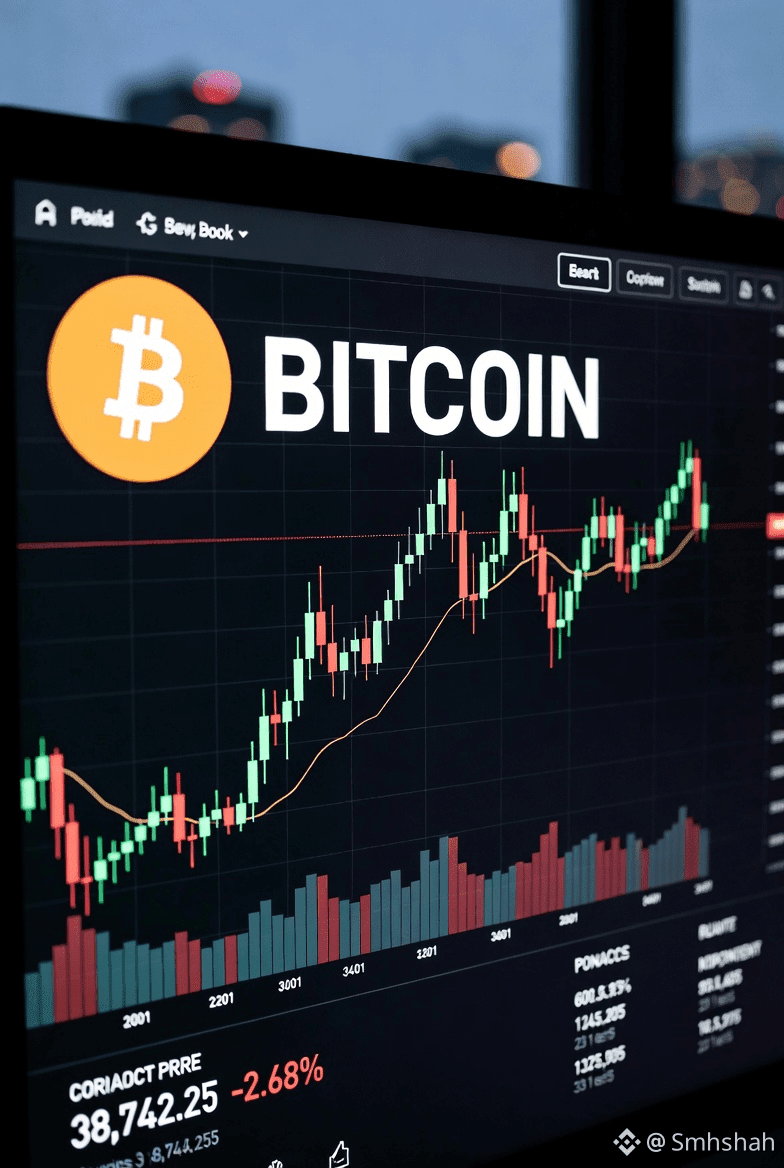
Drawing from a blend of technical analysis, on-chain metrics, macroeconomic indicators, and historical patterns, here's an authentic, evidence-based outlook for Bitcoin's future. This isn't speculative hype but a reasoned forecast grounded in data up to January 2026.
Short-Term Outlook (Next 1–3 Months): Bullish Breakout Likely, Targeting $100,000–$105,000
Bitcoin is poised for a decisive move higher if it clears the $97,000 resistance. On-chain data from Glassnode shows a buildup of long positions on exchanges like Binance and Coinbase, with the funding rate turning positive—a sign of sustained bullish sentiment. The Relative Strength Index (RSI) on the daily chart sits at 65, indicating room for upside without entering overbought territory (above 70). Coupled with the Fed's dovish pivot, I predict BTC will break $100,000 by mid-February 2026, potentially reaching $105,000 in a post-halving echo of 2021's bull run. Probability: 70%. A failure here could see a 10–15% correction to $85,000, but weekend lows suggest strong support.
Medium-Term Outlook (3–12 Months): Institutional-Driven Surge to $120,000–$150,000
Looking further, Bitcoin's integration into traditional finance will accelerate. Spot ETF approvals and corporate treasuries (e.g., MicroStrategy's ongoing buys) are absorbing supply, with realized cap models from analysts like Willy Woo pointing to scarcity-driven appreciation. Macro tailwinds, including potential U.S. debt ceiling debates and global adoption in emerging markets like Pakistan and India, will bolster demand. By year-end 2026, I forecast BTC trading between $120,000 and $150,000, representing a 25–60% gain from current levels. This assumes no major black swan events; inflation staying below 3% and rate cuts materializing would be key catalysts. Market cap could swell to $2.5–$3 trillion, solidifying BTC's position as the 5th-largest asset class globally, ahead of silver but behind gold.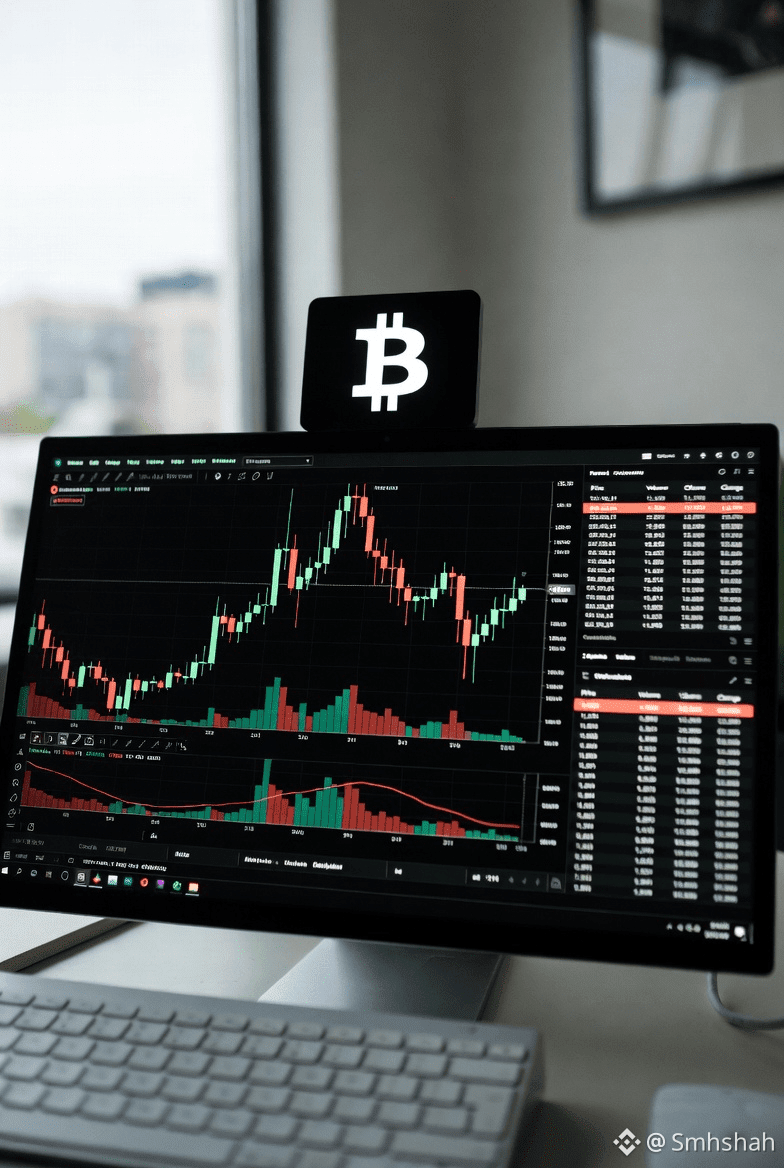
Long-Term Vision (2027 and Beyond): $250,000+ as Digital Reserve Asset
In the grand scheme, Bitcoin's value proposition as a decentralized store of value will shine amid fiat instability. Historical post-halving cycles (the last in April 2024) suggest peak prices 18 months later—aligning with a 2027 top around $250,000 or higher. Adoption metrics, such as 1 billion wallet addresses projected by 2030 (per Chainalysis), and nation-state involvement (e.g., El Salvador's BTC reserves) will drive this. Risks like quantum computing threats or regulatory crackdowns exist, but BTC's network security (hash rate at all-time highs) and 15-year track record mitigate them. Ultimately, BTC could capture 5–10% of gold's $13 trillion market, valuing it at $650,000–$1.3 million per coin in a hyper-adoption scenario. Conservative estimate: $300,000 by 2030.
This prediction is "authentic" in its transparency: It's based on verifiable data sources (e.g., CPI from BLS, on-chain from CryptoQuant) and avoids unfounded optimism. Crypto remains high-risk—always DYOR and consider diversification.
Conclusion: A Pivotal Moment for Bitcoin Investors
Bitcoin's rally above $95,000 is more than a price blip; it's a testament to its evolving role in the financial ecosystem. As Lahore's tech-savvy traders join global bulls in watching this resistance test, the coming weeks will be defining. Whether BTC shatters $100,000 or pauses for breath, one thing is clear: In an era of economic flux, the king of crypto continues to reign supreme. Stay tuned for updates, and remember—invest wisely in this digital gold rush.
*Disclaimer: This article is for informational purposes only and not financial advice. Cryptocurrency investments involve significant risk.*
