
Moldova’s Digital Frontier: The 2026 Legalization of Bitcoin and Crypto Trading:
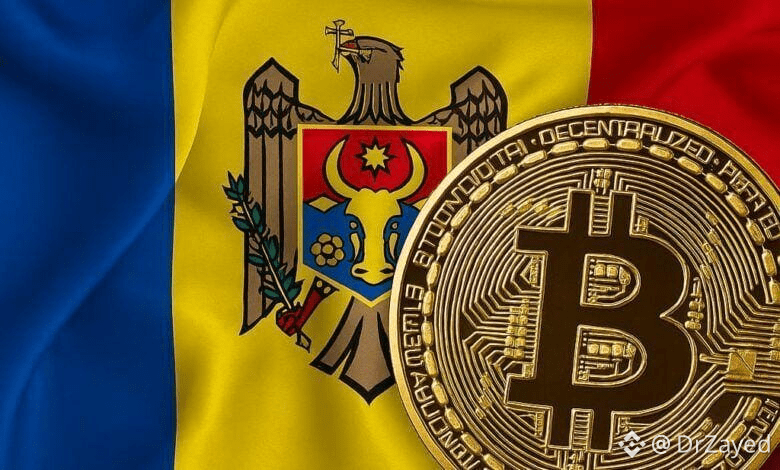
In a move that has sent ripples through the Eastern European financial landscape, Moldova has officially announced the comprehensive legalization and regulation of Bitcoin and cryptocurrency trading, effective early 2026. This landmark decision, reported by Eurasia Daily, marks a pivotal shift for a nation traditionally characterized by its agrarian roots and burgeoning wine industry. By embracing the digital asset revolution, Chișinău is signaling its intent to transition into a regional tech hub, leveraging blockchain technology to drive economic modernization, transparency, and financial inclusion.
A Strategic Pivot Toward the Future:
The decision to legalize crypto trading in 2026 is not merely a reaction to a global trend; it is a calculated strategic pivot. For years, Moldova has grappled with the challenges of being one of Europe’s poorest nations, often susceptible to external economic shocks and high rates of emigration. The "Digital Moldova 2026" initiative, of which crypto legalization is a cornerstone, seeks to reverse these trends.
According to government officials cited by Eurasia Daily, the legalization framework aims to provide "legal certainty to an industry that has operated in the shadows for too long." By bringing digital assets into the light of regulation, Moldova hopes to attract foreign direct investment (FDI) from fintech firms, blockchain developers, and institutional investors who have previously been wary of the country’s ambiguous legal stance on decentralized finance (DeFi).
The Core of the 2026 Framework
The new legislation is expected to be comprehensive, covering everything from individual retail trading to large-scale institutional custody. Key components of the 2026 rollout include:
1. Licensing for Exchanges: Any cryptocurrency exchange operating within Moldovan borders must obtain a license from the National Bank of Moldova (NBM). This ensures that platforms adhere to strict Anti-Money Laundering (AML) and Know Your Customer (KYC) protocols, aligning the country with EU-standard financial regulations—a critical step in Moldova's path toward potential EU integration.
2. Taxation Incentives: To stimulate the local ecosystem, the government has proposed a tiered tax structure. While trading profits will be subject to a modest capital gains tax, startups specializing in blockchain infrastructure may enjoy tax holidays or reduced corporate rates for their first five years of operation.
3. Consumer Protection: One of the primary drivers for legalization is the protection of Moldovan citizens. By creating a regulated environment, the state can provide recourse for fraud and ensure that domestic platforms maintain sufficient liquidity and security measures to prevent the types of collapses seen in unregulated markets globally.
Economic Implications: From Remittances to Innovation
One of the most profound impacts of crypto legalization in Moldova relates to remittances. A significant portion of Moldova’s GDP—often cited between 15% and 20%—comes from citizens working abroad. Traditionally, these funds are sent back via expensive corridors like Western Union or SWIFT.
By legalizing Bitcoin and stablecoins, the Moldovan government is paving the way for low-cost, near-instant cross-border payments. A worker in Italy or Germany will soon be able to send Bitcoin or a Euro-pegged stablecoin to their family in Chișinău, who can then convert it to Moldovan Leu (MDL) at a licensed local exchange for a fraction of the traditional cost. This "remittance revolution" could put millions of dollars back into the pockets of Moldovan families, stimulating local consumption and growth.
Furthermore, the 2026 mandate includes provisions for "Sandbox Zones." These are designated technological parks where companies can experiment with tokenizing real-world assets (RWAs)—such as agricultural land or vineyard yields—without the immediate burden of full regulatory compliance. This could revolutionize how Moldovan farmers access credit, allowing them to sell "tokens" representing future harvests to global investors.
The Energy Equation: Mining in a New Era
The Eurasia Daily report also touches upon the controversial yet lucrative sector of crypto mining. Moldova’s energy landscape is complex, historically reliant on external providers. However, the 2026 plan integrates crypto mining into the national renewable energy strategy.
The government intends to offer discounted electricity rates to mining operations that utilize excess energy from the country’s growing wind and solar farms. By acting as a "flexible load," crypto miners can help stabilize the national grid, purchasing power during periods of low demand and shutting down during peaks. This symbiosis could make Moldova an attractive destination for "green" mining operations fleeing more restrictive environments in Western Europe or the United States.
Addressing the Geopolitical Context
Legalizing Bitcoin in 2026 cannot be viewed in isolation from Moldova’s geopolitical situation. Caught between the influence of the European Union and the historical ties to the East, Moldova is using crypto as a tool for "Financial Neutrality" and sovereignty.
By building a robust digital asset infrastructure, Moldova reduces its dependence on traditional banking systems that can be weaponized during geopolitical tensions. While the country remains committed to its European path, the adoption of decentralized protocols provides a layer of economic resilience. The NBM has been clear: "We are not replacing the Leu; we are fortifying our economy with a digital shield."
Challenges and Risks: The Road to 2026
Despite the optimism, the road to 2026 is fraught with challenges. Skeptics point to several critical risks:
• Volatility: The inherent volatility of Bitcoin remains a concern for a small economy. If a large portion of the population shifts savings into crypto, a market crash could lead to a domestic liquidity crisis.
• Reputational Risk: Historically, Moldova has dealt with issues regarding money laundering (notably the "Russian Laundromat" scandal). The international community, particularly the Financial Action Task Force (FATF), will be watching closely to ensure that "legalization" does not become a "green light" for illicit actors.
• Technological Literacy: For the benefits of crypto to reach the rural population, a massive educational campaign is required. The 2026 plan includes a "National Digital Literacy Program" aimed at teaching elderly citizens and those in remote villages how to safely use digital wallets.
The Regional Ripple Effect
Moldova’s move is likely to force the hands of neighboring countries. Romania and Ukraine have already made strides in crypto regulation, but Moldova’s 2026 plan is arguably the most "all-in" approach in the region. If successful, Chișinău could become the "Tallinn of the South," a digital gateway where East meets West.
Investors are already taking note. Venture capital interest in Moldovan tech startups has increased by 40% since the initial rumors of the 2026 legalization began to circulate. The prospect of a regulated, pro-crypto jurisdiction within a stone's throw of the EU market is a powerful draw for the next generation of fintech unicorns.
Conclusion: A Leap of Faith or a Calculated Move?
As 2026 approaches, Moldova stands at a crossroads. The legalization of Bitcoin and crypto trading is a bold gamble that the future of finance is decentralized. While the risks of volatility and regulatory oversight are real, the potential rewards—increased remittances, foreign investment, and a modernized economy—are too significant to ignore.
By the time the law takes full effect in 2026, Moldova may no longer be viewed as a quiet corner of Eastern Europe, but as a vibrant, digital-first economy that proved even the smallest nations can lead the way in the global financial revolution. As Eurasia Daily concludes, "Moldova is not just joining the crypto club; it is attempting to rewrite the rules for how a developing nation can harness the power of the blockchain."
For the global crypto community, Moldova in 2026 represents a test case. Can a country utilize Bitcoin to bridge the gap between developing status and digital prosperity? If the answer is yes, the "Moldovan Model" may soon be exported to emerging markets across the globe.
