
The world of cryptocurrency often conjures images of volatile charts, adrenaline-fueled day trading, and stories of overnight millionaires (and equally fast losses). But what if I told you there’s a path to success in crypto that doesn't involve constant market monitoring or high-stakes speculation? It's true! For many, the most sustainable and stress-free way to engage with this revolutionary technology is through methods that prioritize long-term growth, passive income, and deep understanding over rapid trading.
Here's how you can thrive in crypto without ever placing a trade:
1. Invest for the Long Haul (HODL)

This is the cornerstone for many non-traders. HODL, a popular crypto meme originating from a misspelling of "hold," means buying a cryptocurrency you believe in and holding onto it for an extended period, often years.
Strategy: Research projects with strong fundamentals, real-world utility, and robust development teams. Think about the long-term vision and adoption potential.
Why it works: You avoid the emotional stress of daily price swings, benefit from compounding growth over time, and participate in the overall maturation of the crypto market. Patience is your greatest asset here.
2. Staking & Yield Farming: Earn Passive Income

Many modern cryptocurrencies use a "Proof of Stake" (PoS) consensus mechanism. By "staking" your coins, you lock them up to support the network's operations, and in return, you earn rewards – essentially interest on your holdings. Yield farming takes this a step further, involving locking up crypto in decentralized finance (DeFi) protocols to earn fees or new tokens.
Strategy: Identify reputable staking platforms or DeFi protocols offering attractive yields. Understand the risks involved, as some DeFi ventures can be complex.
Why it works: Your crypto works for you, generating additional income while you sleep. It’s like earning interest in a savings account, but potentially with much higher returns (and higher risks).
3. Lending & Borrowing: Be Your Own Bank
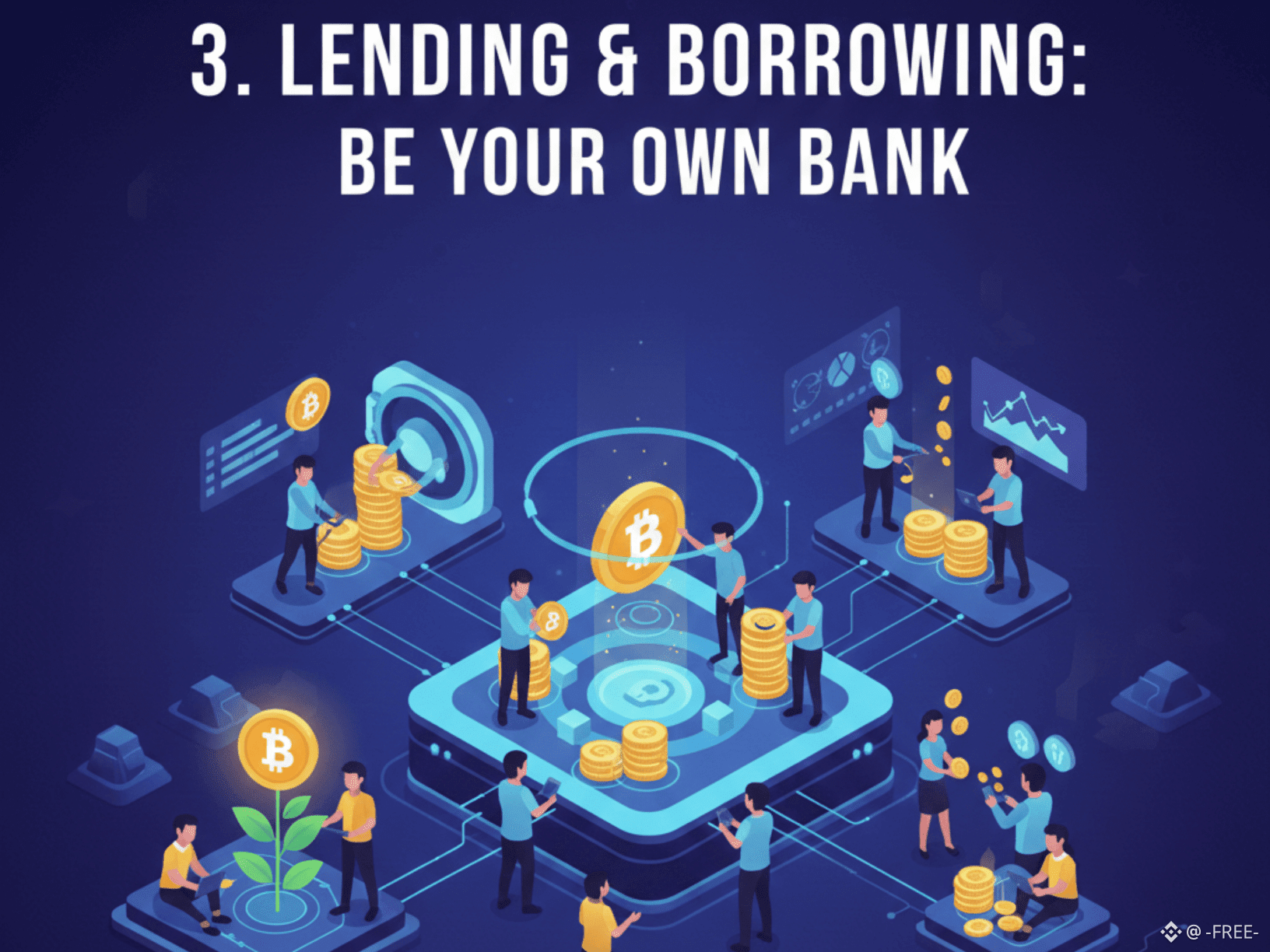
DeFi platforms allow you to lend out your cryptocurrency to others and earn interest, or borrow crypto by providing collateral. This creates a financial ecosystem where you can be both a lender and a borrower without traditional intermediaries.
Strategy: Use established lending protocols. Always be aware of liquidation risks if you're borrowing and ensure your collateralization ratio is healthy.
Why it works: You can generate passive income from your idle assets or leverage your existing holdings responsibly.
4. Airdrops & Bounties: Free Crypto Opportunities

Sometimes, new crypto projects distribute free tokens (airdrops) to existing holders of other cryptocurrencies or to users who perform specific tasks (bounties), like promoting the project on social media or finding bugs.
Strategy: Stay informed about upcoming projects and airdrop announcements. Participate in legitimate bounty programs.
Why it works: It's a way to acquire new cryptocurrencies at no cost, which can then appreciate in value.
5. Education & Contribution: The Knowledge Economy

The crypto space is constantly evolving. Becoming an expert in a niche area – be it blockchain development, smart contract auditing, crypto journalism, or community management – can be incredibly rewarding. Many projects offer grants or payment in crypto for valuable contributions.
Strategy: Deep dive into the technology. Learn to code, write insightful analyses, or help build communities around projects you believe in.
Why it works: You become an integral part of the ecosystem, potentially earning crypto for your skills and knowledge, and positioning yourself for future opportunities in a rapidly growing industry.
6. Mining (for the technically inclined)
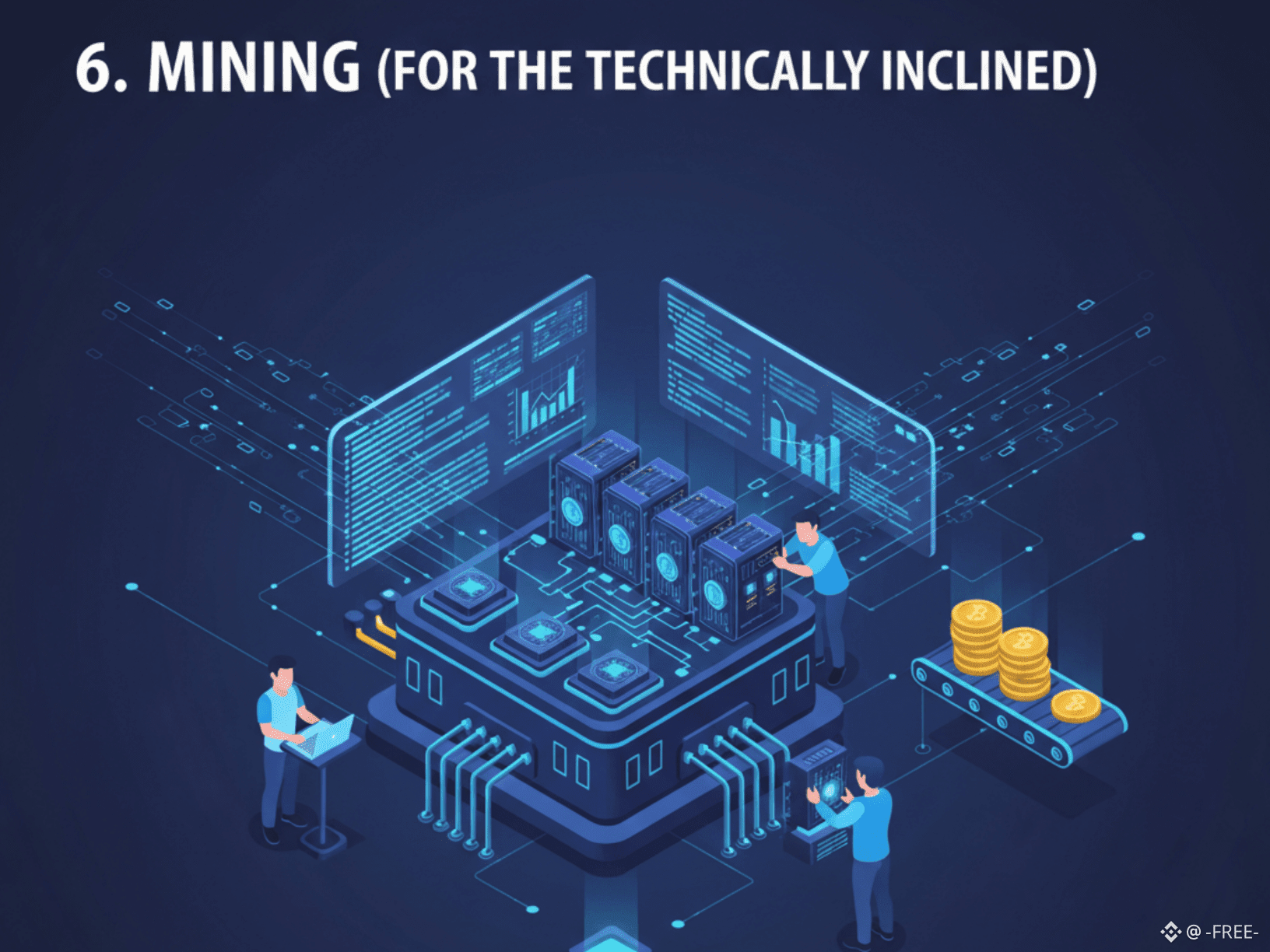
While often requiring significant initial investment and technical know-how, mining (especially for Proof of Work coins like Bitcoin) involves using computational power to validate transactions and secure the network. In return, you receive newly minted coins and transaction fees.
Strategy: Research the most profitable coins to mine, assess hardware costs (GPUs, ASICs), and consider electricity expenses.
Why it works: You contribute directly to the security of a blockchain network and earn crypto as a reward.
Succeeding in crypto doesn't mean you have to be a master trader. By focusing on long-term investment, passive income streams, active contribution, and continuous learning, you can navigate the crypto landscape effectively and build substantial value without the stress of daily trading. The future of finance is being built, and you can be a part of it, one strategic step at a time.
