

Walrus is a decentralized storage network built for the Web3 era. Instead of storing files in a few centralized data centers, Walrus spreads data across many independent computers around the world. That makes it harder for any authority to censor content, take it offline, or control it without your permission. This vision brings us closer to the original promise of the internet: open, resilient, and owned by the people using it.
Today I want to take you through what Walrus is, how it works, why it matters, its connection to Binance, and where it fits in the bigger picture of building a decentralized internet. I’ll keep it straightforward and human because this technology should be exciting and understandable, not filled with jargon.
What Walrus Really Is
Walrus is a programmable decentralized storage network built initially by the same team that created the Sui blockchain, Mysten Labs. It’s now governed by the Walrus Foundation and has real traction with developers and partners.
When you upload a file to Walrus, that data doesn’t sit in one server somewhere. Instead, it’s split into many tiny pieces using a special encoding method called RedStuff. Those pieces, sometimes called slivers or shards, get distributed across many independent storage nodes. Even if most of those nodes go offline, your data can still be reconstructed from the remaining pieces. That makes the storage highly reliable and resistant to failures or censorship.
This is conceptually similar to how the internet was meant to work — where no single point of failure could bring down an entire service. And unlike older decentralized storage projects, Walrus also makes your data programmable. That means developers can write logic around stored files, like automatically deleting data after a certain time or integrating storage directly with smart contracts.
Why Programmable Storage Matters
Traditional decentralized storage systems often just store data blindly. They keep files safe, but once something is saved, it can be hard to change or control. Walrus flips that by making storage part of a programmable blockchain ecosystem. Developers can create applications where stored data interacts with smart contracts — enabling features like access control, expiration, dynamic updates, and composability with other Web3 applications.
An example is how projects like Tusky are building privacy-first file storage using Walrus. Tusky uses the protocol to create encrypted storage vaults where users and companies can manage documents and media files with secure encryption and permission controls. This is real world usage showing how decentralized storage can beat traditional cloud drives by offering privacy, resilience, and lower costs at the same time.
Another real example is the Pudgy Penguins project, which has partnered with Walrus to store large libraries of media files for its community. That means instead of relying on centralized services, their content stays accessible and resilient through decentralized infrastructure.
Decentralization Versus Centralized Cloud
You might be asking yourself why this matters at all. We already have cloud storage from big companies that works pretty well. The problem is control. When a single company holds your data, they decide the rules. They can change pricing, limit access, censor content, or be forced by governments to hand over information. All of this happens behind the scenes in ways most people never think about.
Walrus removes that single point of control and gives it back to users. Files on Walrus aren’t owned by a company. They are distributed, encrypted, and managed by a global network of node operators and governed by blockchain consensus. That means there’s no central “off switch” and no gatekeeper controlling access to your information. This is a very different foundation from the centralized cloud model.
How Walrus Works Under the Hood
Walrus runs on the Sui blockchain, which handles coordination, payments, and the logic needed to keep everything running. When data is uploaded:
The file gets encoded using RedStuff, which splits it into fragments.
Those fragments are distributed to many storage nodes.
The system constantly checks and verifies that nodes are actually holding the data they promised.
If a node fails or goes offline, other nodes still hold enough fragments to rebuild the file.
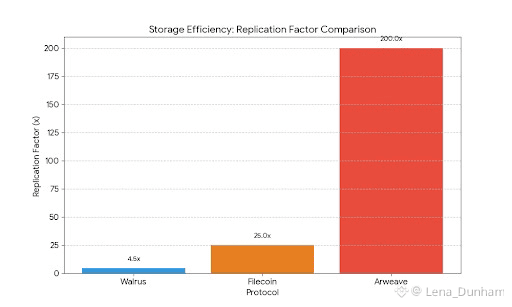
Because this process is decentralized, it resists censorship and provides a layer of redundancy that centralized systems simply cannot match without huge costs. That’s why Walrus can handle large amounts of data — like videos, images, NFTs, documents, full websites, and even datasets for AI models — while remaining robust and scalable.
WAL Token and Binance Listing
Walrus has its own native token called WAL, which plays an important role in the network. You use WAL to pay for storage, stake to help secure the network, and participate in governance decisions. This token economy creates incentives for people to run storage nodes and keep the network honest and reliable.
One major milestone for the project was the listing of WAL on Binance Alpha and Binance Spot exchanges in October 2025. This was a big step because it made WAL easily tradable for thousands of users and increased visibility for the project within the broader crypto community.
When a token like WAL gets listed on a major exchange like Binance, it means traders and investors can buy and sell it more easily, adding liquidity and encouraging broader participation. It also signals confidence in the project’s fundamentals and long-term potential.
Beyond just trading, being on Binance opens up opportunities for people to use WAL in other Binance ecosystem products and services, which helps deepen its reach and utility.
Where Walrus Fits in Web3
Decentralized storage isn’t just important for file holding. It is a core infrastructure layer for Web3, and Walrus is emerging as one of the leading projects in that space. As more decentralized applications get built — from NFTs and gaming to decentralized AI and marketplaces — having a resilient, programmable storage layer becomes essential.
Projects like OpenGradient are even leveraging Walrus to host decentralized AI models. This shows how decentralized storage can go beyond simple file hosting and support complex use cases like machine learning models, decentralized web apps, and dynamic tokenized experiences.
Walrus also supports decentralized websites, known as Walrus Sites, where entire static websites can be hosted on the network without relying on centralized hosting providers. These sites remain up and accessible even if a server goes offline or a company pulls support.
The Future Vision
The idea behind Walrus is bigger than just storing data. It’s about rebuilding the internet in a way that gives control back to individual users and developers. Instead of handing over our data to centralized corporations, decentralized storage lets communities build, share, and grow together without gatekeepers.
In a world where digital privacy and data ownership are major concerns, technologies like Walrus provide a pathway toward an internet that is more open, safe, and user-driven. This is not just a technical shift — it’s cultural, social, and economic.
As more developers build on decentralized storage and the tools become easier for everyday people to use, the potential for a truly decentralized web becomes real. Walrus is helping make that future possible — one stored file at a time.
If you’re curious about decentralized storage, getting involved in the ecosystem, or even just storing your own data without a middleman, this is a space worth watching. The internet is changing, and Walrus is one of the projects leading that change.

