
Walrus is not just another storage project in Web3. It is built around a deeper and newer idea: decentralized systems cannot scale unless data itself becomes trustworthy, long-lasting, and independent from centralized control. Today, most Web3 applications look decentralized on the surface, but their data lives elsewhere. Images, videos, AI datasets, website files, and game assets are often stored on centralized cloud servers. This creates a silent risk. If the data layer fails, the entire application can fail, no matter how strong the blockchain is.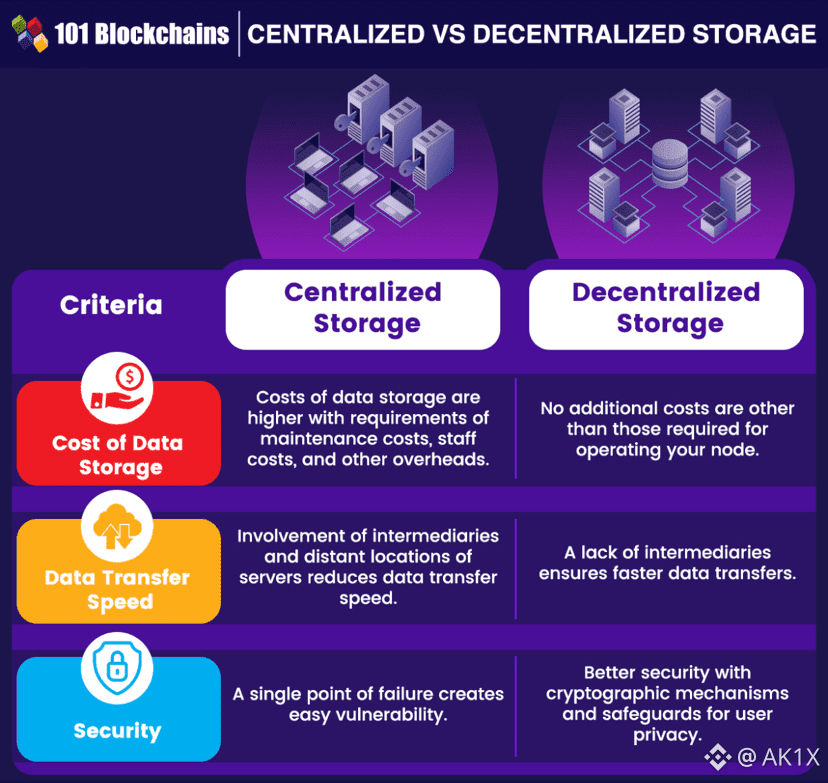
Walrus exists to fix this exact weakness. Instead of forcing data onto blockchains, which is slow and expensive, Walrus creates a separate decentralized network designed specifically for large data. Files are broken into smaller encoded pieces and distributed across many independent storage nodes. The system is designed so data can still be recovered even if some nodes go offline. This makes storage reliable without wasting space or money.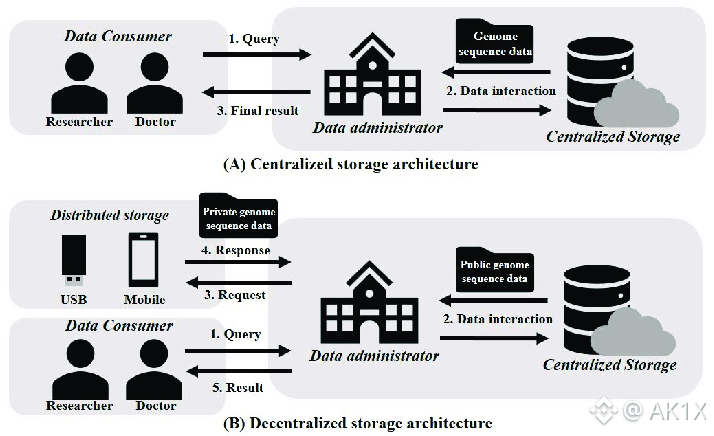
What makes Walrus especially important is its focus on data availability. Storing data once is not enough. Applications need to know that the data will still be there tomorrow, next month, or next year. Walrus enforces this by requiring storage nodes to regularly prove that they still hold the data they claim to store. If they fail, they lose rewards. In simple terms, storage is not based on trust, it is based on proof.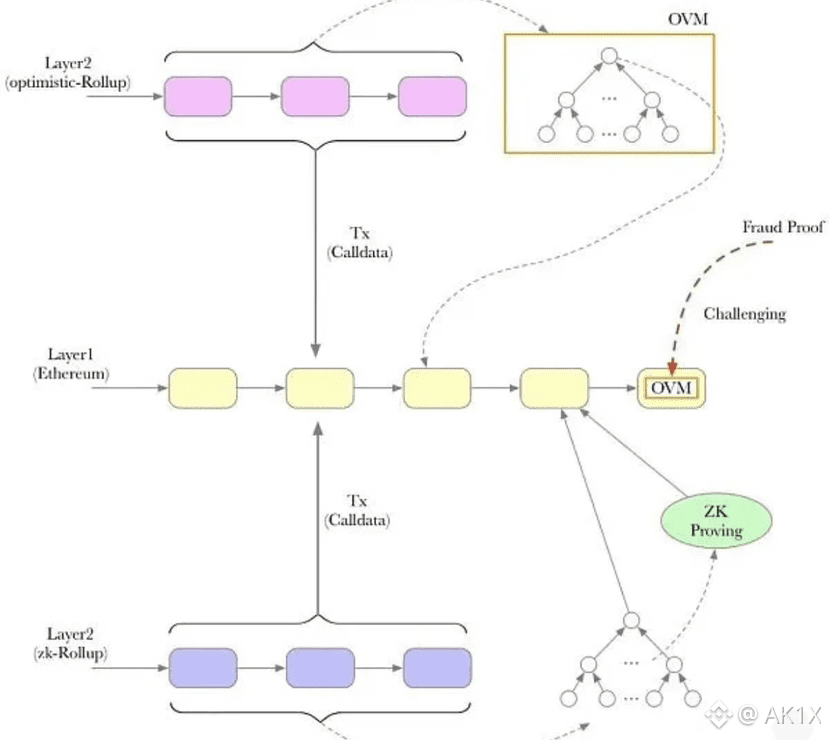
Walrus also works closely with modern blockchains like Sui, allowing stored data to be referenced by smart contracts. This makes storage programmable. Access to data can depend on ownership, time, or on-chain events. This is critical for real use cases like NFTs, AI systems, decentralized websites, media platforms, and Web3 games.
In the long run, Walrus is not trying to compete with apps or blockchains. It supports them. As Web3 moves beyond experiments and starts serving real users and real data, decentralized storage that is reliable, efficient, and provable will become essential. Walrus is built for that future quietly, practically, and with a clear understanding of what Web3 actually needs to grow.

