Walrus is built around a very simple but powerful idea: data in Web3 should not just exist, it should stay. Today, many Web3 applications look decentralized, but their data often disappears over time. Images break, links fail, datasets vanish, and content becomes unavailable. This happens because data is usually stored on centralized servers or weak decentralized systems that do not strongly enforce long-term availability. Walrus is designed to fix this problem at its root.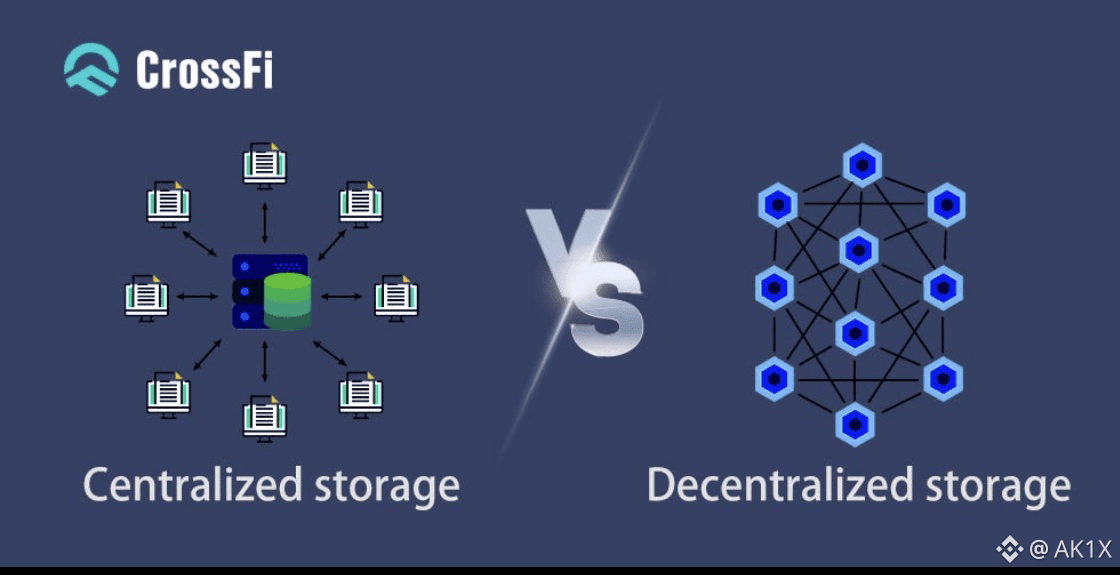
Blockchains are excellent at making transactions permanent, but they are terrible at storing large files. Because of this, developers push data off-chain and hope it stays accessible. Over time, nodes leave, incentives change, and data quietly disappears. Walrus starts from a different assumption: if data is important, the network must constantly prove it still exists. This idea shapes everything in the Walrus design.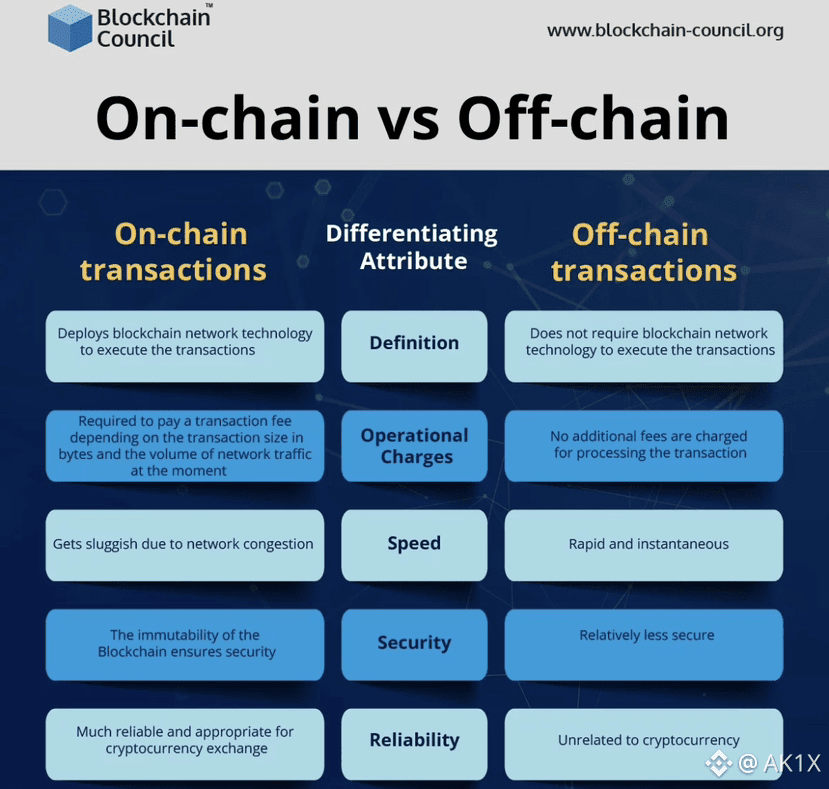
Instead of storing full files in one place, Walrus breaks large data into smaller encoded pieces. These pieces are spread across many independent storage nodes. The system is built so the original file can still be reconstructed even if several nodes go offline. This makes the network tolerant to failure, change, and growth. Data does not depend on a single machine or company.
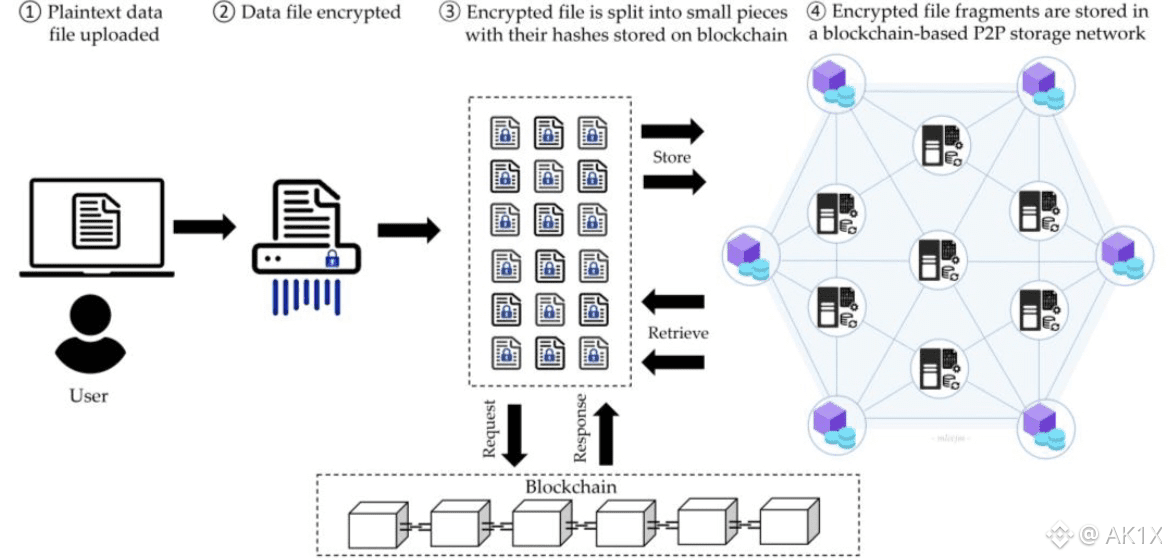 What makes Walrus especially strong is how it handles availability over time. Storage nodes are not trusted by default. They must regularly prove that they still hold the data they are responsible for. These proofs are cryptographic and random, which makes cheating very difficult. If a node fails to prove availability, it loses rewards. This creates a strong reason to keep data online not just today, but continuously.
Walrus also works closely with modern blockchains like Sui, allowing stored data to be referenced by smart contracts. This means applications can react to data availability, control access, and build rules around stored content without putting large files on-chain. Storage becomes part of application logic instead of an external dependency.
This approach is especially important for real-world use cases. AI systems need datasets that remain unchanged and available. Games need large asset libraries that players can always access. Media platforms need content that cannot be quietly removed. Walrus is built for these needs, not just for experimentation.
In simple terms, Walrus treats data like value: something that must be protected, verified, and maintained over time. As Web3 grows beyond early experiments, this mindset becomes essential. Decentralization does not matter if the data disappears. Walrus exists to make sure it doesn’t.