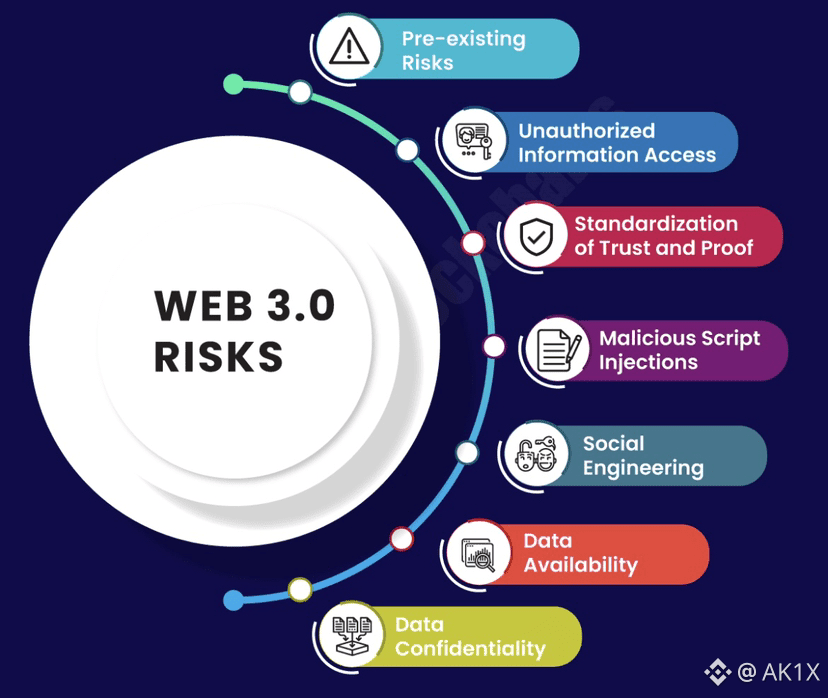
 Walrus is built on a simple but powerful idea: Web3 cannot grow if its data infrastructure is short-term. Today, many decentralized applications are created quickly, scale fast, and attract users but their data foundations are weak. Images disappear, media links break, datasets are lost, and apps quietly depend on centralized servers to survive. This creates a mismatch between how Web3 looks and how it actually works. Walrus is designed to solve this mismatch by treating data as something that must be protected and maintained over time, not just uploaded once.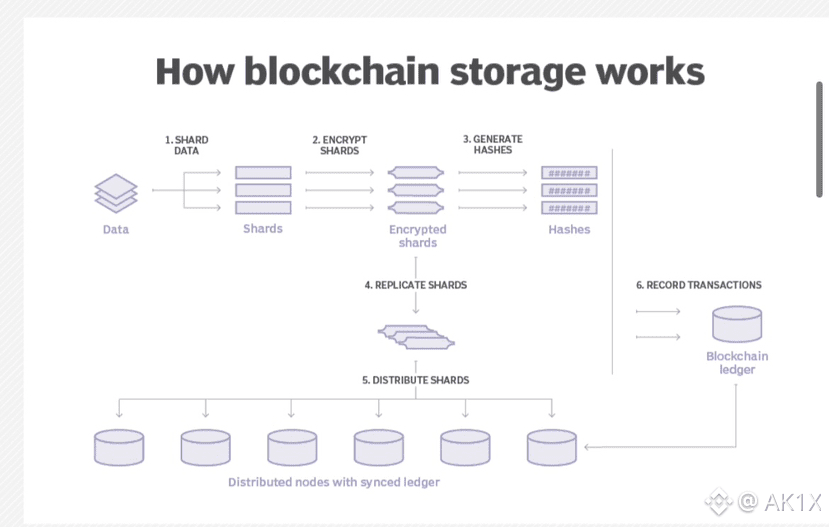
Most blockchains were never meant to store large files. They are optimized for transactions and logic, not videos, images, AI data, or application assets. Because of this, developers push data off-chain and hope it remains available. Over time, this hope fails. Walrus starts from a different mindset. Instead of assuming data will stay online, it builds a system where data availability is continuously enforced. Large files are broken into encoded pieces and spread across many independent storage nodes. Even if some nodes go offline, the original data can still be recovered. This makes the system flexible and resilient in the real world, where change and failure are normal.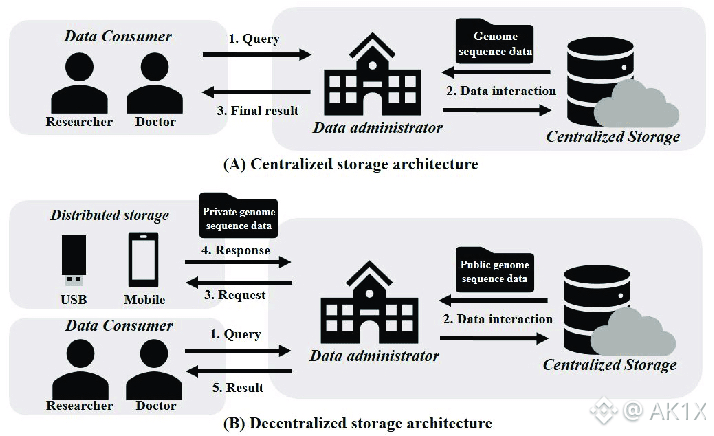
What truly separates Walrus from earlier storage systems is how it treats responsibility. Storage nodes are not trusted just because they exist. They must regularly prove that they still hold the data they are responsible for. These checks are cryptographic and unpredictable, making cheating very difficult. If a node fails to prove availability, it loses rewards. In simple terms, Walrus does not rely on promises, it relies on proof. This turns decentralized storage into something applications can confidently depend on.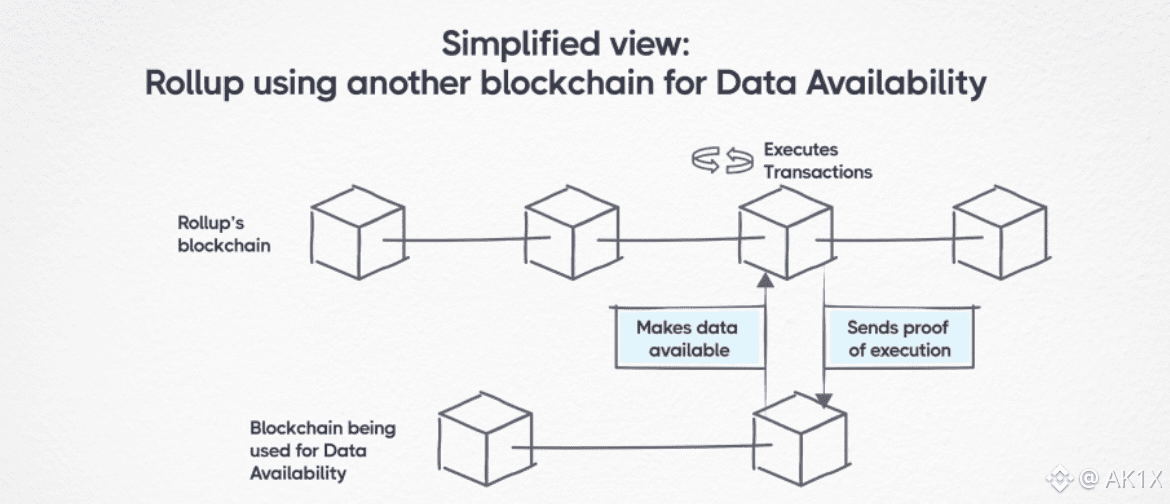
Walrus also works closely with modern blockchains like Sui, allowing stored data to be referenced by smart contracts. This makes storage programmable. Applications can build rules around who can access data, when it can be accessed, or under what conditions. Storage becomes part of the system’s logic instead of an external risk. This is especially useful for NFTs, AI platforms, decentralized websites, games, and media services.
At its core, Walrus is not chasing trends. It is solving a quiet but critical problem. As Web3 moves from experiments to real usage, long-term data reliability will matter more than speed or hype. Walrus is built for that future, a future where decentralized applications can trust their own data.