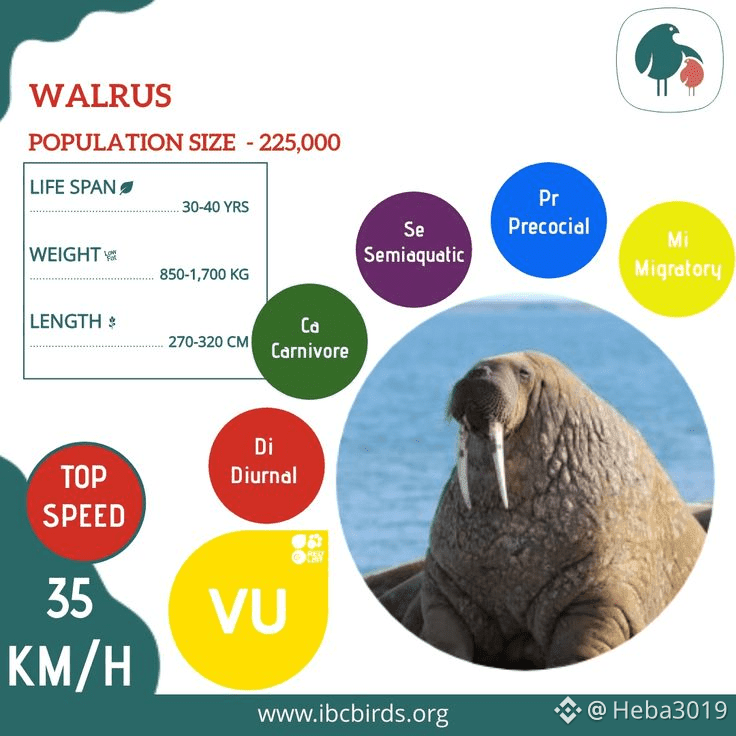
Walruses are among the most iconic marine mammals of the Arctic, easily recognized by their massive size, long tusks, and distinctive whiskers. These social and intelligent creatures are not only a symbol of the frigid polar regions but also play an important role in the ecosystem. Here are some fascinating facts about walruses that highlight their unique adaptations and lifestyle.
Physical Characteristics: Walruses are enormous, with adult males (called bulls) weighing up to 1,700 kilograms (3,700 pounds), while females are slightly smaller, reaching around 1,200 kilograms (2,600 pounds). They have thick, wrinkled skin covered with sparse hair and a layer of blubber that can be up to six inches thick, helping them survive in icy waters. Their most iconic feature is their tusks—elongated canine teeth that can grow up to 1 meter (3.3 feet) long. Both males and females have tusks, which they use for a variety of purposes, including defense, dominance displays, and hauling themselves out of the water onto ice or land.
Habitat and Distribut ion: Walruses inhabit the Arctic Ocean and sub-Arctic seas, primarily around Alaska, Canada, Greenland, Norway, and Russia. They prefer shallow waters near ice floes, which provide both resting platforms and protection from predators. Walruses are highly social animals, often forming large herds called herds or herds of hundreds or even thousands. These gatherings are important for mating, socializing, and staying safe from predators such as polar bears and killer whales.
Diet and Feeding Habits: Walruses are benthic feeders, meaning they primarily feed on the ocean floor. Their diet mainly consists of mollusks, particularly clams, which they detect using their sensitive whiskers called vibrissae. Walruses create a strong suction with their mouths to pull shellfish from the seabed. While they are mostly carnivorous, they occasionally consume worms, crustaceans, and even small fish. This feeding behavior makes walruses important contributors to the marine ecosystem, helping control mollusk populations.
Behavior and Adaptations: Walruses are known for their unique adaptations to the Arctic environment. Their thick blubber and skin protect them from freezing temperatures, while their tusks and flippers allow them to navigate icy waters and climb onto ice. Social interactions are vital for walruses, as they often huddle together to maintain warmth and communicate through vocalizations, including bell-like sounds, grunts, and clicks. Males engage in tusk fights during the breeding season to establish dominance and attract females.
Reproduction and Lifespan: Female walruses give birth to a single calf after a gestation period of about 15 to 16 months. Calves are born weighing around 45 kilograms (100 pounds) and are able to swim and nurse shortly after birth. Walruses can live up to 40 years in the wild, though survival depends heavily on environmental conditions and threats from predators and climate change.
Conservation Status: Walruses are currently classified as vulnerable due to climate change, which reduces sea ice habitats, and human activities such as hunting and oil exploration. Conservation efforts focus on protecting their habitats and regulating hunting to ensure these magnificent creatures continue to thrive in the Arctic.
In summary, walruses are extraordinary marine mammals with impressive physical traits, fascinating behaviors, and critical ecological roles. From their long tusks to their social herds, these Arctic giants continue to captivate scientists and wildlife enthusiasts alike.