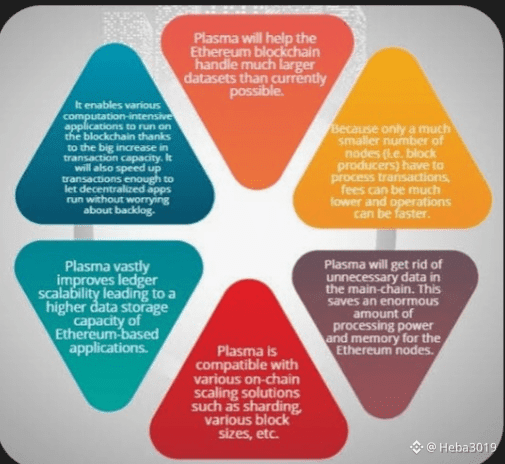
Plasma is a blockchain scaling and payment-focused technology designed to make digital transactions faster, cheaper, and more efficient—especially for stablecoins and everyday payments. While many people associate blockchains with slow confirmations and high fees, Plasma aims to solve these problems by optimizing how transactions are processed and settled.
At its core, Plasma is built to handle high transaction volumes without sacrificing security. It achieves this by operating as a high-performance blockchain network that can interact with existing ecosystems like Ethereum while avoiding their biggest bottlenecks.
What Is Plasma?
Plasma is a blockchain infrastructure designed primarily for fast, low-cost transactions. It focuses on stablecoin transfers, payments, and financial applications that require near-instant finality. Unlike traditional blockchains that try to handle every transaction directly on-chain, Plasma optimizes transaction execution to reduce congestion and fees.
Plasma is often associated with payment use cases rather than speculative trading. This makes it well-suited for real-world adoption, such as remittances, merchant payments, payroll, and decentralized finance (DeFi) applications that rely on speed and reliability.
How Plasma Works
Plasma works by streamlining transaction processing and minimizing unnecessary computational overhead. Instead of forcing every node to execute complex operations for each transaction, Plasma uses an efficient architecture that prioritizes speed and scalability.
Transactions are grouped and validated quickly, allowing the network to confirm transfers in seconds rather than minutes. This makes Plasma ideal for stablecoins, where users expect instant settlement similar to traditional payment systems.
Another key feature of Plasma is its compatibility with the Ethereum Virtual Machine (EVM). This means developers can deploy existing Ethereum smart contracts on Plasma with little or no modification. By maintaining EVM compatibility, Plasma benefits from Ethereum’s large developer ecosystem while offering better performance.
Security and Decentralization
Despite its focus on speed, Plasma does not abandon security. Transactions are secured using cryptographic verification and decentralized consensus mechanisms. This ensures that funds cannot be altered or double-spent, even as transaction throughput increases.
Plasma also reduces common attack vectors by optimizing how data is handled and validated. By avoiding excessive congestion and lowering transaction costs, it minimizes the risks associated with network overload, which can expose vulnerabilities in slower systems.
Use Cases and Real-World Impact
Plasma is particularly powerful for stablecoin payments. Businesses can send and receive funds globally with minimal fees, making it attractive for cross-border payments and financial services. DeFi platforms benefit from faster trades and more responsive applications, while users enjoy smoother interactions.
Beyond finance, Plasma can support gaming, digital marketplaces, and subscription services—any application that requires fast, frequent transactions without high costs.
Conclusion
Plasma represents a shift in how blockchains are designed and used. Rather than focusing solely on decentralization at the expense of usability, Plasma balances speed, security, and scalability. By enabling instant stablecoin transactions and seamless Ethereum compatibility, Plasma brings blockchain technology closer to real-world payment systems and everyday use.