South Korea Seized BTC Case
What Does #SouthKoreaSeizedBTCLoss Mean?
The hashtag #SouthKoreaSeizedBTCLoss refers to a situation where South Korean authorities seized Bitcoin as part of a legal or tax enforcement action, only to later face significant losses due to Bitcoin’s price decline. In simple terms, the government grabbed BTC when prices were higher—and ended up selling or valuing it much lower.
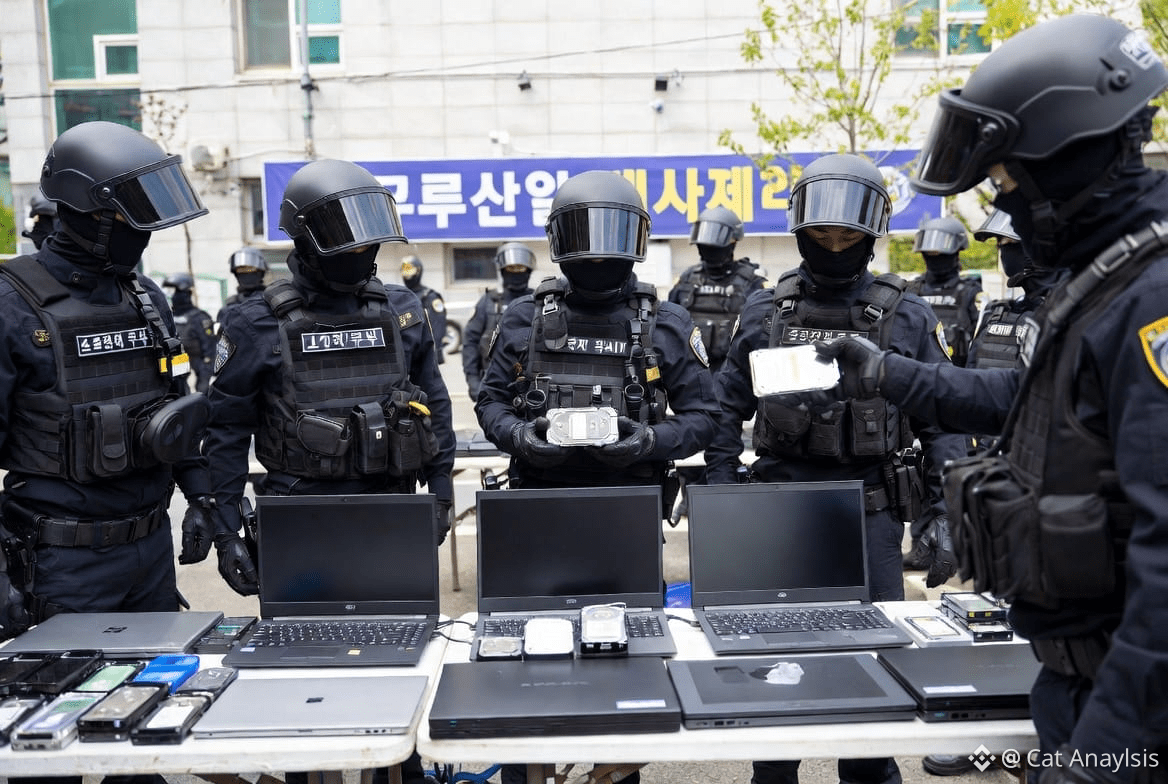
Why This News Is Trending in Crypto
Crypto traders hate inefficiency, especially when it involves Bitcoin. The idea that a government could lose millions by holding seized BTC during a bear market sparked intense debate, memes, and criticism across social media.
Background of Crypto Regulation in South Korea
South Korea’s Strict Crypto Laws
South Korea is known for its tough stance on crypto. From strict KYC rules to heavy tax oversight, the country keeps a close eye on digital assets.
Government Stance on Digital Assets
While not anti-Bitcoin, South Korea treats crypto as a high-risk asset that requires tight control. Enforcement actions are common.
AML and Tax Enforcement
Most BTC seizures happen during tax evasion, fraud, or anti-money laundering investigations.
How Bitcoin Was Seized by South Korean Authorities
Legal Grounds for BTC Seizure
Authorities can seize crypto linked to unpaid taxes or illegal activity. Courts approve these actions under existing financial laws.
Who Owned the Seized Bitcoin?
In most cases, seized BTC belongs to individuals or entities under investigation—not exchanges or retail users.
Timeline of the Seizure
The Bitcoin was seized during stronger market conditions but held for an extended period before liquidation.
Why the Seized BTC Resulted in a Loss
Market Volatility and Price Drops
Bitcoin doesn’t wait for legal paperwork. While the BTC sat in custody, prices dropped sharply.
Delay in Liquidation
Bureaucratic delays meant authorities missed optimal selling windows.
Missed Market Timing
In crypto, timing is everything—and the timing here was brutal.
The Role of Bear Market Conditions
Bitcoin Price Decline During Custody
The seized BTC lost value simply because the broader market turned bearish.
Global Crypto Downtrend Impact
This wasn’t just a South Korea issue—the entire crypto market was bleeding.
Comparison With Previous Seizures
Other governments that liquidated earlier avoided similar losses.
How Much BTC Was Seized and Lost?
Estimated Value at Seizure Time
At seizure, the BTC was worth significantly more than at liquidation.
Value at Liquidation
By the time authorities acted, market prices had fallen dramatically.
Paper Loss vs Realized Loss
Even if not fully sold, the value drop represents a real financial setback.
Government Handling of Seized Crypto Assets
Storage and Security of Seized BTC
Cold wallets and secure custody were used—but security doesn’t protect value.
Custody Challenges
Holding volatile assets without a strategy is risky.
Transparency Concerns
The public questioned whether crypto experts were involved in decision-making.
Public and Crypto Community Reaction
Crypto Twitter and #SouthKoreaSeizedBTCLoss
The hashtag exploded, with traders mocking the loss and warning governments about crypto volatility.
Investor Sentiment
Many saw this as proof that governments struggle to manage decentralized assets.
Trust Issues With Authorities
Poor handling fuels skepticism toward regulatory competence.
Legal and Financial Implications
Who Bears the Loss?
Ultimately, taxpayers may indirectly absorb the loss.
Impact on Future Seizures
Authorities may rethink holding BTC long-term.
Policy Review Pressure
This case adds pressure to update crypto asset management policies.
Lessons for Governments Handling Crypto
Importance of Timely Asset Management
Crypto isn’t real estate—you can’t sit on it forever.
Need for Crypto Expertise
Without market knowledge, losses are almost inevitable.
Risk of Holding Volatile Assets
Bitcoin rewards speed, not hesitation.
Impact on the Bitcoin Market
Short-Term Market Sentiment
The news caused brief fear but no structural damage.
Fear vs Fundamentals
Bitcoin’s fundamentals remain unchanged.
Is This Bearish for BTC?
Long-term? Not really. Short-term? Just noise.
What This Means for Crypto Investors
Regulatory Risk Awareness
Governments can and will seize assets.
Custody and Compliance Lessons
Proper compliance reduces seizure risk.
Long-Term Perspective
Events like this don’t kill Bitcoin—they test it.
Could This Happen in Other Countries?
Global Trend of Crypto Seizures
Yes, many governments now seize crypto.
Different Approaches Worldwide
Some sell immediately; others hold and hope.
Best Practices Comparison
Speed and transparency matter most.
Future of Crypto Regulation in South Korea
Potential Policy Changes
Expect smarter liquidation strategies.
Smarter Crypto Asset Management
Governments may partner with crypto professionals.
Balancing Control and Innovation
Too much control risks costly mistakes.