
Vanar is designed around the idea that technology should adapt to people, not the other way around. Instead of treating blockchain as a financial engine first and a human environment second, it begins with how people actually behave in digital spaces, how they play, create, explore, and build relationships, and then shapes the infrastructure to support those behaviors naturally. This approach turns the network into more than a technical system and gradually transforms it into a living digital environment where ownership, identity, creativity, and trade exist together without feeling forced or artificial.
The background of the team plays a major role in this philosophy. Coming from industries where user attention depends on comfort, continuity, and emotional connection, the builders understand that friction is not just inconvenient, it is destructive to long term engagement. Because of this, Vanar is structured to keep complex processes hidden beneath intuitive experiences, allowing people to interact with applications without constantly being reminded that they are using blockchain technology. What remains visible is the experience itself, not the machinery supporting it.
Performance is treated as a fundamental design requirement rather than a selling point. Interactive environments cannot tolerate delays, unstable costs, or unpredictable behavior. Vanar focuses on consistent speed and reliability so developers can design digital worlds that feel stable and fair over long periods of time. When creators know how the network behaves, they can focus on storytelling, progression systems, and social interaction instead of constantly adjusting for technical uncertainty.
Inside these environments, digital assets become meaningful markers of participation rather than simple tradeable objects. Items can reflect history, reputation, and personal progress, giving users a sense that their time and effort leave a lasting trace. This sense of continuity reshapes digital ownership from something temporary into something personal, where experiences accumulate and identities evolve across different spaces.
Intelligent systems are woven directly into this structure to allow environments to respond to behavior instead of remaining static. Rather than operating as distant analytical tools, these systems interact with network activity in real time, allowing content to adjust, communities to self organize, and experiences to feel more alive and adaptive. This creates digital spaces that evolve with their users instead of forcing users to adapt to rigid designs.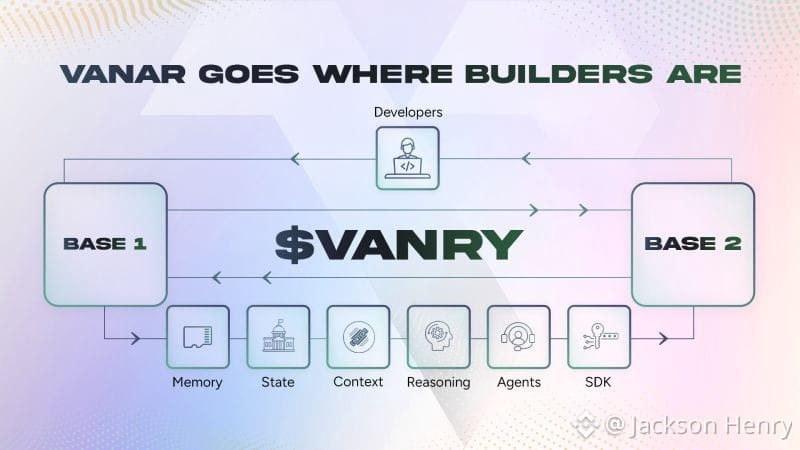
Commercial participation follows the same logic of integration rather than interruption. Instead of pushing promotions into experiences, businesses become part of the environment by contributing spaces, events, and interactive content. This transforms engagement into shared participation, where users choose to interact because it adds value to their experience rather than disrupting it.
As digital economies grow, the boundary between virtual and physical value becomes increasingly important. Vanar approaches this connection carefully, focusing on transparency, verification, and lawful interaction without turning access into something exclusive or restrictive. The aim is to allow real world value to flow into digital environments in ways that are trustworthy while still remaining accessible to everyday participants.
The network’s token functions as the thread connecting all these layers. It supports activity, secures operations, and aligns incentives so that growth comes from usage rather than speculation. When people build, trade, and participate, they strengthen the same system that enables their experiences, creating a circular relationship between infrastructure and community.
Long term growth is supported not only through technology but also through people. By encouraging education and creative development, Vanar increases the chance that new ideas emerge from many different regions and cultural backgrounds. This allows the ecosystem to reflect diverse needs and perspectives instead of becoming shaped by a single market or demographic.
None of this removes the challenges that come with building in a competitive and rapidly changing industry. Attention is difficult to sustain and loyalty is earned slowly. The true test will not be technical capability but whether people continue to return, form communities, and invest their creativity and time into these digital spaces.
What ultimately defines Vanar is not one specific feature but a consistent belief that digital systems should feel social before they feel financial. It assumes that lasting adoption begins with enjoyment, identity, and belonging, and that economic activity grows naturally once people care about where they spend their time.
If decentralized technology is meant to become part of everyday digital life, it must feel less like a tool and more like a place. Vanar is shaping itself around that idea by building environments where people can carry pieces of their digital story forward, creating continuity, meaning, and community along the way.
