
Walrus emerges as a quietly radical reimagining of what a next‑generation blockchain can be when it is designed not merely as a ledger but as an intelligent, privacy‑centric ecosystem that bridges decentralized storage, real‑world data, and autonomous computation. In contrast to the early generation chains that were optimized primarily for settlement and simple smart contracts, Walrus positions itself to address the limitations of existing architectures by embedding privacy, data distribution, and intelligent automation into the core of its infrastructure, redefining the relationship between users, applications, and the underlying network. What sets this project apart is not a superficial feature list but a foundational thesis that data sovereignty, scalable storage, and smart orchestration must coexist in a unified platform if Web3 is to transition from speculative markets to real‑world utility.
At the heart of Walrus’s innovation is its approach to data handling and privacy. Traditional blockchains treat data as a monolithic stream of transactions that every node must process and store. This model, while foundational for immutability and consensus, becomes a bottleneck when scaling to storage‑intensive applications such as decentralized file systems, multimedia archives, or enterprise document repositories. Walrus challenges this paradigm by integrating a distributed erasure‑coded storage layer that fragments and disperses large files across a decentralized network of storage providers. Erasure coding, a method of breaking data into pieces with redundancy, ensures that the system retains resilience even if portions of the network drop offline. This mechanism, when coupled with privacy‑preserving protocols, means that data can be stored and retrieved without exposing its contents to all participants in the network, a stark departure from the transparency that defines public blockchains.
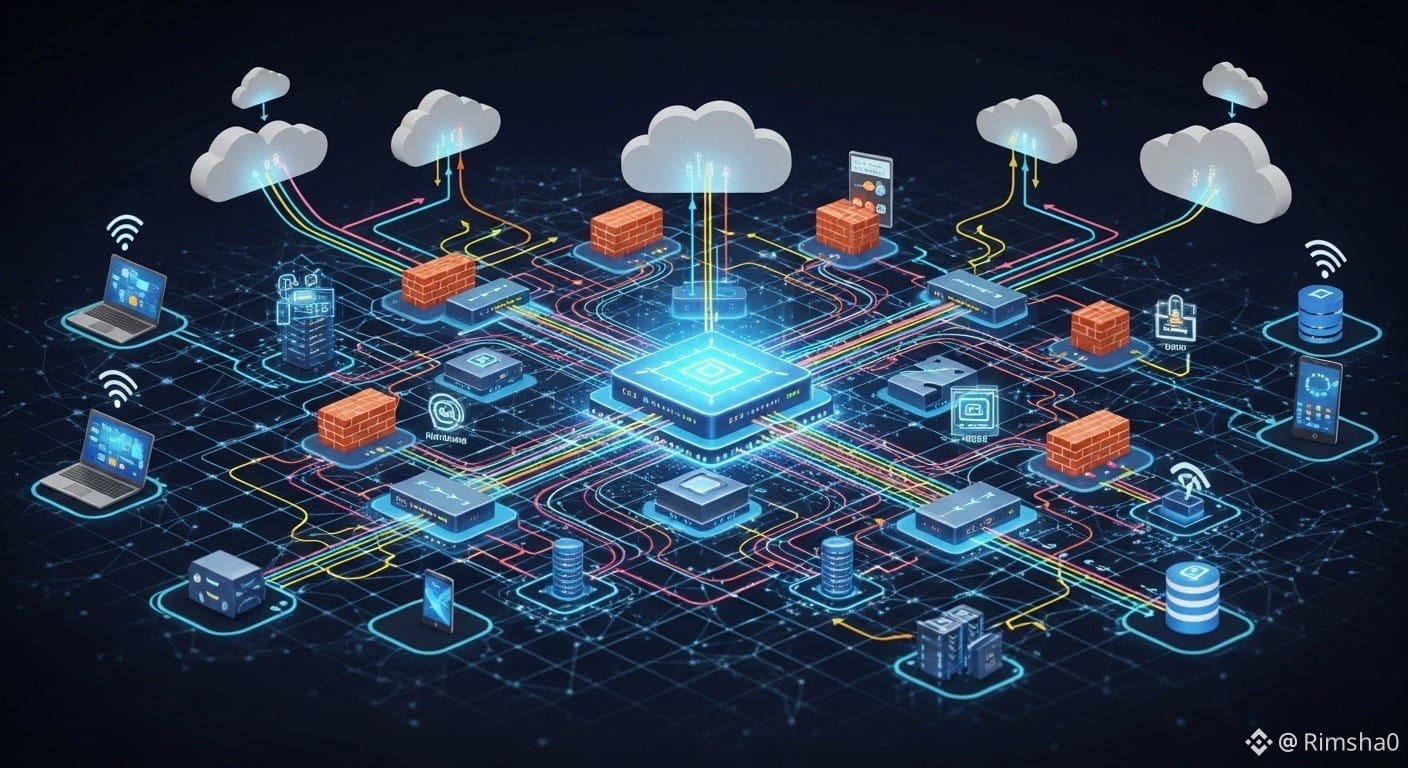
The system handles data differently from normal chains by separating the concerns of consensus from storage. While transactions and state transitions are secured on the base layer—leveraging the high throughput and security guarantees of the underlying ledger—large data blobs are stored off‑chain in a manner that retains cryptographic linkages to on‑chain events. What this means in practice is that digital assets and their associated data footprints are decoupled in a way that allows the network to scale without sacrificing verifiability. A piece of content, whether it is a medical record, a legal contract, or a game asset, can be anchored to the chain with a succinct cryptographic hash, ensuring integrity while relegating bulk data to the distributed storage fabric. This not only reduces bloat on the core blockchain but also positions the ecosystem to serve use cases that require both confidentiality and accessibility.
Integral to this vision is the Walrus Engine, a protocol layer that orchestrates storage, retrieval, and privacy enforcement across the network. The Engine acts as a mediator between users, applications, and storage nodes, managing data availability, pricing, and quality of service. It implements policy rules that govern who can access data, under what conditions, and at what cost, using programmable privacy primitives that respect user intent. The Engine also serves as a registry for storage providers, evaluating performance metrics and reputation to ensure that the network’s fabric is robust. By abstracting these concerns into a distinct layer, Walrus enables developers to focus on building applications without needing to reinvent the complexities of distributed storage management.
But the Engine is not a static piece of middleware; it is designed to work in concert with AI agents that interact with the network and digital assets in ways that blur the line between passive storage and active computation. These intelligent agents are tasked with a variety of roles, from proactively managing data redundancy to optimizing retrieval paths and negotiating service terms with storage providers. Through machine learning models that analyze usage patterns, network conditions, and cost variables, the agents can anticipate demand and adjust parameters in real time. For example, if an application experiences a surge in data requests due to a viral event, the agents can allocate additional resources to maintain performance while balancing economic efficiency. This interplay between AI and blockchain extends to smart contract execution as well, where agents can suggest optimal configurations, trigger automated actions based on predefined criteria, or even respond to emergent conditions without human intervention.
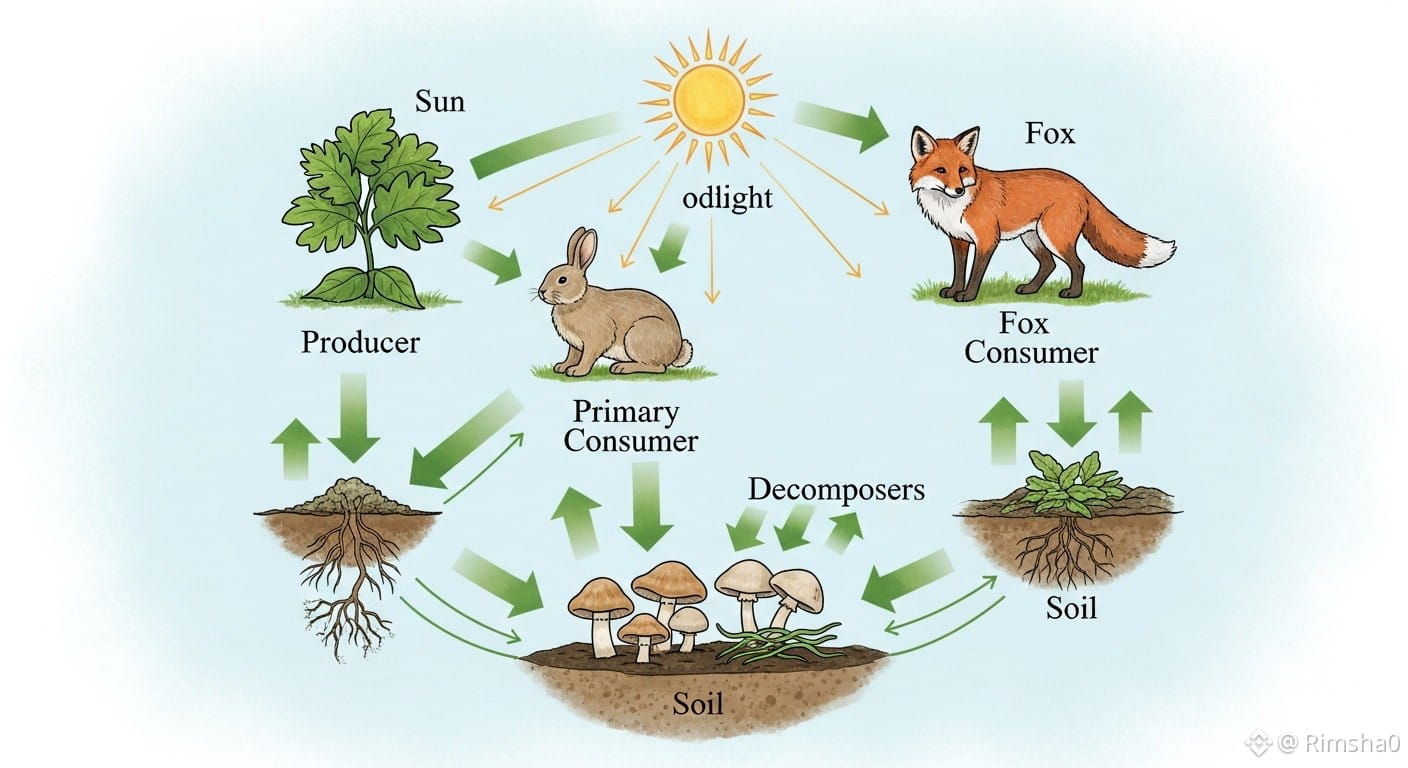
Within the broader ecosystem model, multiple actors contribute to the health and growth of the network. End users interact with applications that leverage Walrus’s storage and computation layers, benefiting from privacy guarantees and performance that rival centralized alternatives. Developers build on open protocols and SDKs, creating services that range from decentralized social platforms to compliance‑aware document systems for regulated industries. Validators secure the base layer, participating in consensus to validate transactions and maintain the chain’s integrity. Storage providers contribute capacity and uptime, earning rewards for their commitments to availability and service quality. AI agents, both autonomous and developer‑configured, act as intermediaries that enhance efficiency and reliability. Real‑world assets, tokenized on the platform, find representation through cryptographic anchors and metadata stored within the distributed fabric, enabling applications in supply chain provenance, digital identity, and asset financing.
Consensus on Walrus is practical rather than idealistic. Recognizing that theoretical purity often falters in the face of realworld constraints, the protocol adopts a hybrid consensus model that leverages proven mechanisms for security while embracing flexibility for performance. Instead of insisting on full replication of all state across every node, the system differentiates roles: a subset of robust validators focus on transaction ordering and cryptographic finality, while specialized nodes support data availability and routing. This layered approach reduces redundant work and acknowledges that not all participants need to process every aspect of the system to contribute meaningfully. By tuning the consensus parameters to balance decentralization with throughput, Walrus aims to support high transaction volumes without compromising the fundamental trust properties that define blockchain technology.
Transaction fees on Walrus are designed to support real‑world use cases such as gaming, micropayments, and live applications where predictable and low costs are essential. Traditional fee markets can be volatile, pricing out use cases that involve frequent small interactions. Walrus addresses this by introducing a dual‑fee model: a base layer fee that secures the network and a service layer fee that compensates storage providers and AI agents for their contributions. The service layer fees are calibrated according to usage and quality of service, with mechanisms to smooth out spikes and offer options for prepaid credits or subscription models. By aligning fees with the economic realities of diverse applications, the network positions itself to host services that demand both performance and affordability, from decentralized games with thousands of microtransactions per second to IoT networks that transmit sparse but continuous data.
Sustainability and carbon neutrality are core considerations in the platform’s design, an increasingly important factor for institutional adoption. Rather than relying exclusively on energy‑intensive proof‑of‑work models or unconstrained validator competition, Walrus’s hybrid consensus and storage networks aim to minimize redundant computation and encourage efficient resource usage. Storage providers are assessed not only on uptime but also on energy efficiency metrics, incentivizing environmentally conscious infrastructure. As institutions evaluate decentralized technologies, the ability to cite measurable sustainability practices becomes a competitive advantage, positioning Walrus as a platform that can meet both regulatory and corporate responsibility standards.
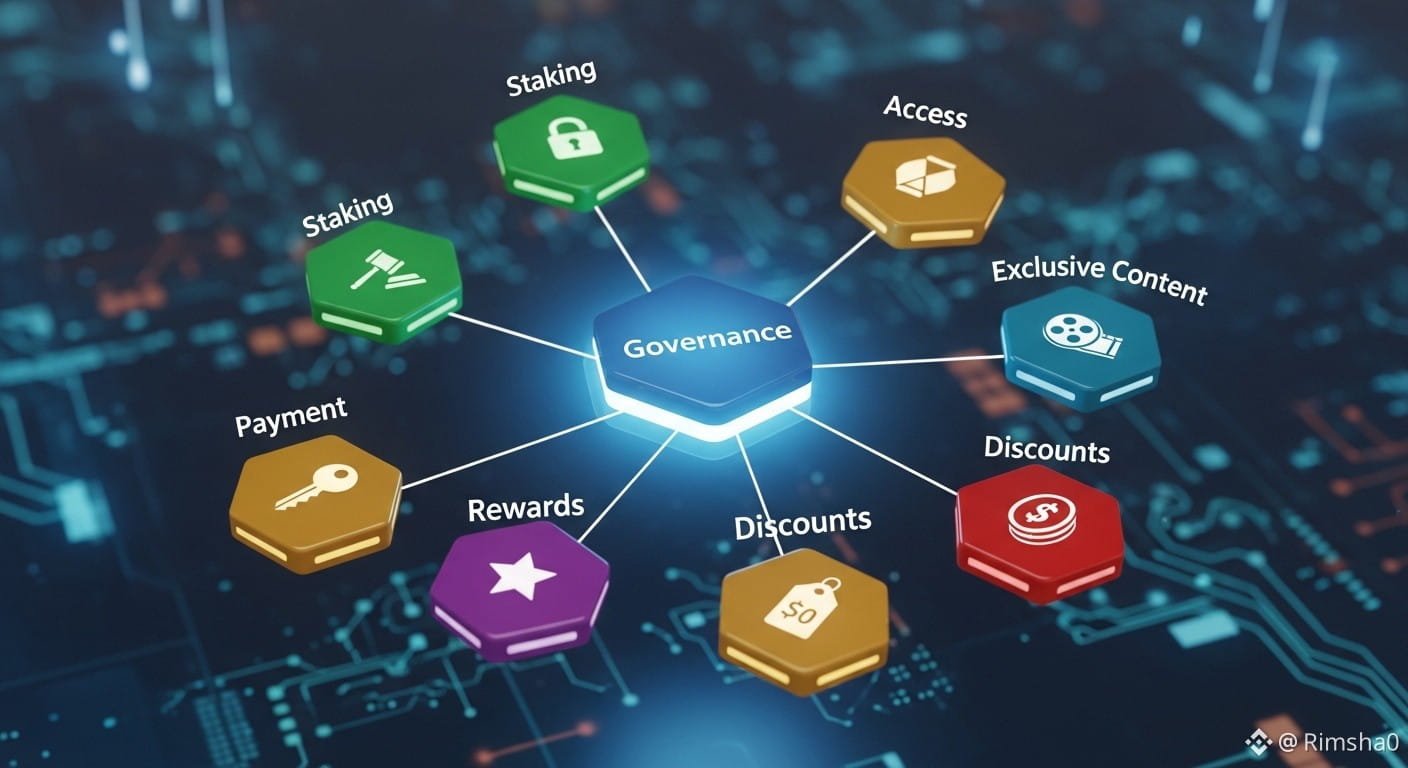
Tokenomics within Walrus is crafted to support long‑term ecosystem health without resorting to speculative incentives. The supply design introduces a capped monetary base that gradually unlocks over time according to network milestones and utility thresholds. Emissions are structured to reward validators for securing the base layer, storage providers for contributing reliable capacity, and developers for building impactful applications. A portion of the emission schedule is set aside for community rewards, including grants for open‑source contributions and incentives for early adopters who help bootstrap network effects. Importantly, the tokenomics narrative emphasizes alignment: rewards are distributed in ways that reinforce participation that benefits the entire ecosystem rather than short‑term trading activity. Validator incentives are tied to performance and uptime, developer funding is contingent on achieving delivery milestones, and community rewards are structured to encourage sustained engagement and contribution. This narrative approach to tokenomics avoids crude price speculation and instead situates the native token as a utility and coordination mechanism within a complex, multi‑actor environment.
Connecting Walrus to real‑world asset tokenization, payments, gaming, and digital economies reveals the breadth of possibilities when infrastructure is built for utility. Tokenized equities, property rights, or supply chain instruments can be anchored into the distributed storage layer with privacy controls that meet regulatory requirements. Payments can flow through programmable rails that tie off‑chain value movements to on‑chain events, enabling seamless settlement across jurisdictions. Gaming ecosystems benefit from decentralized storage of assets and state, reducing reliance on centralized servers and enabling true user ownership. These use cases illustrate how the platform’s design supports diverse economic activities that extend well beyond simple transfers of value.
Compatibility with Ethereum and EVM matters deeply for developers. By offering bridges and interoperability with the dominant smart contract ecosystem, Walrus lowers the barrier to entry for a vast base of existing tooling, talent, and applications. Developers can port Solidity contracts or integrate with familiar wallets, tapping into established networks while benefiting from Walrus’s unique capabilities. This strategic compatibility serves as a bridge between innovation and adoption, recognizing that technical excellence must coincide with developer accessibility.
A modular multi‑layer tech stack underpins all of this, with a runtime layer for transaction processing, an AI layer for intelligent orchestration, a specialized storage layer for distributed data, and bridges for cross‑chain connectivity. Each layer is designed to evolve independently, enabling upgrades and specialization without necessitating disruptive hard forks. This modularity reflects a mature engineering mindset that anticipates growth and complexity rather than reacting to it.
Ecosystem growth is measured in executed milestones, partnerships that unlock real utility, and products that deliver measurable value. Strategic collaborations with enterprise partners exploring decentralized storage solutions, integrations with compliance frameworks, and the launch of developer toolkits all signal progress grounded in execution rather than hype. Product launches that demonstrate real user engagement, whether in decentralizing content platforms or securing critical data services, further validate the ecosystem thesis.
In reflecting on Walrus’s potential and risks, it is clear that the project embodies a thoughtful balance of ambition and pragmatism. Its focus on privacy, scalable storage, and intelligent automation addresses genuine pain points in the current landscape. Yet challenges remain: adoption requires not just technical readiness but user and developer education; governance mechanisms must evolve to handle diverse stakeholder interests; and competition from other infrastructure projects necessitates continuous innovation. The path forward demands patience, rigorous execution, and a commitment to long‑term utility over short‑term attention. In this light, Walrus positions itself not as a fleeting innovation but as a contender in the enduring effort to realize a more capable, equitable, and intelligent Web3.