
When thinking about Plasma, I don’t frame it as a race to attract the most apps. I frame it as a question of economic density. @Plasma isn’t optimizing for how many dApps exist on the chain, but for how much real value actually moves through it.
This is an important distinction. Many ecosystems look busy on the surface, yet generate very little sustainable activity. Plasma’s focus on payments and stablecoin flows suggests a different approach: fewer applications, but each one doing real volume, consistently. That’s the kind of usage that creates predictable fees, stable demand, and long-term relevance.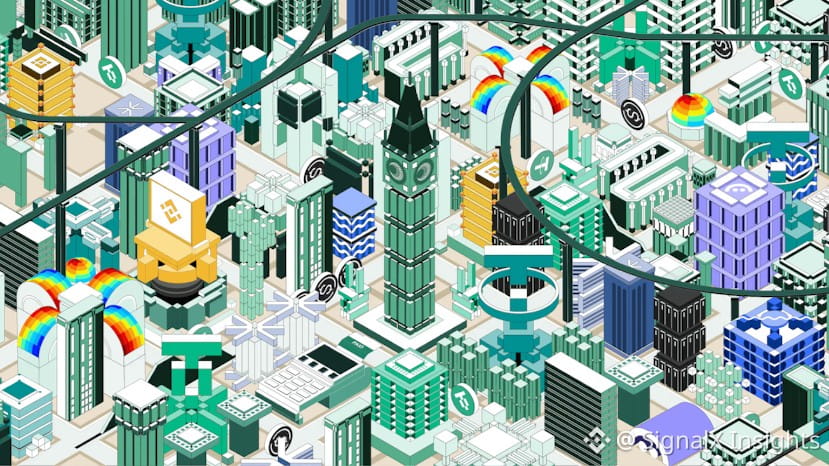
If Plasma succeeds here, adoption won’t look explosive—it will look gradual and sticky. Payment rails don’t spike overnight, but once embedded, they’re hard to replace. That’s where infrastructure projects quietly compound while attention stays elsewhere.
For $XPL , this path matters. Tokens tied to speculative growth rely on sentiment. Tokens tied to transaction flow rely on necessity. As usage grows, $XPL’s role becomes structural rather than narrative-driven.
Plasma doesn’t need to win headlines to win its market. It needs repeat users, reliable throughput, and fees that reflect real demand. If those metrics trend up together, the positioning speaks for itself.