I’ve been around crypto long enough to see Layer 1 narratives come and go. Every chain says it’s faster, cheaper, more scalable — and sure, many are. But speed alone doesn’t make something usable. What really matters is how a network feels when a normal person tries to use it. That’s where Plasma stands out to me.

The first thing that clicked in my head was this: Plasma is built like stablecoins are the main character, not a side feature. Most blockchains treat stablecoins like apps sitting on top. Useful, yes, but not the priority. Plasma flips that. The chain is designed with the idea that digital dollars — USDT, USDC, that type of value — are what people actually want to move every day. Trading, paying, sending money home… that’s the real activity.
And because of that focus, the user experience feels more grounded in reality. Plasma is fully EVM compatible, which is huge but in a very practical way. Developers don’t have to start from zero. If you’ve built on Ethereum before, Plasma doesn’t feel foreign. Same smart contract logic, similar tools, familiar wallets. That matters because ecosystems grow where builders feel comfortable, not where they have to relearn everything.
Now let’s talk about gas, because honestly this is where most new users get lost. On many networks, you want to send USDT… but first you need the native token for gas. So you buy that, swap, manage balances — headache. Plasma’s stablecoin-first gas model is such a simple but powerful idea: let people operate mainly in stablecoins. Even better, gasless USDT transfers mean the end user doesn’t feel that friction at all. From an adoption perspective, that’s massive. People understand “send dollars.” They don’t understand “buy this other token just to unlock your dollars.”
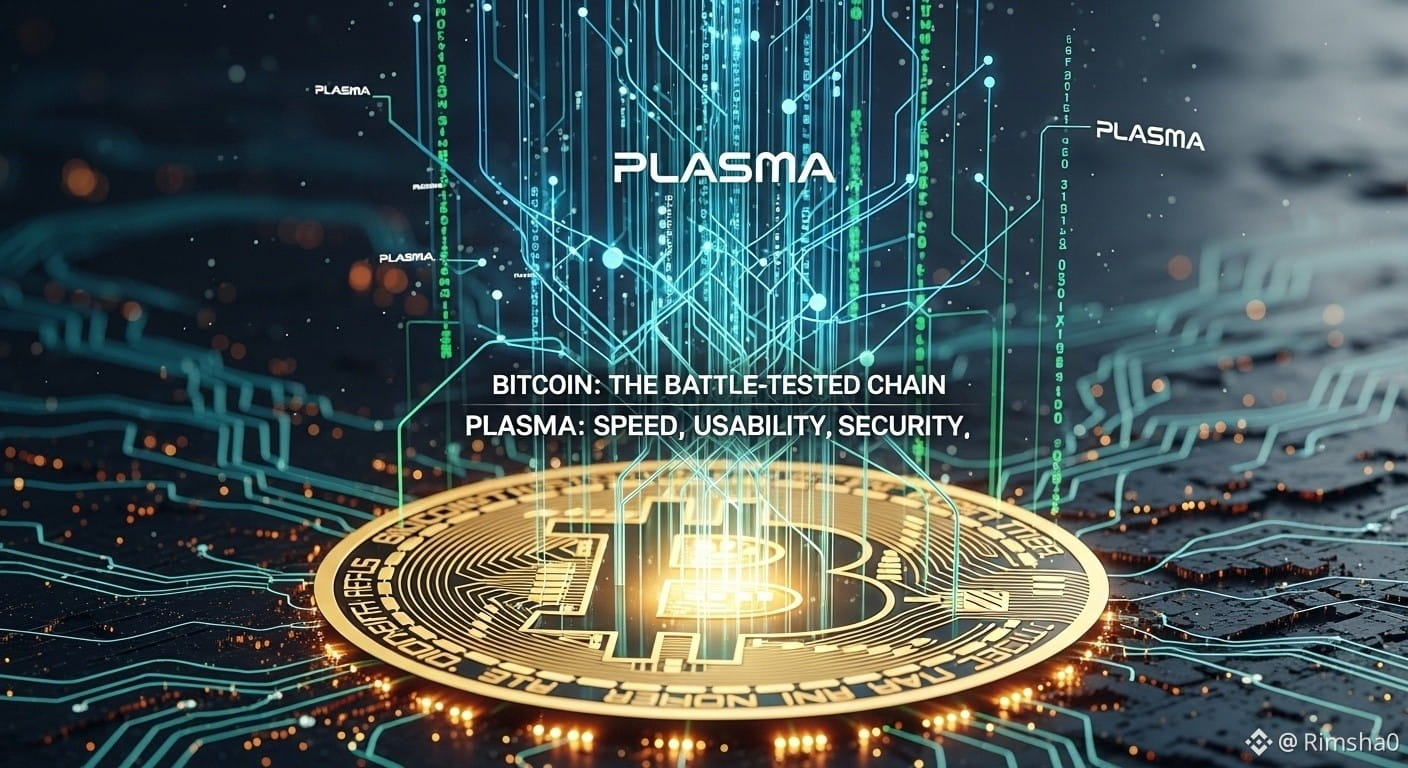
Security-wise, the Bitcoin-anchored element is another layer of reassurance. Bitcoin is still the most battle-tested chain out there. Tying Plasma’s security foundations to Bitcoin’s robustness adds a sense of weight and seriousness. It’s like saying, “We want speed and usability, but not at the cost of security.” That balance is hard to get right.
Where this all comes together is in real-world use. Payments are the obvious one. Imagine merchants accepting stablecoins that settle almost instantly, without worrying about volatile gas fees or confirmation delays. That’s a smoother experience than many traditional cross-border payment systems. For remittances, it’s even more meaningful. People sending money to family don’t care about block times or consensus models — they care that funds arrive fast, cheaply, and reliably. Plasma’s design directly serves that need.
Fintech builders also get a clean foundation. Wallets, payment apps, subscription services, microtransactions — all the stuff that needs predictable fees and fast settlement — can plug into a chain where stablecoins are native to the experience, not awkward guests.
What I appreciate most is that Plasma doesn’t feel like it’s chasing hype cycles. It feels like infrastructure thinking. Less “number go up,” more “how do we make digital money move like the internet moves data?” That mindset is what crypto needs if it’s going to serve everyday users, not just traders.
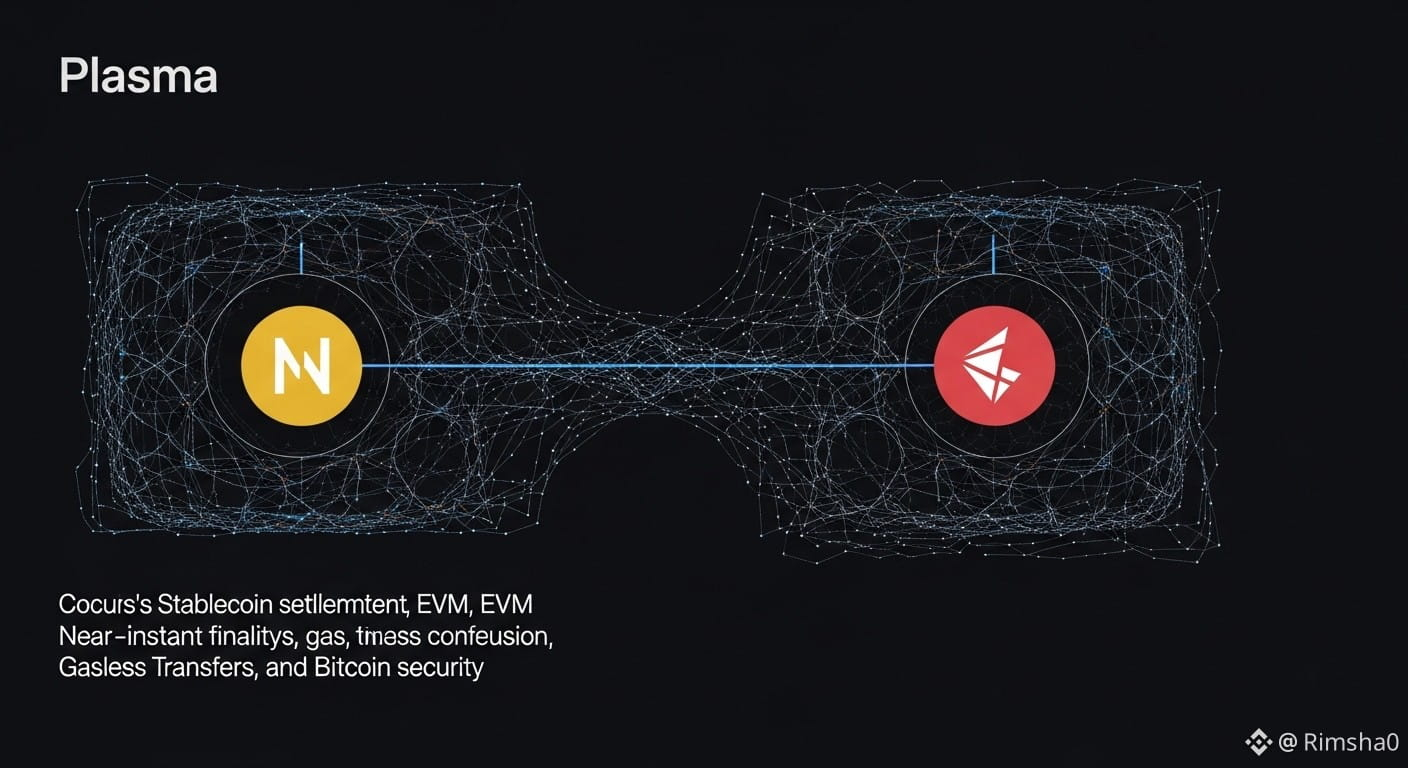
At the end of the day, mainstream adoption won’t happen because a chain is 10% faster in a benchmark. It’ll happen when sending value feels as normal as sending a message — no gas confusion, no waiting games, no technical stress. Plasma’s focus on stablecoin settlement, EVM familiarity, near-instant finality, gasless transfers, and Bitcoin-rooted security feels like a step toward that reality. Not loud, not flashy — just quietly practical, and honestly, that’s refreshing.