The Case for a Bullish Bitcoin: Why the "Digital Gold" Thesis is Gaining Ground$BTC
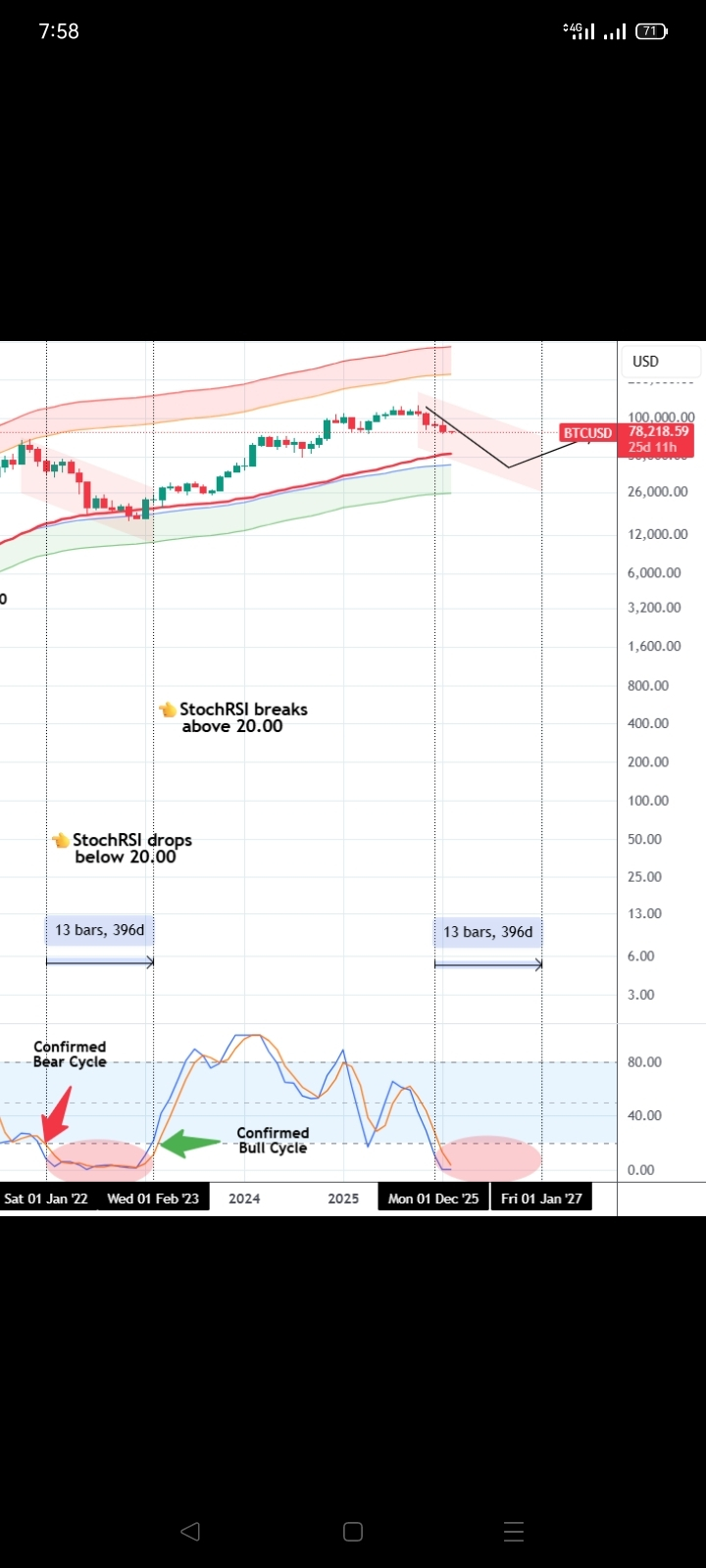
As of February 2026, the Bitcoin market finds itself at a fascinating crossroads. While short-term price action has tested the nerves of retail investors—with prices currently hovering around $71,000 after a pullback from October’s all-time high of $126,000—the underlying fundamental case for Bitcoin has never been more robust.
For those looking beyond the daily "candle" charts, the "Bullish Bitcoin" narrative is no longer just about speculative mania; it’s about the structural transformation of a global financial asset.
1. The Institutional "Hard Floor"
In previous cycles, Bitcoin was driven largely by retail FOMO (fear of missing out). In 2026, the landscape is dominated by Institutional Certainty.
* ETF Dominance: Spot Bitcoin ETFs now manage over $115 billion in combined assets. These aren't just numbers; they represent "sticky" capital from pension funds and 401(k) allocations that don't vanish during a weekend dip.
* Corporate Treasury Adoption: Following the lead of pioneers like Strategy (formerly MicroStrategy), more corporations are adopting a "Bitcoin Treasury Reserve" policy. Recently, firms like Northern Minerals & Exploration have officially integrated BTC as a primary reserve asset, citing its mathematically capped supply of 21 million as superior to traditional cash reserves.
2. Scarcity by the Numbers
The "Stock-to-Flow" logic remains a powerful driver for bulls. Following the 2024 halving, the daily issuance of new Bitcoin remains at just 450 BTC.
| Metric | Status (Feb 2026) |
|---|---|
| Total Supply Mined | ≈ 19.68 Million BTC (93.7%) |
| Remaining to Mine | < 1.32 Million BTC |
| Current Block Reward | 3.125 BTC |
| Next Halving | Expected April 2028 |
With less than 7% of the total supply left to be mined, any significant increase in demand—whether from sovereign wealth funds or renewed retail interest—encounters an incredibly "inelastic" supply, often resulting in parabolic price moves.
3. The "Network Effect" and Security
A common bear argument is that Bitcoin is "old tech." However, the network’s security is at an all-time high.
* Hash Rate Stability: Despite price volatility, the network's hash rate remains near record peaks, signaling that miners are continuing to invest in infrastructure for the long haul.
* Layer 2 Evolution: The development of the Lightning Network and other Layer 2 solutions is slowly solving the scalability problem, allowing Bitcoin to act as both a Store of Value and a Medium of Exchange without clogging the main blockchain.
4. Macro Conditions: The Debasement Hedge
In an era of global economic shifts and "Tariff Tantrums," Bitcoin’s lack of counterparty risk is its greatest strength.
> "Bitcoin is a unique asset. It can't be controlled by any person, company, or government because it's fully decentralized."
>
As traditional currencies face inflationary pressures, Bitcoin’s "hard money" status makes it the primary beneficiary of the debasement hedge trade, alongside gold and silver.
The Bottom Line
While the current 40% drawdown from the 2025 highs might look scary on a screen, many analysts view this as a "re-accumulation phase." Historically, Bitcoin has suffered multiple 70% crashes only to emerge stronger. In 2026, with the "four-year cycle" maturing into a more stable institutional asset class, the path to $150,000 remains a core focus for the long-term bull.
Would you like me to analyze the specific technical indicators, such as the 200-week moving average, to see where the current market bottom might be?