LET'S TALK ABOUT VANAR CHAIN
Most people do not avoid Web3 because they hate the idea of owning digital things. They avoid it because it feels like stress. It feels like confusing steps, random fees, scary wallet moments, and that lingering fear that one mistake will cost you. I’m not saying everyone thinks about it that way in words, but you can see it in behavior. The moment something feels risky or slow or unpredictable, people close the app and never come back. Vanar is trying to build from that emotional truth first. They present Vanar as an L1 blockchain built from the ground up for real world adoption, with a team mindset shaped by games, entertainment, and brands, where user experience is not optional. In those industries, if it breaks once, people roast it publicly and move on. So Vanar is built to make Web3 feel normal, calm, and usable for everyday consumers, not only for crypto natives.
What makes their approach feel grounded is that Vanar is not only talking about being a base layer. They keep connecting the chain to consumer-facing products in their ecosystem, especially Virtua Metaverse and the VGN games network. That matters because consumer products punish bad design instantly. If a game feels clunky, people uninstall. If a brand drop has friction, people call it a scam. If the chain underneath creates delays or surprise costs, the product loses trust. Vanar’s story is basically this: they want to bring the next 3 billion people by making the chain feel invisible, predictable, and safe enough that users stay focused on the experience.
How It Works
When you boil a blockchain down, it is a shared machine that records actions and runs apps in a way everyone can agree on. The problem is that most chains were designed around technical ideals first, and only later tried to patch in a better user experience. Vanar tries to flip that. One big design goal they highlight is predictable cost. Vanar documentation describes fixed fees that aim to keep transaction costs stable in dollar terms, instead of letting fees swing wildly when the token price moves. This is not a small detail, because the emotional difference is huge. If fees feel predictable, users click without fear. If fees feel random, every click feels like gambling. It’s built to remove that little spike of anxiety that stops people from exploring.
Vanar also explains that it starts with a validator setup that prioritizes reliability early on. Their documentation describes a model where the network initially relies on a smaller set of validators run by the foundation, and then expands to external validators through a reputation-based onboarding approach. In plain words, they are trying to avoid the chaos phase that can happen when a network grows too fast without trusted operators. If this happens, meaning if a chain becomes unstable or inconsistent, consumer apps cannot survive on it. Games and entertainment platforms do not wait for you to fix uptime issues. They just leave. So Vanar’s plan is to start with dependable operations and then widen participation in a structured way.
A third piece is how everyday holders can participate without running infrastructure. Vanar documentation describes delegated staking, where the foundation selects reputable validators, and the community can stake VANRY to those validators to help secure the network and earn rewards. The simple human takeaway is that Vanar is trying to create a clean loop: validators keep the network running, and normal users can support them and share in rewards. That makes the network feel less like a product you visit and more like something you belong to.
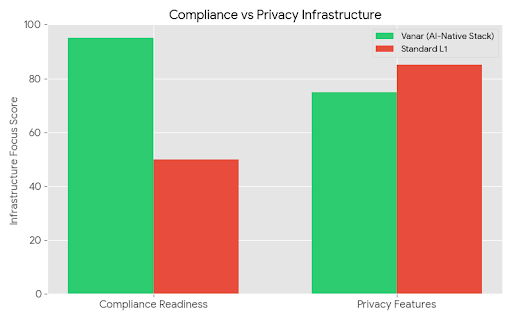
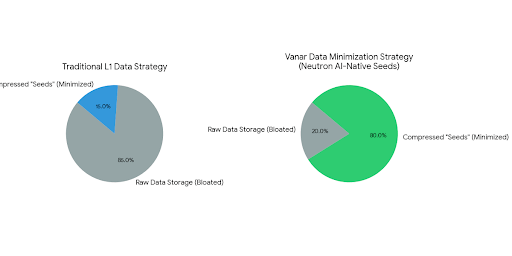
Vanar also positions itself as more than just a transaction chain. Their official site describes a broader stack that includes the base chain plus extra layers designed to store structured data and apply logic and checks directly onchain. If I translate that into normal language, they are saying this: real world apps need more than token transfers. They need data you can trust, rules you can enforce, and outcomes you can verify, especially when brands and large communities are involved. It’s built to support those needs without forcing every app team to invent their own complicated workaround.
Ecosystem Design
Vanar’s ecosystem design makes the most sense when you see it as an adoption machine, not a technical showcase. They focus on mainstream verticals like gaming, metaverse-style experiences, and brand solutions because those spaces already have massive user bases and built-in emotional energy. People enter a game because they want fun, progress, and community. People enter a brand experience because they want identity and belonging. If Web3 shows up inside those moments, it feels less like a new world and more like an upgrade to something people already understand.
Virtua is a key part of that story. Virtua positions itself around digital collectibles, a marketplace, and metaverse experiences, and Vanar presents it as a known product in the ecosystem. The reason this matters is emotional, not only technical. When people buy a digital item, what they really want is the feeling that it is truly theirs, that it has value, and that it can live beyond one app. If this happens, meaning if digital ownership becomes easy and useful inside mainstream experiences, people stop treating NFTs like a weird internet phase and start treating them like real digital property.
Then there is VGN, which is about onboarding and reducing fear. Vanar’s own blog describes an SSO approach that lets players enter the VGN games network from existing Web2 games, experiencing Web3 without needing to learn wallets and complex steps first. This is a big deal because the hardest part of adoption is the first five minutes. People do not want to feel like they are taking a test just to try a new game feature. They want to click and go. It’s built to protect that first moment, the moment when curiosity can turn into love, or into instant rejection.
Utility and Rewards
VANRY is presented as the fuel that makes everything work. Vanar documentation explains VANRY as the native token used for transaction fees and smart contract operations on the chain, and it also ties into staking. That gives the token a clear job. It is not only a symbol. It is what you use when you actually do things. If you send assets, interact with apps, or mint items, you need VANRY for the network cost. That is the simple baseline utility.
Where it becomes more emotionally meaningful is staking. Vanar describes a delegated staking model where users can stake VANRY to support validators, strengthen the network, and earn rewards. Rewards matter because they change how people behave. When people earn from a system, they pay attention. They want it to succeed. They become advocates, not just visitors. If this happens at scale, it can turn a chain from a place people pass through into a place people help protect.
VANRY also plays a role in the network’s ability to connect with the wider crypto world, without forcing users to start from zero. Vanar’s whitepaper describes introducing a wrapped version of VANRY in the ERC20 format to support interoperability, mentioning availability on Ethereum. In plain terms, it means VANRY can be represented in a common token format used in other ecosystems, which can help with moving value across networks. The emotional value here is freedom. People feel safer joining an ecosystem when they do not feel trapped inside it.
Adoption
Adoption is where everything gets real. It is not about what sounds good in a document. It is about whether normal people come back tomorrow. Vanar’s adoption strategy is to hide complexity and amplify comfort. Predictable fees reduce the fear of clicking. SSO style onboarding reduces the fear of starting. Consumer products like Virtua and VGN create a reason to show up that is emotional and familiar, not technical.
This is why the team’s focus on games and entertainment is more than a marketing angle. Games train behavior. They teach people how to use new interfaces through play. They build habits through daily rewards and community identity. If Vanar can power game networks where ownership and trading feel as smooth as normal in-game items, Web3 becomes less of a concept and more of a natural feature. And when brands come in, the same logic applies. Brands do not want users to feel confused. They want users to feel special. If the underlying chain helps deliver that feeling, partnerships become easier and adoption compounds.
What Comes Next
The next phase for Vanar is about proving that this approach can scale without losing the calm feeling that makes it attractive. It is one thing to say the chain is low cost and built for consumers. It is another thing to keep that promise when activity spikes, when users flood in, and when apps demand a smooth experience at all times. Vanar’s fixed fee approach is designed to keep user costs stable even when markets are noisy. If this happens the way they intend, it can unlock a kind of everyday usage that most chains struggle to support, especially in gaming where users might do many small actions in one session.
On the network side, the reputation-based validator onboarding approach suggests a path where decentralization grows step by step, while reliability stays high. On the ecosystem side, the continued growth of Virtua and VGN style products can serve as both adoption channels and real stress tests. And on the broader platform side, Vanar’s stack vision suggests they want to support not just fun consumer moments, but also structured data and rule-based use cases that real businesses care about.
Closing
I think Vanar matters because it is aiming at the part of Web3 that actually decides the future: human feelings. People do not adopt technology because it is clever. They adopt it because it makes life easier, safer, and more enjoyable. Vanar is built to remove the fear points that keep normal people away, like unpredictable fees and heavy onboarding, while leaning into the experiences that already move billions of users, like games, entertainment, and brands. If this happens at scale, Web3 stops being a niche world you have to study, and starts becoming a layer that quietly powers everyday digital ownership in the background. That is the kind of shift that can bring the next wave of users, not by forcing them to learn crypto, but by letting them feel the benefits without the stress.