
In the fast-moving universe of Web3, where innovation feels like a race against time, Fogo is emerging as a bold and powerful force. It is not just another Layer 1 blockchain trying to follow trends. Fogo is built with a clear mission: to deliver extreme performance while keeping things simple enough for real people to use. At its heart, Fogo runs on the Solana Virtual Machine, often called SVM, which means it carries the same powerful execution environment that made Solana famous for speed and efficiency. But Fogo is not copying. It is building its own identity around performance, scalability, and future-ready infrastructure.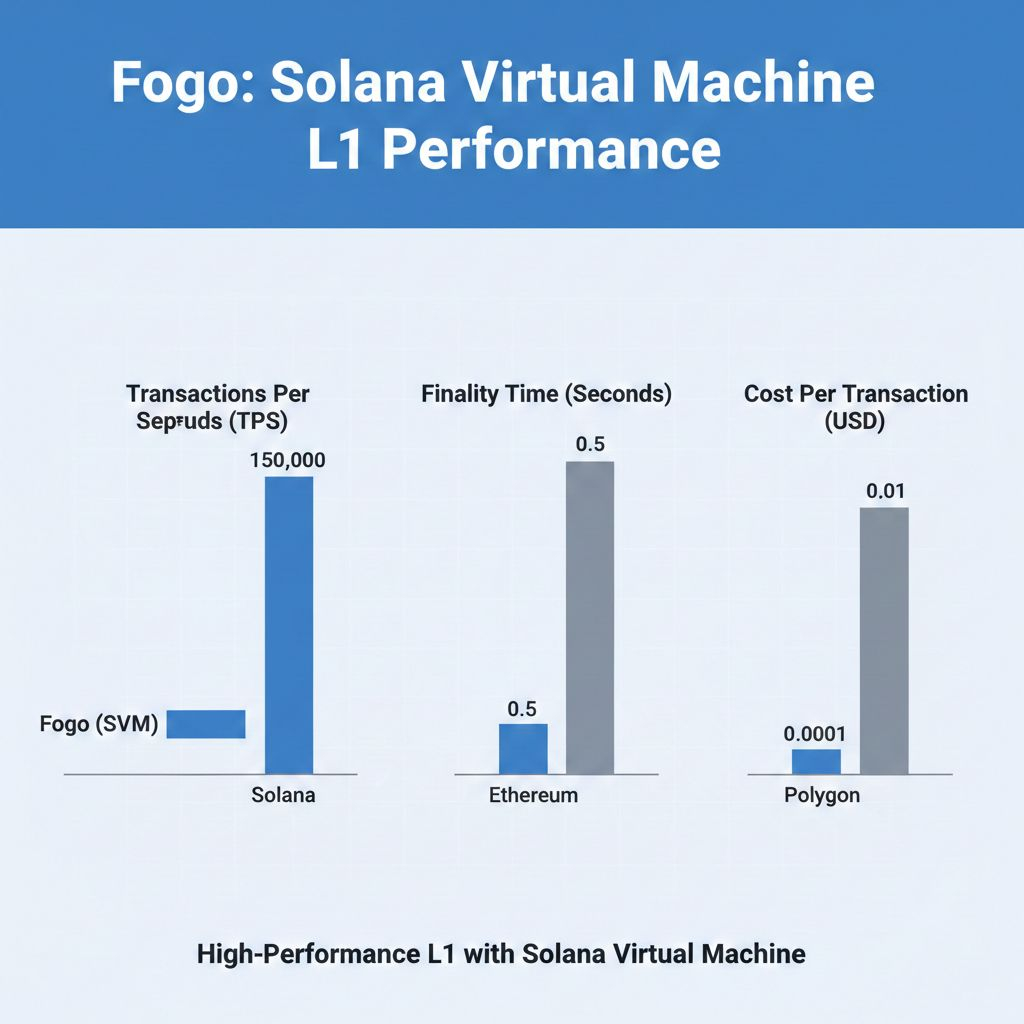
To understand why Fogo feels exciting, you have to understand what makes a blockchain powerful in the first place. A Layer 1 blockchain is the base network. It is the foundation where transactions are recorded, smart contracts are executed, and decentralized applications are built. Many blockchains promise speed, but when too many users arrive, networks slow down, fees rise, and the experience becomes frustrating. Fogo is designed to avoid that trap. By using the Solana Virtual Machine, it benefits from parallel transaction processing. This means many transactions can be handled at the same time instead of waiting in a long line. The result is faster confirmations, lower costs, and smoother performance even when demand grows.
Behind every high-performance blockchain is a deep architectural vision. Fogo focuses on efficient execution, optimized consensus, and smart resource management. Instead of wasting computing power, it aims to maximize throughput while keeping the network stable. This is important because Web3 is moving beyond simple token transfers. Today’s decentralized applications include games, financial systems, social platforms, AI tools, and even real-world asset tokenization. These applications need a blockchain that feels instant and reliable. Fogo is building with that future in mind.
The use of the Solana Virtual Machine opens strong opportunities for developers. It means developers who already understand Solana’s programming environment can build on Fogo more easily. This reduces the learning curve and encourages innovation. When developers feel comfortable, they build faster. When they build faster, users get better products. That cycle of growth is what transforms a blockchain from a technical experiment into a living ecosystem.
But performance alone is not enough. The real excitement around Fogo comes from its long-term vision. The future of blockchain is not just about crypto trading. It is about digital ownership, decentralized identity, transparent financial systems, and borderless applications. Fogo is positioning itself as infrastructure for that new digital world. Its roadmap is expected to focus on scalability upgrades, stronger security layers, and ecosystem expansion through partnerships and developer incentives. These elements matter because blockchains survive not just by technology, but by community.
Security remains a central pillar in Fogo’s journey. In a decentralized system, there is no central authority to fix mistakes. That means the network must be strong from the beginning. By carefully designing validator systems and consensus mechanisms, Fogo aims to maintain trust while keeping performance high. Balancing speed and security is one of the hardest challenges in blockchain design. Fogo’s architecture is built to handle both without sacrificing decentralization.
Looking ahead, the future plans for Fogo likely include cross-chain compatibility. The blockchain world is not isolated anymore. Networks need to communicate with each other. Assets move between ecosystems. Data flows across chains. Fogo can expand its influence by enabling seamless bridges and interoperability. This would allow developers to tap into liquidity and users from multiple ecosystems without friction. In simple words, it means people can move their digital assets easily and safely between different blockchains.
Another powerful direction for Fogo is supporting real-world applications. As governments, enterprises, and startups explore blockchain adoption, they need networks that can handle large-scale usage. High transaction speed and low fees are not luxuries; they are requirements. Fogo’s performance-driven design makes it suitable for payments, decentralized finance platforms, NFT ecosystems, gaming networks, and even supply chain tracking systems. When a blockchain becomes fast enough to feel invisible, mainstream adoption becomes possible.
The bigger picture behind Fogo is part of a wider blockchain evolution. The first generation of blockchains proved decentralization was possible. The second generation introduced smart contracts and decentralized finance. Now the world is entering a stage where blockchains must compete with traditional internet systems in speed and user experience. Fogo represents this next stage. It is built not just to exist, but to compete with centralized platforms in performance while keeping decentralization intact.
In simple words, Fogo wants to make blockchain powerful without making it complicated. It combines the strength of the Solana Virtual Machine with its own vision of scalability and reliability. Its future depends on continuous innovation, strong community growth, and real-world use cases. If it succeeds, Fogo could become one of the key foundations of the decentralized internet, powering applications that millions, or even billions, of people use every day without even thinking about the technology underneath.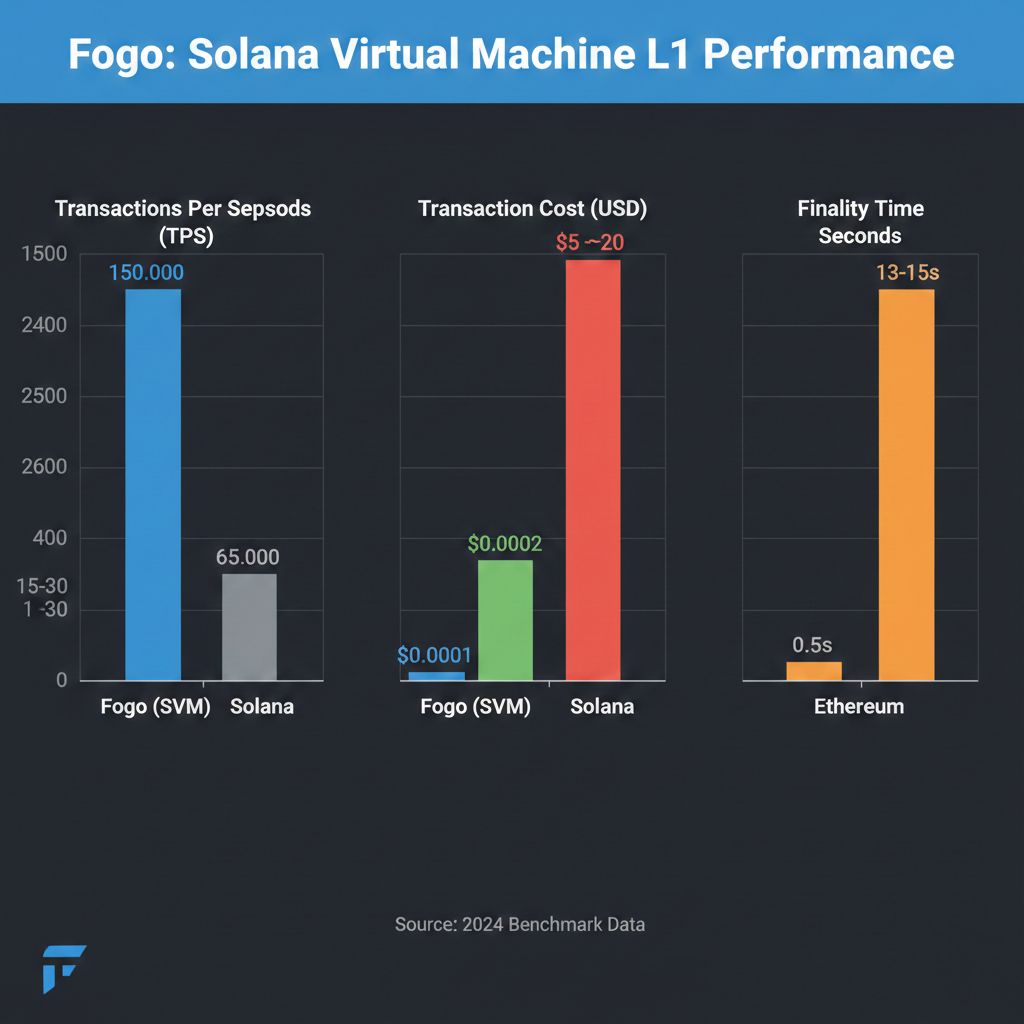
The blockchain revolution is still in its early chapters. New networks are rising, each trying to solve old problems in better ways. Fogo stands out because it focuses on performance as a gateway to mass adoption. In a world that demands speed, simplicity, and security, Fogo is preparing itself not just to participate in the Web3 movement, but to accelerate it into the future.
