
In a world where blockchains are racing to become faster, cheaper, and more powerful, a new name is rising with bold ambition. Fogo is not just another Layer 1 chain trying to survive in a crowded market. It is built with fire in its spirit, designed to move at blazing speed, and powered by the Solana Virtual Machine, the same execution engine that gives Solana its lightning-fast performance. But Fogo is not copying the past. It is trying to push the limits of what is possible in the future of decentralized technology.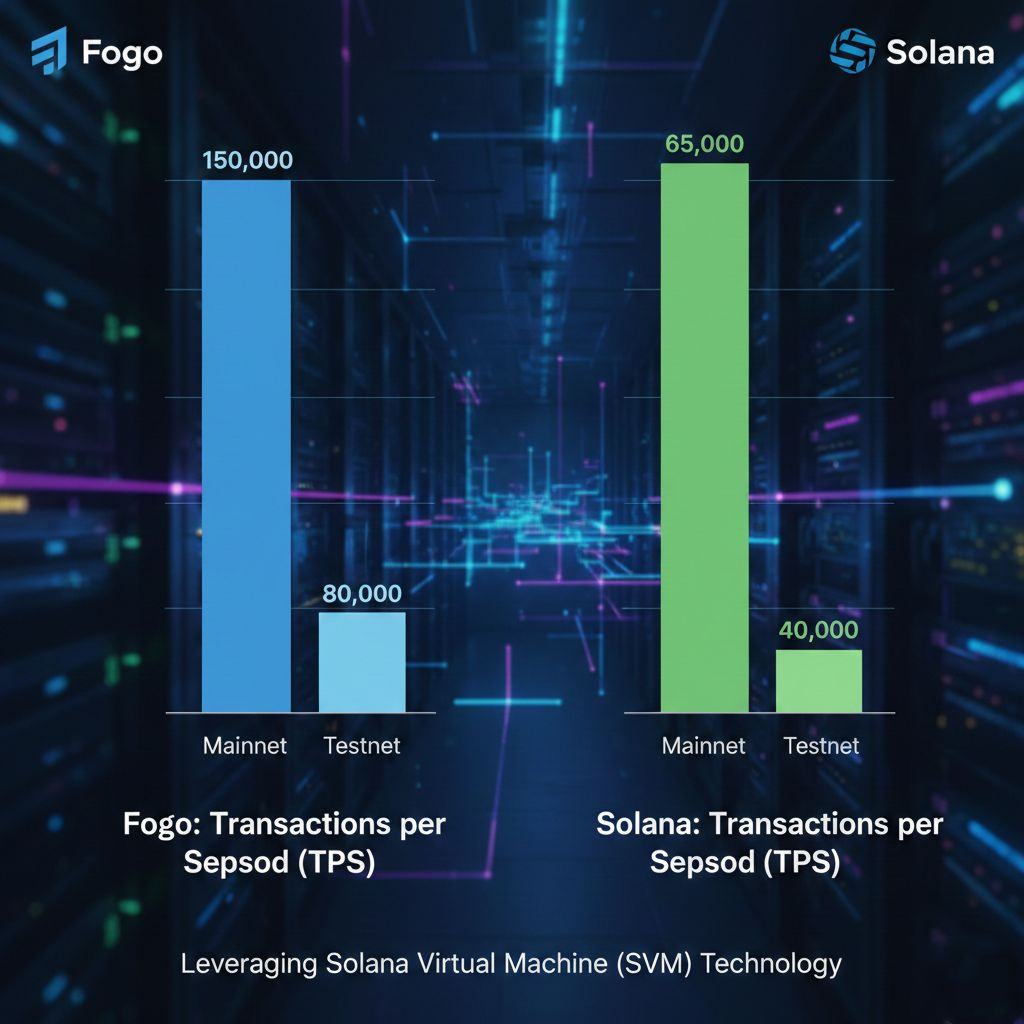
To understand why Fogo matters, we first need to understand what a Layer 1 blockchain really is. A Layer 1 is the base network. It is the foundation where transactions are processed, smart contracts run, and security is maintained. Famous Layer 1 blockchains like Ethereum changed the world by introducing smart contracts, allowing developers to build apps that run without central control. But as more people joined, problems appeared. Networks became slow. Fees became expensive. Users waited longer. Developers searched for better performance.
That is where Fogo steps in with confidence and energy. By using the Solana Virtual Machine, often called SVM, Fogo inherits a powerful engine that is known for high throughput and parallel transaction processing. In simple words, this means Fogo can handle many transactions at the same time instead of processing them one by one. Imagine a highway with many open lanes instead of a single narrow road. Traffic flows smoothly. Cars move faster. Delays are reduced. That is the kind of experience Fogo wants to offer to users and developers.
Speed alone is not enough. Security and reliability are just as important. Behind every blockchain, there is a system of validators. These are independent participants who confirm transactions and protect the network from fraud. Fogo aims to build a strong validator community that is distributed around the world. When power is spread out, no single group can control the network. This is the heart of decentralization. It is not just about technology. It is about freedom and fairness.
The choice to use the Solana Virtual Machine is strategic and powerful. Developers who already know how to build on Solana can easily move their skills to Fogo. This reduces the barrier to entry. It invites creators, innovators, and dreamers to build new decentralized applications without starting from zero. Wallets, tools, and smart contract frameworks that support Solana can potentially integrate with Fogo more easily. This creates an ecosystem effect, where growth feeds more growth.
But Fogo is not just about copying another system. Its vision stretches further. It wants to optimize performance even more, experiment with advanced consensus improvements, and fine-tune the network for specialized use cases. Some blockchains try to be general purpose. Fogo appears to be focusing on being extremely efficient and high-performance, possibly targeting areas like decentralized finance, gaming, real-time trading, and on-chain infrastructure where speed is critical.
Think about decentralized exchanges where trades happen in seconds. Think about blockchain games where every move must be recorded instantly. Think about payment systems where delays are unacceptable. In such environments, slow block times can destroy user experience. Fogo’s architecture aims to remove that frustration and replace it with fluid, near-instant interactions.
Behind the scenes, blockchains are not magic. They are systems of cryptography, distributed networks, and consensus algorithms. When someone sends a transaction, it is broadcast to the network. Validators verify that the sender has enough balance and that the transaction is valid. Then it is added to a block. That block becomes part of a long chain of previous blocks, forming a history that cannot easily be changed. This is what makes blockchains trustworthy without needing a central authority.
Fogo’s performance goals mean it must carefully balance speed with decentralization. If a blockchain becomes too fast but requires extremely powerful hardware, fewer people can run validators. That reduces decentralization. If it becomes too slow, users leave. The future success of Fogo depends on finding that perfect balance where performance is high but participation remains open.
Looking ahead, Fogo’s future plans are likely centered on ecosystem growth, developer incentives, and infrastructure expansion. For a blockchain to succeed, it must attract builders. Hackathons, grants, community programs, and partnerships are powerful tools. When developers believe in a chain, they build applications. When applications provide value, users arrive. When users arrive, the network grows stronger.
Interoperability may also be a key part of Fogo’s long-term strategy. The blockchain world is no longer isolated islands. Bridges and cross-chain messaging allow assets and data to move between networks. If Fogo connects smoothly with other major chains, it can become part of a larger digital economy instead of standing alone.
Governance is another important element of the future. Many modern blockchains give token holders the power to vote on upgrades and decisions. This creates a sense of ownership within the community. If Fogo builds strong governance systems, it can evolve over time without losing direction. Blockchains are not finished products. They are living systems that upgrade and adapt.
What makes Fogo thrilling is not only its technology but its ambition. The blockchain industry is still young. We are in the early chapters of a long story. Financial systems are being reimagined. Digital ownership is expanding. Identity, art, gaming, payments, and communication are being reshaped by decentralized networks. In this race toward a faster and more open internet, performance matters deeply.
Fogo’s fire burns in its commitment to high performance and efficiency. By standing on the shoulders of the Solana Virtual Machine while seeking its own improvements, it positions itself as a powerful contender in the Layer 1 arena. Its future will depend on adoption, innovation, and resilience in a highly competitive landscape.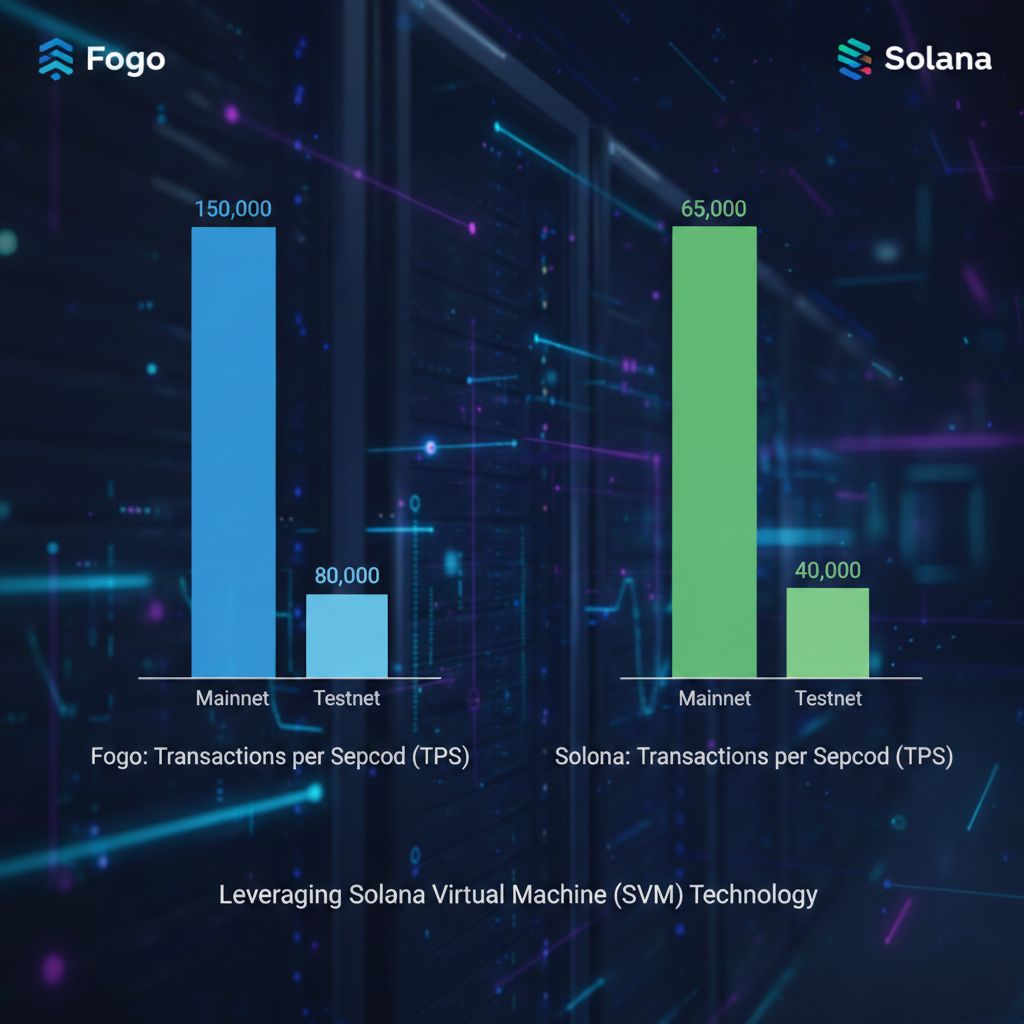
The journey ahead will not be easy. Every blockchain faces challenges, from security risks to market volatility and regulatory uncertainty. But the chains that survive are those that combine strong technology with passionate communities. If Fogo can ignite both technical excellence and community belief, it may not just be another name in the blockchain space. It could become a vital engine powering the next wave of decentralized applications.
