

Picture a small design agency in Mumbai finally breathing easy after years of losing client files to sketchy cloud drives that vanished overnight. Their creative director, Priya, remembers the panic of rebuilding entire brand campaigns from blurry screenshots. Now with Walrus, every mockup, revision layer, and client feedback PDF sits locked in decentralized safety—no more begging ex-freelancers for forgotten Dropbox links or paying ransom to recover corrupted campaigns. The team sleeps better knowing a server crash halfway around the world won't wipe out their livelihood, and clients trust them more because deliverables never disappear.
Over in São Paulo, a logistics startup tracks shipping containers across the Amazon using IoT sensors that dump gigabytes of GPS pings and thermal readings daily. Founder Carlos used to wrestle with AWS bills skyrocketing from "cold storage" fees they never accessed, plus the nightmare of regional outages stranding their fleet data during floods. Walrus changed everything: sensors beam data straight to permanent storage at a fraction of the cost, and executives pull decade-old route analytics instantly to negotiate better carrier rates. No more "data's gone, sorry" excuses during insurance claims—their proof lives forever, helping them scale from 50 trucks to 500 without infrastructure headaches.
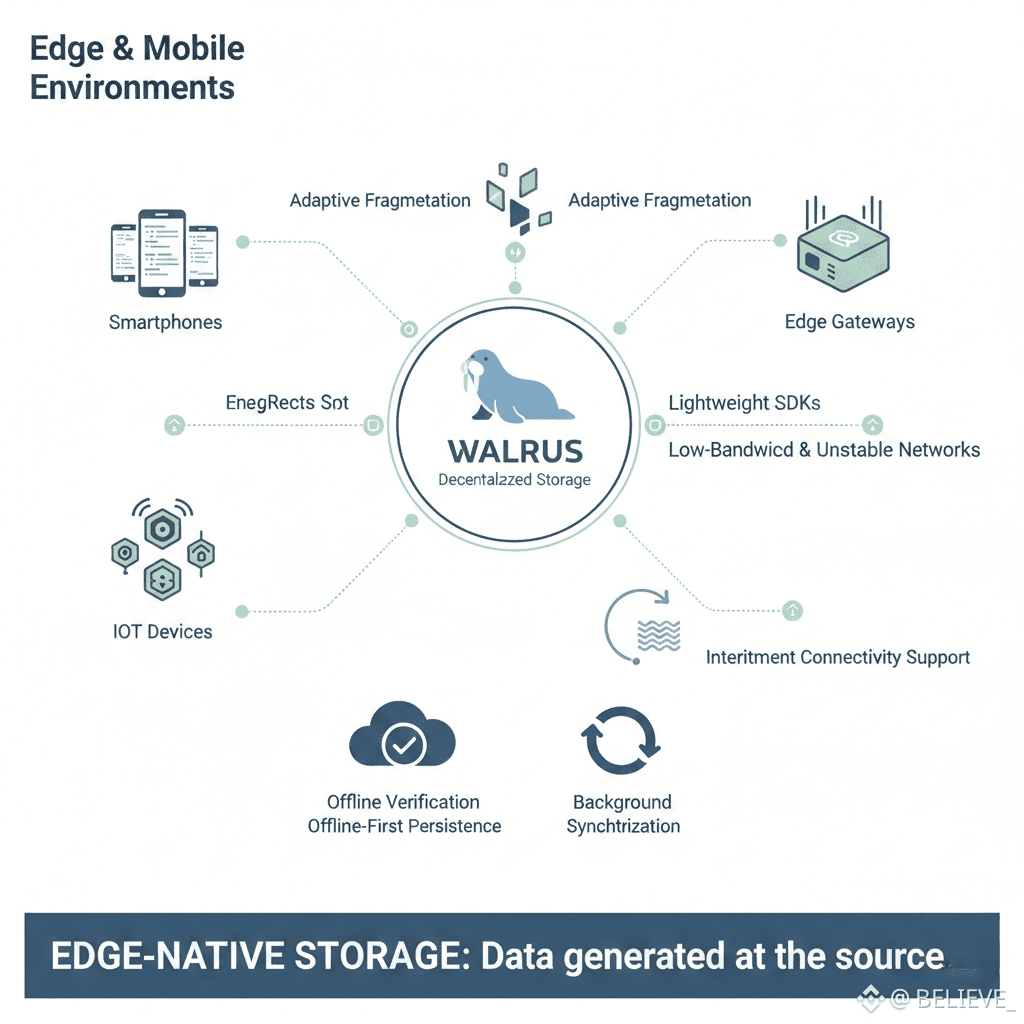
Healthcare teams in rural Kenya faced a different battle: patient X-rays and vaccination records trapped on USB drives that got lost in transit or fried during power surges. Nurse Amina recalls frantic searches for a child's malaria treatment history when transfers happened between clinics. Walrus turned mobile clinics into data fortresses—nurses snap scans with basic Android phones, and records land in tamper-proof vaults accessible from any village health post. Doctors reference five-year trends for outbreak patterns without waiting on flaky 2G signals, cutting misdiagnosis rates by 30% because history isn't guesswork anymore.
Independent journalists in Eastern Europe tell the rawest stories. One investigative reporter, Marek, documented corruption across three governments using Walrus to store uncensored footage, witness statements, and encrypted sources that regimes couldn't seize or delete. Traditional platforms flagged and scrubbed his work during elections; now his evidence persists across borders, fueling exposés that toppled local officials. He shares access hashes with international watchdogs, who verify authenticity mathematically—no "fake news" defenses stick when blockchain permanence backs every frame.
Game devs building the next battle royale faced asset sprawl killing their indie budget. Lead artist Lena watched Steam Workshop uploads balloon storage costs while players raged over lost skins during server migrations. Walrus let them fragment 4K textures and animations into permanent ownership—players truly own rare weapons that transfer across sequels or platforms. Beta testers trade heirloom gear on secondary markets without dev intervention, creating viral hype that funded their full launch. No more "wipe and restart" patches; progress endures.
Nonprofit disaster relief coordinators in the Philippines coordinate aid after typhoons using Walrus for real-time supply manifests and survivor registries. Field coordinator Javier used to lose volunteer shift logs and donation proofs to water-damaged laptops. Now volunteers log via WhatsApp bots, data shards across Pacific operators instantly. Donors verify fund usage through public dashboards showing exactly where tents landed—no more skepticism killing repeat gifts. Response times dropped from weeks to hours because chain-of-custody lives forever.
Marketing agencies running global influencer campaigns track thousands of sponsored posts, contracts, and performance analytics. Account lead Sophie dreaded audit season digging through Google Drive graveyards for expired ROI reports. Walrus centralized everything: raw campaign assets, A/B test videos, affiliate payouts—all queryable by client, region, or KPI. Quarterly reviews became 30-minute exports instead of week-long scrambles, winning them enterprise retainers because "we have everything, always."
Manufacturing firms retrofitting factories with digital twins store 3D machine scans and vibration data permanently. Plant manager Raj faced warranty disputes where OEMs claimed "insufficient proof" of defects. Walrus captures sensor streams from day one, rebuilding exact failure timelines for litigation wins. Spare parts procurement sped up 40% as historical models predict wear patterns—no more overstocking obsolete inventory.
Real estate developers preserve property histories—blueprints, permits, inspection videos—for decades-long liability protection. Broker Elena pulled 15-year-old seismic retrofits during earthquake insurance renewals, avoiding premium hikes competitors ate. Buyers tour VR walkthroughs of past renovations stored immutably, boosting sale prices 12% through transparency no PDF archive matches.
Walrus delivers these wins not through hype, but quiet reliability transforming daily headaches into competitive edges. Teams focus on growth instead of data babysitting; trust builds from lived experience, not promises. Real impact shows in retained clients, scaled operations, and stress-free nights—proof decentralized storage works when it simply never fails.

