
Hey Binance Square crew!
I’ve spent years digging into blockchain infrastructure from a builder’s mindset, and recently Walrus Protocol has really stood out to me—not because of hype, but because of its engineering decisions. Walrus feels deliberately designed for developers who care about correctness, scalability, and long-term usability. It’s not simply about storing files; it’s about creating a verifiable, programmable data layer that modern Web3 applications can actually rely on.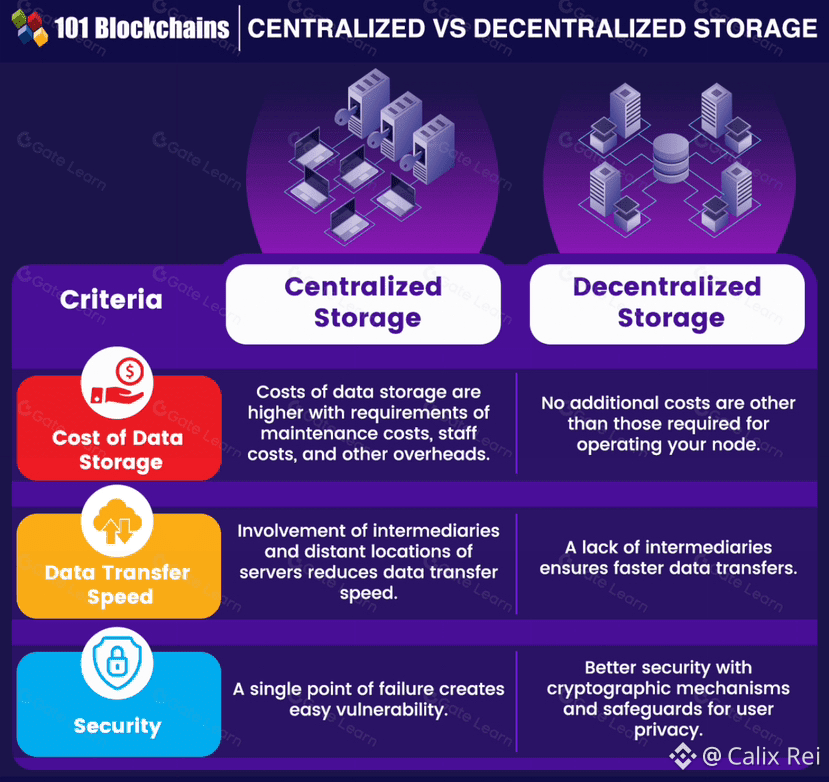
Below is a deep dive into Walrus’s tech stack, explained from a practical, builder-oriented perspective.
Built on Sui: Why the Base Layer Matters
Walrus is built natively on the Sui Network, and this choice shapes almost every part of its architecture. Sui’s object-centric model is fundamentally different from account-based blockchains. Instead of pushing every state change through a single global ledger, Sui allows independent objects to be processed in parallel.
For storage systems, this is a major advantage. Data objects—such as Walrus blobs—can be created, updated, or referenced without waiting for network-wide serialization. From a builder’s perspective, this means higher throughput, lower latency, and fewer design constraints when dealing with large or frequent data interactions.
Blobs as First-Class Objects
At the heart of Walrus is its blob-based storage model. Blobs are arbitrary chunks of data treated as on-chain objects that applications can reference directly. This design allows data to become composable infrastructure rather than an off-chain afterthought.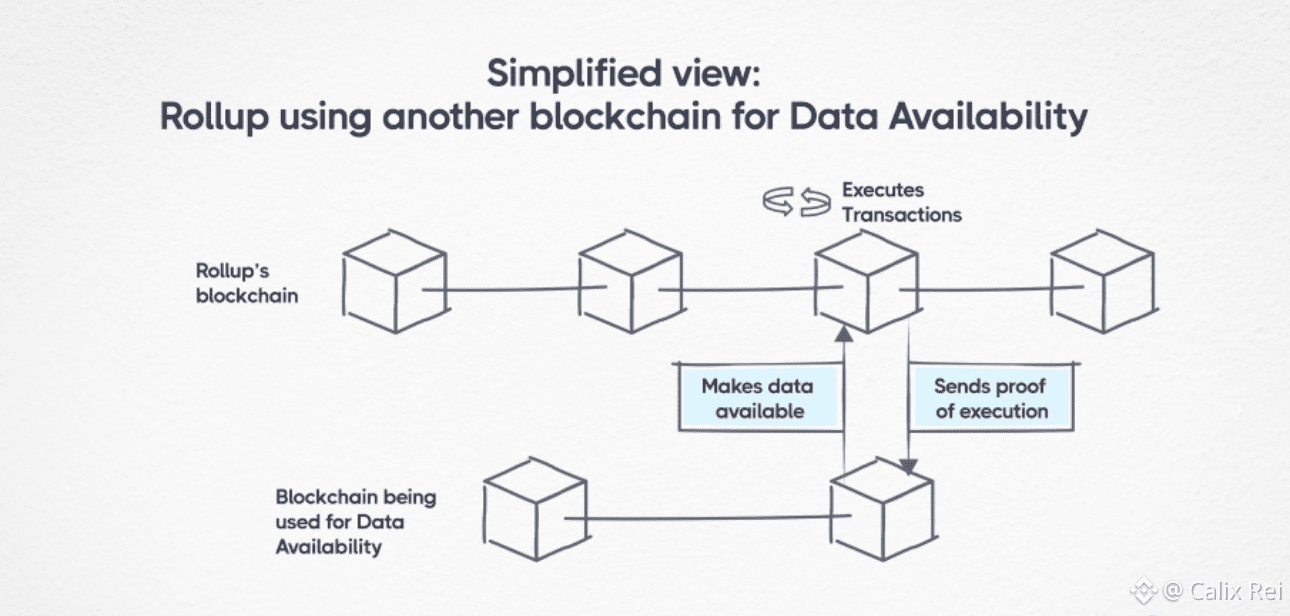
Walrus applies erasure coding to blobs, splitting data into fragments that are distributed across multiple storage nodes. The system can reconstruct the original data even if a subset of nodes is temporarily unavailable. This approach balances resilience and efficiency, avoiding the cost overhead of full replication while maintaining strong durability guarantees.
From a developer standpoint, this feels like working with decentralized storage that behaves more like reliable infrastructure than experimental middleware.
Verifiability and Data Availability
One of Walrus’s most important technical features is its focus on verifiable data availability. Instead of requiring clients to download entire datasets to confirm their existence, Walrus supports cryptographic proofs that demonstrate data is stored and retrievable.
This is particularly valuable for lightweight clients and applications running in constrained environments. Builders can design systems that rely on external data while still preserving trust assumptions—an increasingly important requirement as Web3 applications become more complex.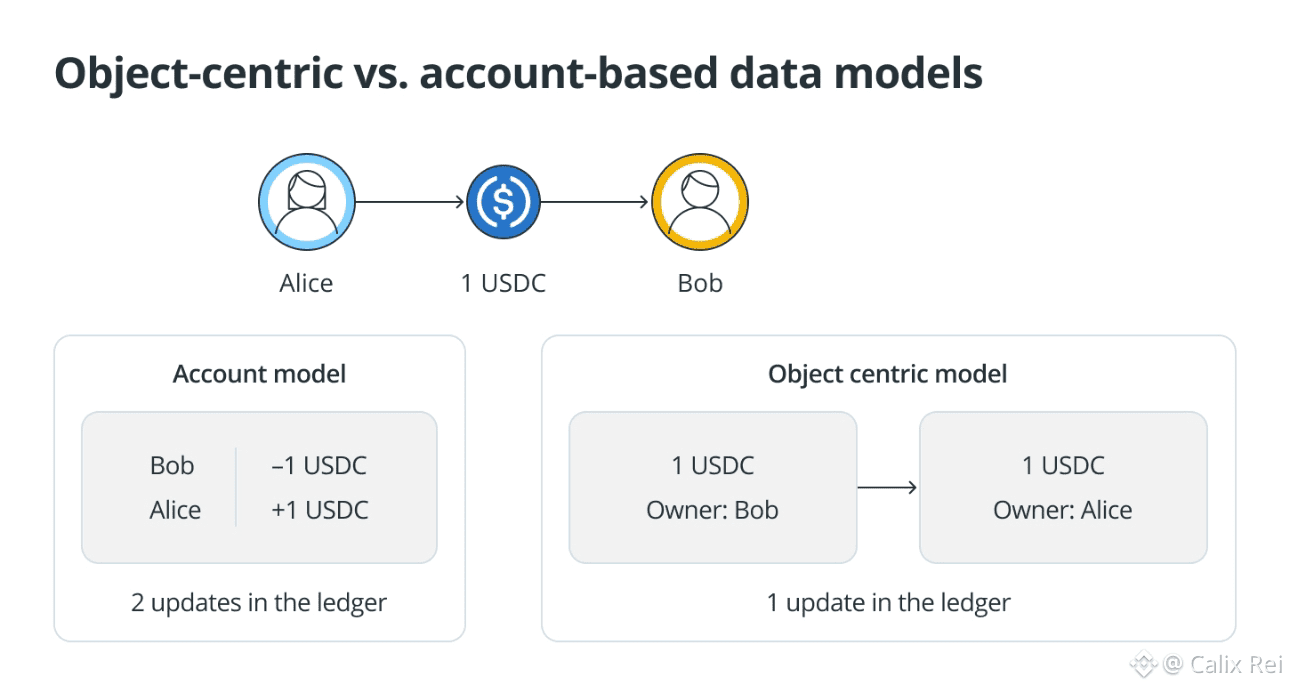
Programmable Storage via Move
Walrus isn’t designed as a passive storage bucket. Using Sui’s Move programming language, developers can embed logic directly into how storage is managed. Blobs can be linked to rules around access, lifecycle management, or application-specific conditions.
Move’s resource-oriented design emphasizes safety and explicit ownership, reducing entire classes of bugs common in smart contract development. While it may feel unfamiliar to developers coming from Solidity, the trade-off is stronger correctness guarantees—something infrastructure projects benefit from immensely.
Compared to systems like IPFS, which excels at content addressing but lacks deep smart contract integration, Walrus offers a more cohesive experience for application developers.
Incentive Design and Network Reliability
Walrus uses its native token to coordinate storage participation and network security. Node operators commit resources to the network and are expected to continuously serve data and respond to availability checks. This ongoing responsibility model helps align long-term incentives with real-world storage needs.
From a systems design perspective, this is more suitable for dynamic data—datasets that evolve, are accessed frequently, or serve as live inputs for applications—rather than static archival storage.
Tooling, SDKs, and Ecosystem Integration
No infrastructure stack succeeds without good developer experience. Walrus is actively investing in SDKs, documentation, and ecosystem programs to reduce onboarding friction. These tools abstract much of the protocol complexity, allowing builders to focus on application logic rather than storage internals.
Within the broader Sui ecosystem, Walrus fits naturally into a verifiable infrastructure stack, complementing execution and computation layers. This modular design encourages composability and experimentation without forcing projects into rigid frameworks.
Design Trade-offs and Open Challenges
Like any ambitious infrastructure project, Walrus faces challenges. Global data distribution introduces bandwidth considerations, and privacy-enhancing features such as advanced cryptographic access controls remain an active area of exploration.
That said, Walrus’s renewable, programmable storage model offers flexibility that static “store-once” approaches often lack. For applications dealing with evolving datasets or interactive content, this adaptability is a meaningful advantage.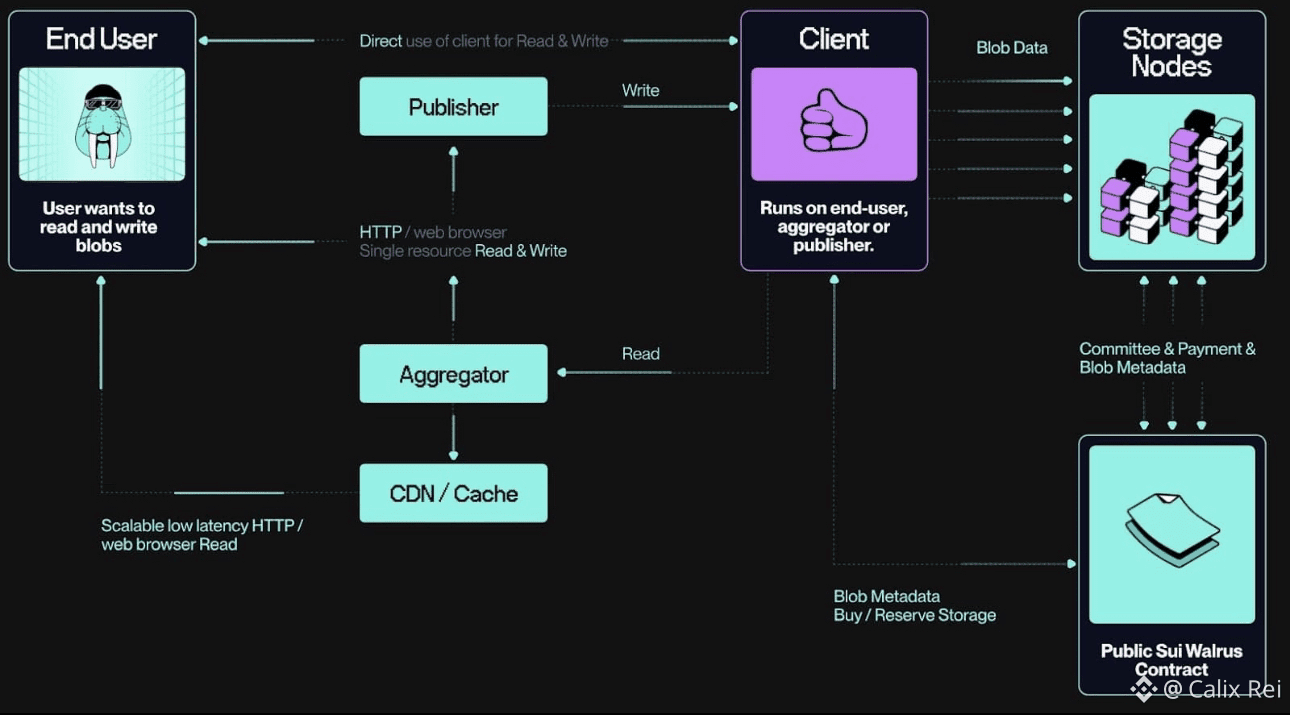
Final Thoughts from a Builder
From a developer’s perspective, Walrus Protocol feels less like a product and more like a missing primitive in the Web3 stack. It treats data as a first-class, programmable object—verifiable, composable, and designed for scale.
As Web3 applications increasingly blend AI, gaming, DeFi, and rich media, infrastructure like Walrus becomes essential. It may not always be visible to end users, but for builders, it opens up entirely new design spaces.
If you’re experimenting with decentralized applications and care about data integrity and scalability, Walrus is worth exploring deeply.
Curious to hear from other builders here: what features do you think decentralized storage still needs to unlock the next wave of Web3 apps?

