

What once seemed optional now sits at the core - privacy matters deeply in money systems today. With more transactions moving online, people and organizations face risks they never dealt with before: data slipping out, constant watching, information twisted beyond intent. Old banking setups trap data in fragile compartments that break too easily. At the same time, plenty of blockchains went extreme the other way - showing everything to everyone. That clash pushed things to a breaking point. A fresh path emerged quietly. Dusk Network arrived as a ledger where secrecy is baked in by design, running on its own currency called $DUSK.
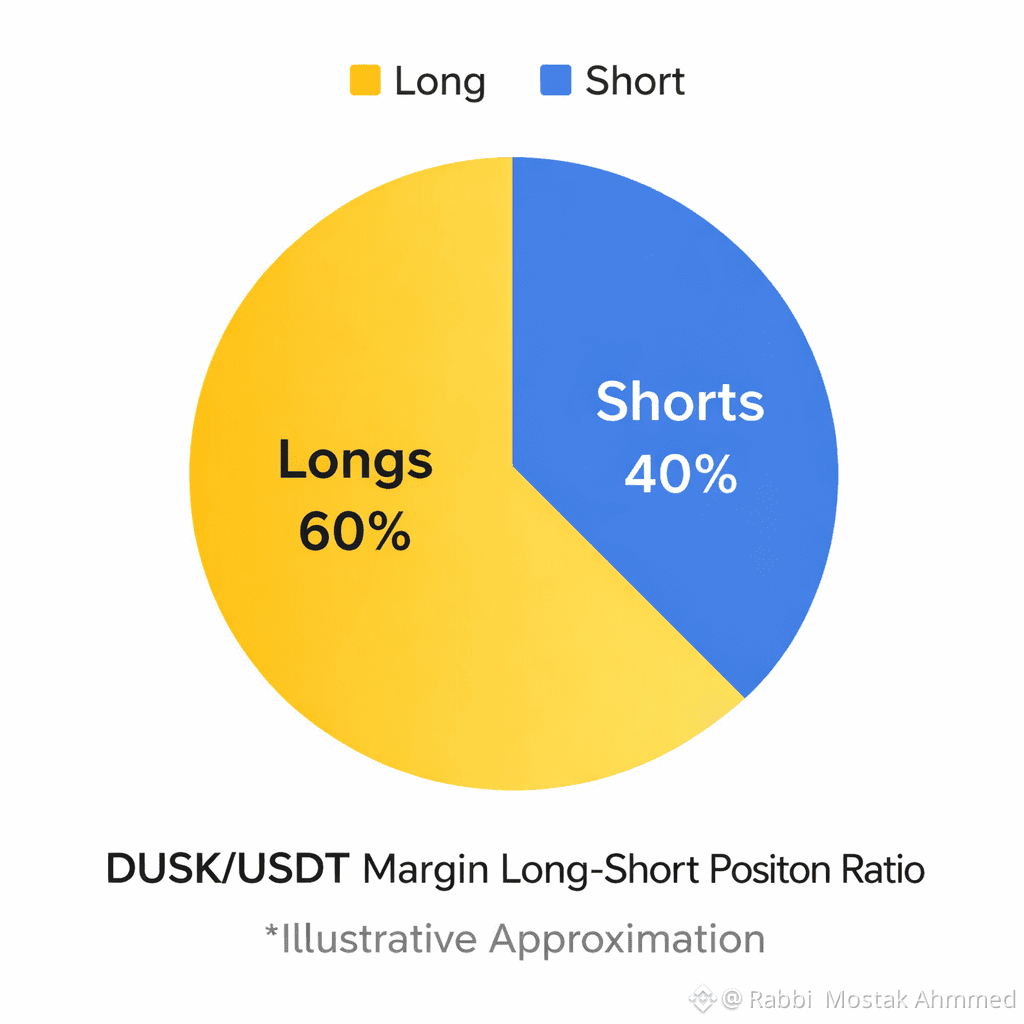
Everywhere you look in old-school banking, someone might be watching. Big central systems hold oceans of personal details, so hackers circle like sharks. Leaks happen. Snooping happens too. People rarely know who sees their info, let alone stop it. DeFi first aimed at fixing broken trust - no middlemen, just code. Yet it brought something worse into daylight. Every move lives on a public record, open to digging. Wallets, trades, links between accounts - all sitting there, visible to strangers with a browser. Openness helps audits happen more easily. Yet companies, organizations, and people needing secrecy face real risks because of it. When there is no privacy, progress slows down. This holds especially true for financial groups under strict rules.
A fresh take shapes how Dusk Network handles privacy - woven into its base, not bolted on after. Instead of tacking it on later, the system runs as a ground-up blockchain built only for financial tools that guard user secrecy. Hidden dealings and coded agreements stay protected through strong math tricks, yet still operate openly across many nodes. Central to this design? A method called ZK-SNARKs quietly checks facts without showing raw details. So numbers, values, even hidden rules pass inspection while staying out of sight. What looks like magic is just clever code making trust possible behind closed doors.
What helps here is Dusk's unique way of reaching agreement across nodes - called Segregated Byzantine Agreement. It focuses on speed, certainty, and equal treatment, things any live trading system needs. The network was shaped around rules that matter in finance. Privacy features let firms show they follow identity checks while keeping customer details hidden. That mix - keeping secrets yet meeting oversight - is why this platform fits serious financial work.
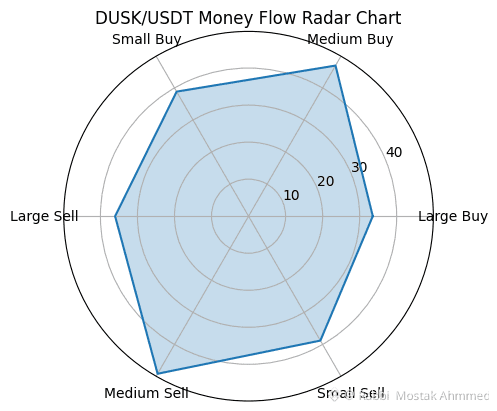
What keeps Dusk Network running? The $DUSK token. It powers staking, where participants help secure the system while staying tied to its future success. Because validation rewards come from this token, contributors lean toward stability over quick exits. Moving beyond security, users spend $DUSK to cover transaction costs - a built-in nudge to avoid wasting bandwidth. When changes arise, those holding tokens vote directly on updates, guiding how rules evolve over time.
With more than just basic functions, $DUSK opens doors to advanced tools and support on the platform, especially useful for companies running finance apps where privacy matters. Since the system rewards participation, users find stronger reasons to keep and stake $DUSK as activity spreads across the network. Security tightens, control stays spread out, and long-term operation becomes easier when demand rises.
Updating Finance Using Dusk
Frozen light creeps across ledgers where Dusk builds quietly. Secret financial tokens shift hands under wraps - no names spilled, just trust coded into moves. Big players dip into open markets while hiding their hand through clever shields. Checks happen behind veiled doors; audits pass without dumping files on shared drives. Each piece clicks into place where old money meets new code, slowly stitching two worlds once split apart.
Darkness falls. Privacy holds up honest money systems, does not block them. Strong math meets real-world rules here. A working coin named $DUSK powers the whole thing. Built for use, not just talk. People who build or invest might finally find what held blockchains back. Hidden details could unlock everything.
