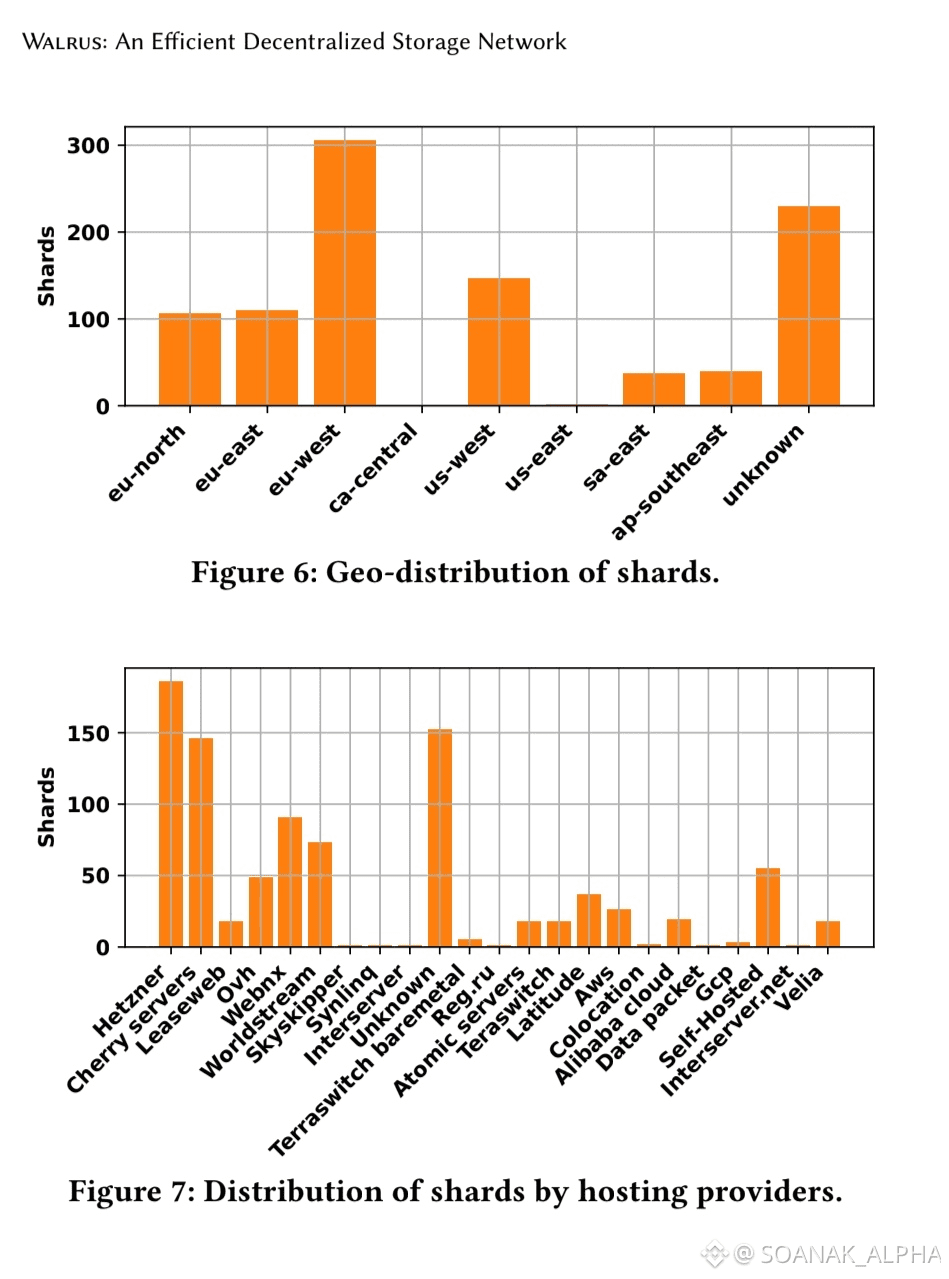
Walrus introduces a new approach to decentralized storage by combining blockchain coordination with advanced data encoding. Instead of relying on full data replication, Walrus uses erasure coding and distributes encoded data across a committee of storage nodes, making large-scale storage both efficient and resilient. A blockchain acts as the control layer, managing metadata, governance, and proofs of availability, while storage nodes handle the actual data.
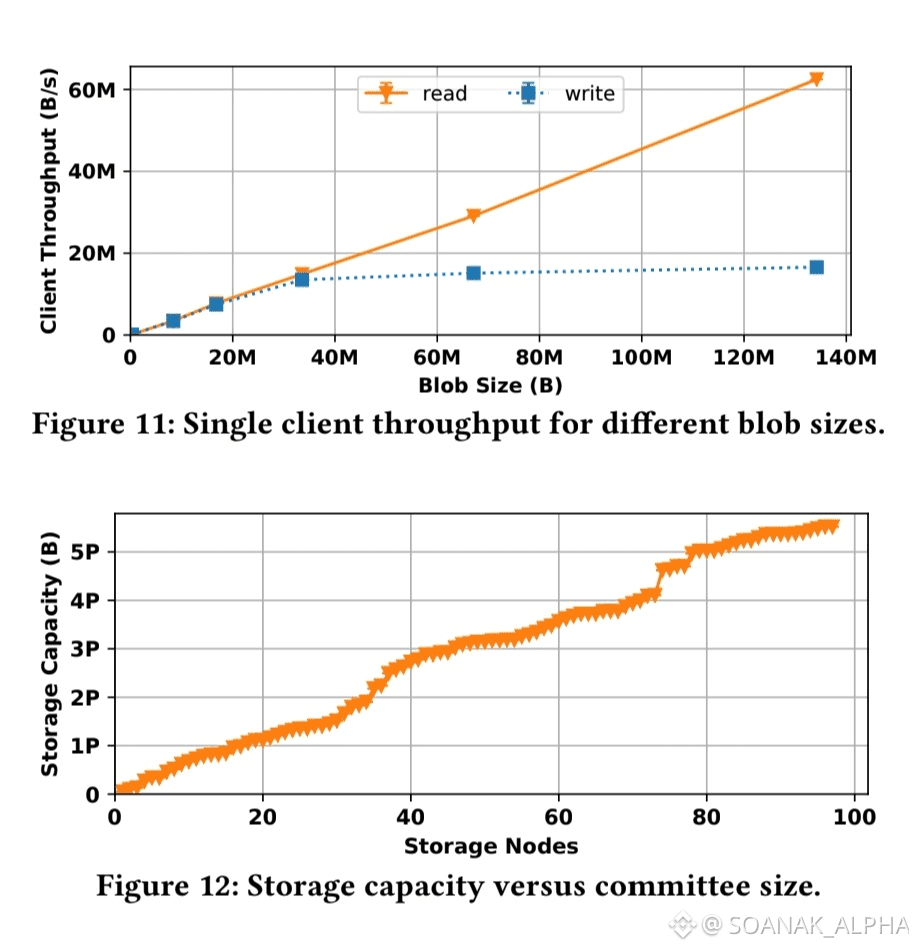
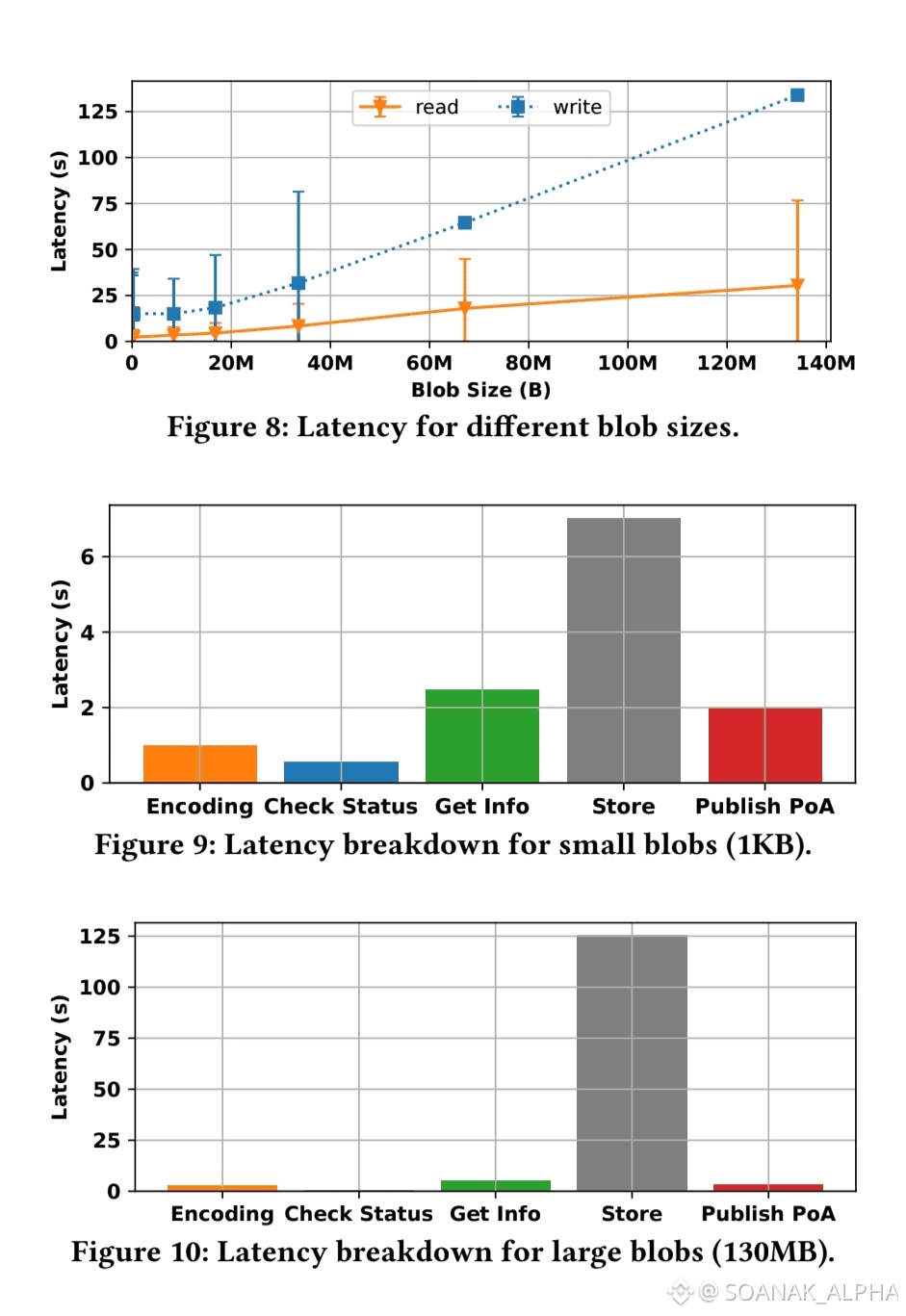
One of Walrus’s key strengths is its ability to scale. As more storage nodes join the network, total storage capacity increases proportionally. In practice, the system already supports petabyte-scale storage while maintaining low latency for reads and writes. This design ensures data remains accessible even if some nodes go offline or behave maliciously.
Walrus also introduces additional security through light-node sampling. Community participants can verify data availability without running full storage nodes, adding a decentralized layer of oversight and incentives. Together, these features position Walrus as a robust alternative to traditional decentralized storage systems, optimized for real-world usage, high availability, and long-term scalability.