
As blockchain technology moves deeper into regulated financial use cases, efficiency is no longer just a technical preference—it is a requirement. Networks must deliver strong security guarantees without relying on excessive computation or energy consumption. This is where Dusk Network’s approach to consensus stands out.
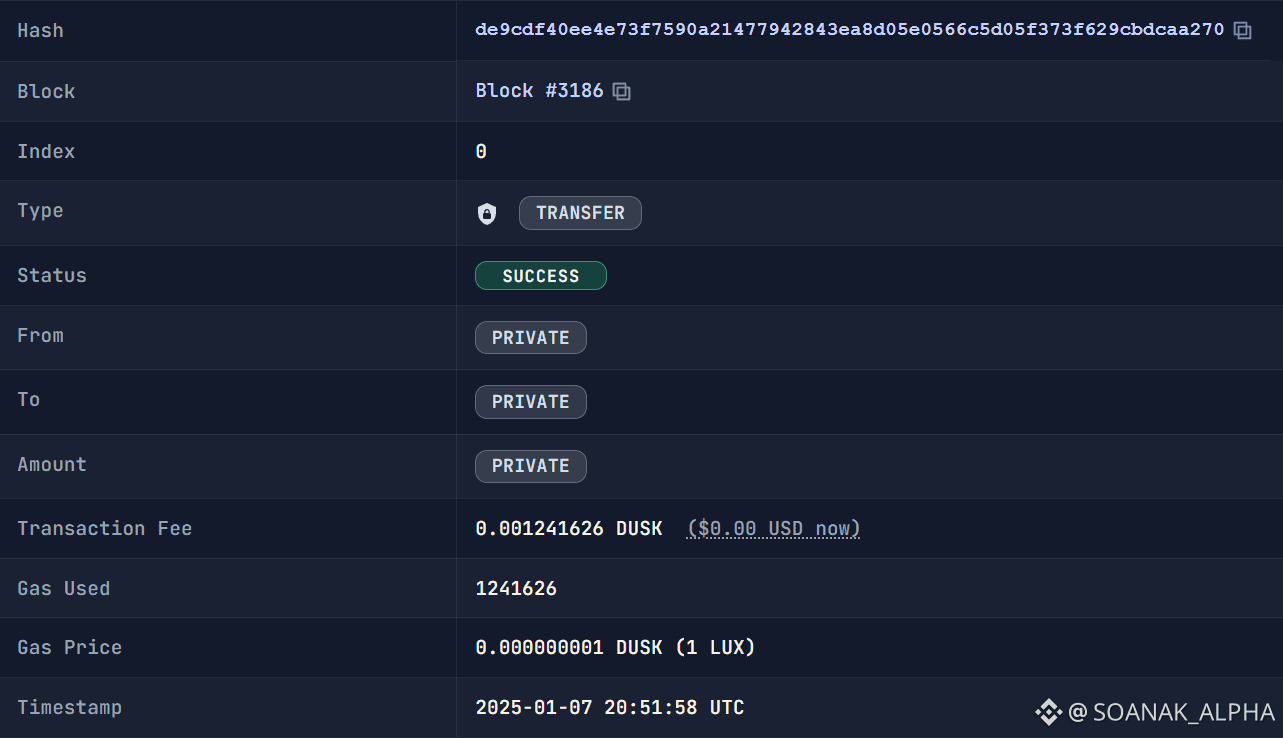
At the core of Dusk’s design is its Succinct Attestation (SA) protocol, a committee-based proof-of-stake consensus mechanism. Unlike proof-of-work systems that depend on energy-intensive cryptographic puzzles, SA achieves finality through economic security backed by staked assets. This significantly reduces the computational burden required to secure the network, even as participation scales.
Proof-of-stake systems are already known to be far more energy-efficient than proof-of-work. Ethereum’s transition to PoS demonstrated this clearly, reducing energy usage by more than 99%. Dusk builds on this model by adding deterministic sortition, which selects block provisioners based on stake rather than brute-force computation. This allows block production and validation to happen without wasteful processing.
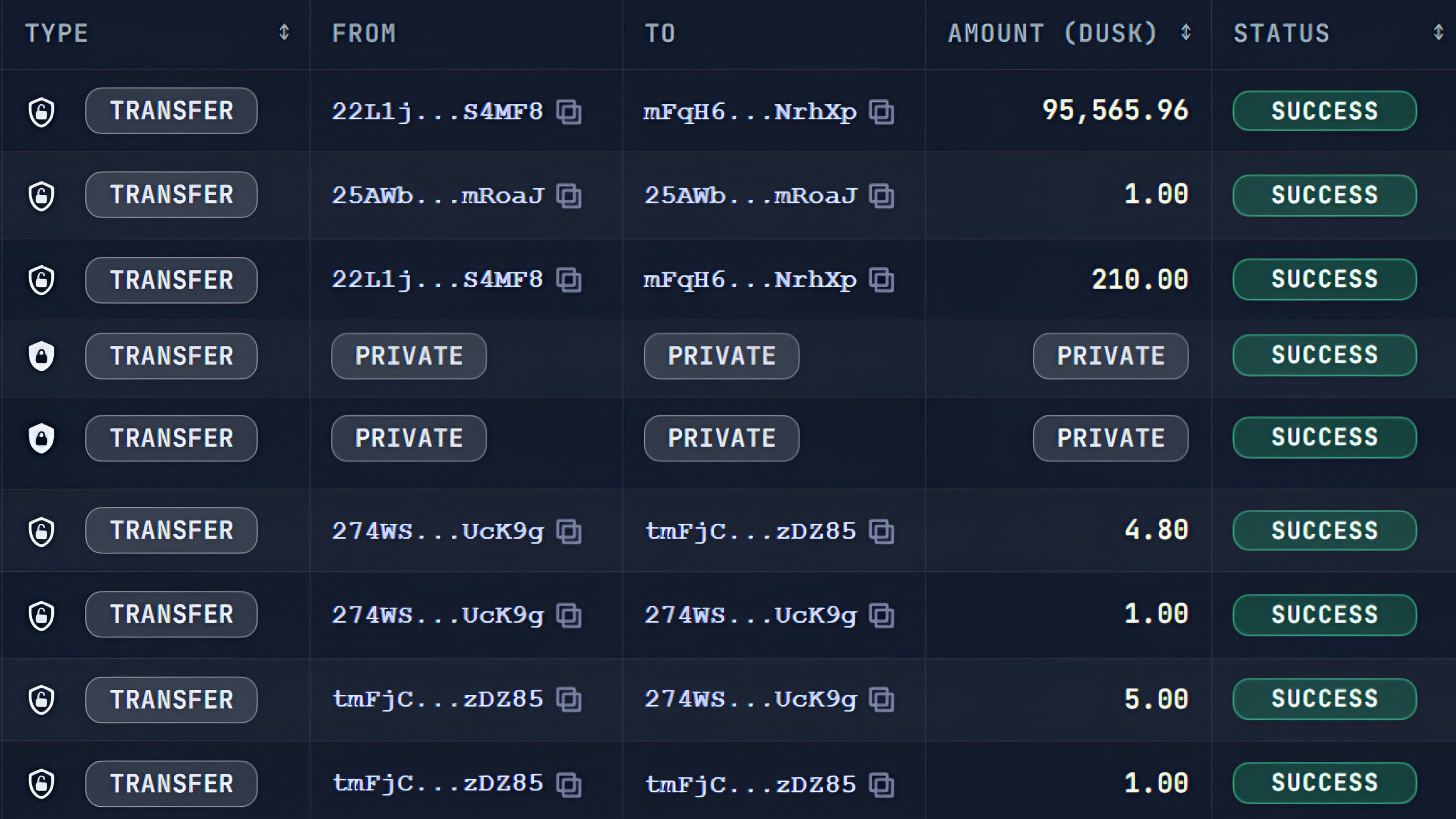
Another important feature is rolling finality. Instead of requiring multiple rounds of consensus to confirm a block, Dusk’s protocol minimizes redundant validation steps. This shortens confirmation times and reduces the amount of network communication needed, lowering overall resource consumption.
Combined with network-level optimizations like Kadcast for efficient peer-to-peer communication, Dusk shows that blockchain security, finality, and efficiency can coexist. For regulated finance, where sustainability and performance must align, this design offers a practical path forward.
