
Efficient Cryptography at the Core of Dusk Network
As privacy-focused blockchains grow in complexity, cryptographic workloads become one of the largest performance and energy bottlenecks. Dusk Network addresses this challenge directly through the design of its virtual machine, Piecrust, which is built specifically to support zero-knowledge smart contracts at scale.
Why Piecrust Is Different
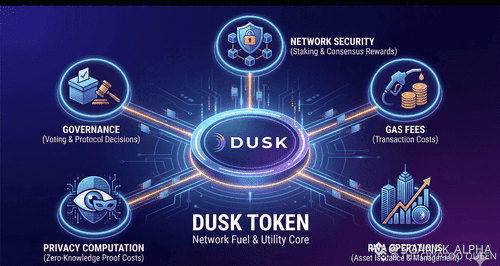
Traditional virtual machines execute cryptographic operations inside sandboxed environments such as WebAssembly. While secure, this approach introduces significant overhead. Research shows that complex applications running in WASM can be up to 255% slower than native execution. For a privacy blockchain that relies heavily on proof verification and signature checks, this inefficiency quickly compounds.
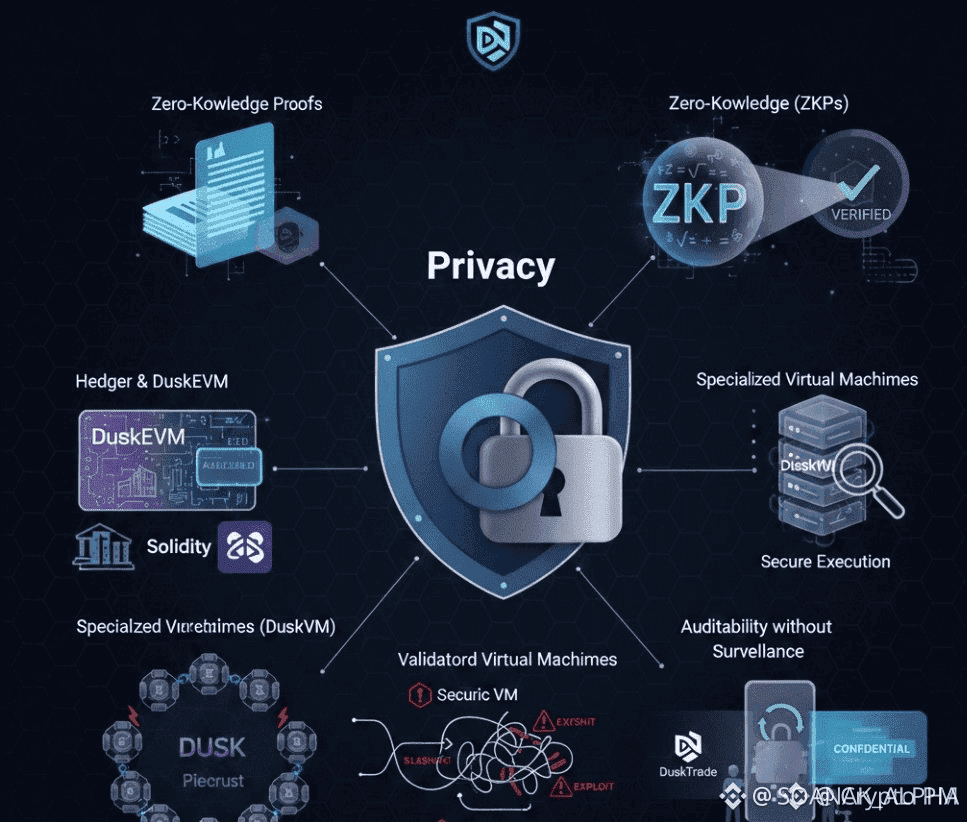
Dusk avoids this problem by integrating native host functions directly into the Piecrust VM. Instead of processing cryptographic tasks inside the VM, heavy operations are offloaded to optimized native code, reducing both execution time and energy consumption.
Optimized Zero-Knowledge Operations
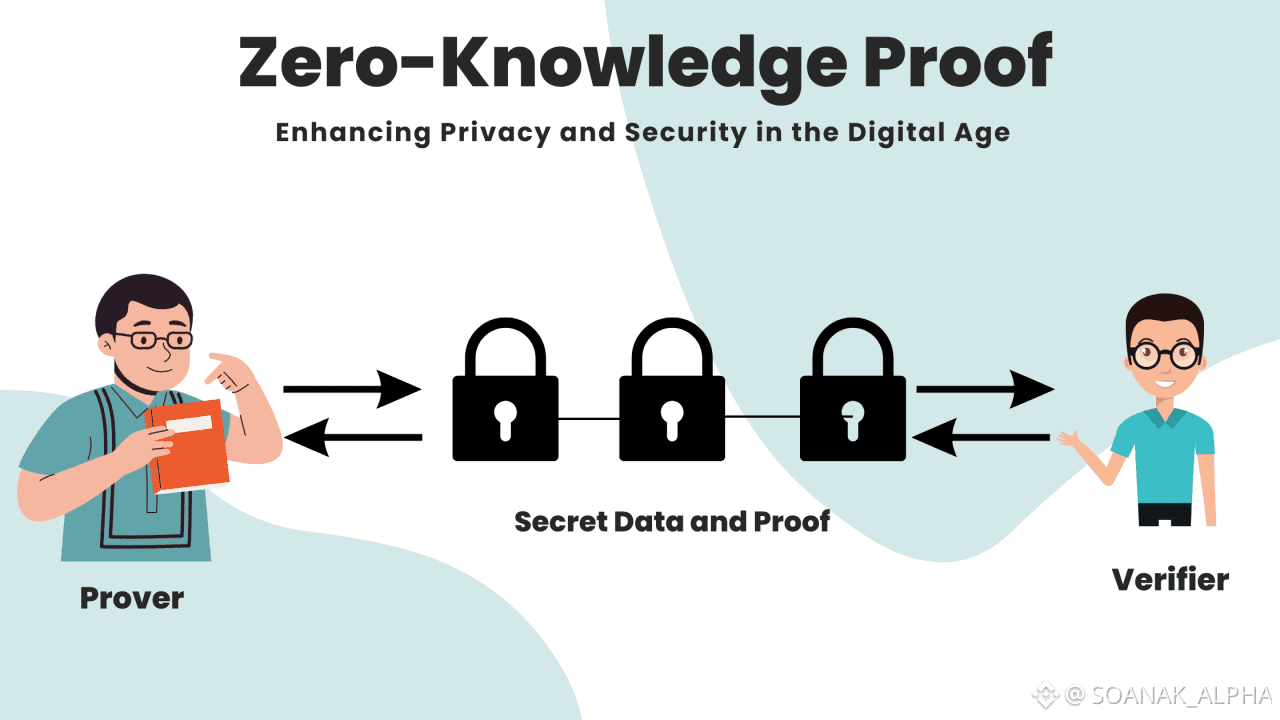
Piecrust exposes a set of specialized host functions to handle cryptographic workloads efficiently. These include hashing functions such as Blake2b and Poseidon, verification of advanced zero-knowledge proofs like PlonK and Groth16, and support for Schnorr and BLS signatures. By handling these operations at the host level, Dusk dramatically improves throughput while preserving deterministic and secure execution across nodes.
Scalability Without Compromise
This architecture allows Dusk to scale privacy-preserving applications without inflating computational costs. As network activity increases, nodes avoid unnecessary VM-level processing, making cryptographic operations more sustainable over time. The result is a privacy blockchain that balances performance, energy efficiency, and security—an essential requirement for regulated financial markets.
