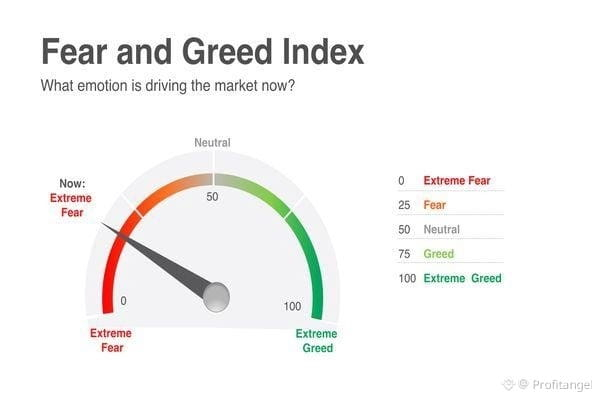
Financial markets don’t move randomly. They move in cycles, and the players with the deepest pockets — institutions and smart money — follow the same playbook every single time.
The strategy is simple, disciplined, and brutally effective: buy when fear is extreme, sell when excitement turns into euphoria.
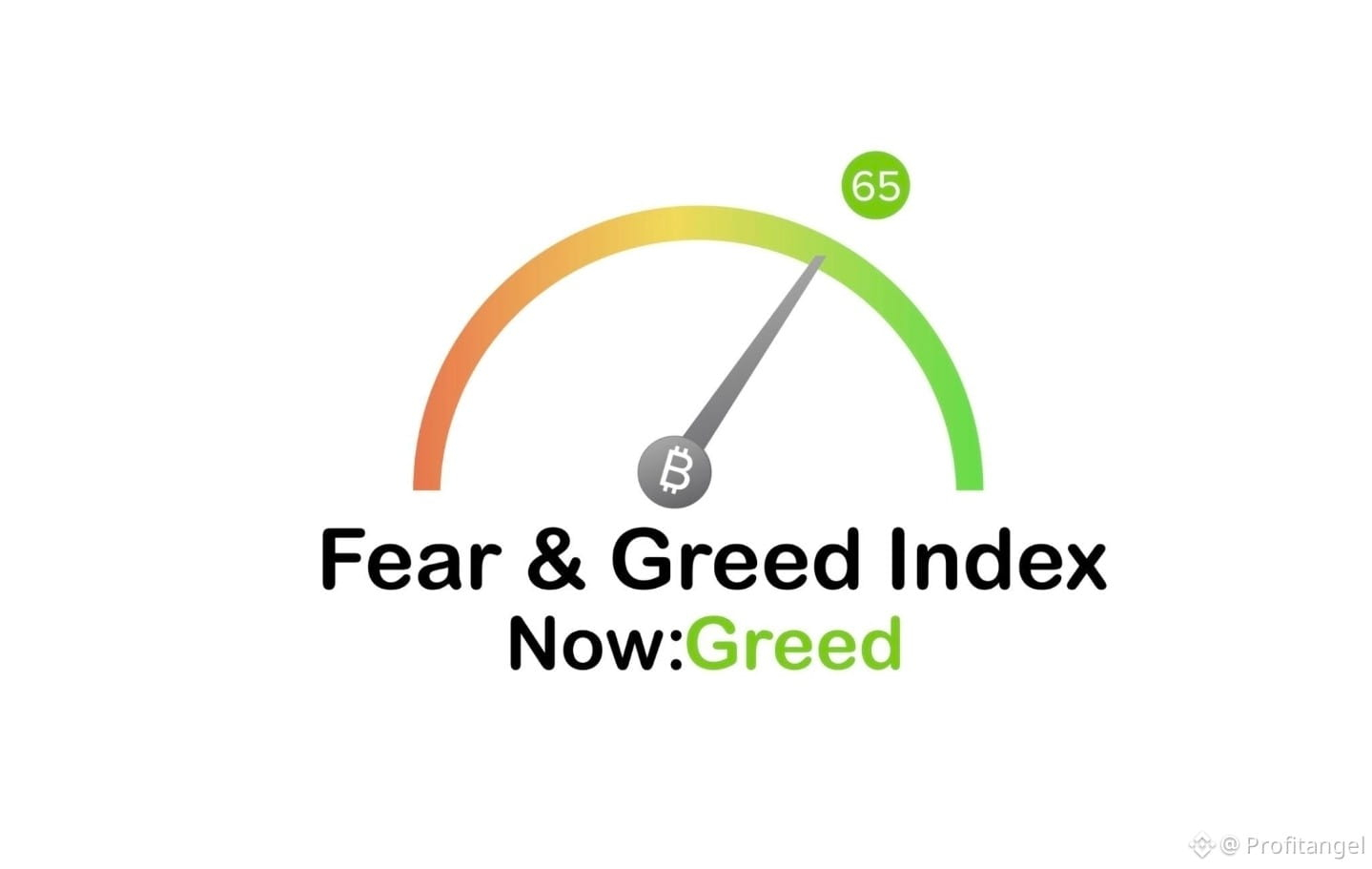
Yet retail traders keep falling into the same trap.
How Institutions Really Operate
Institutions don’t chase green candles. They wait for pain.
When markets are bleeding, headlines are screaming “crash,” and social media is flooded with panic, that’s when smart money quietly steps in. Liquidity is high, emotions are low, and prices are discounted.
They accumulate patiently while:
Retail is selling out of fear
Analysts downgrade targets
Influencers go silent
This phase is never loud. It’s uncomfortable. That’s the point.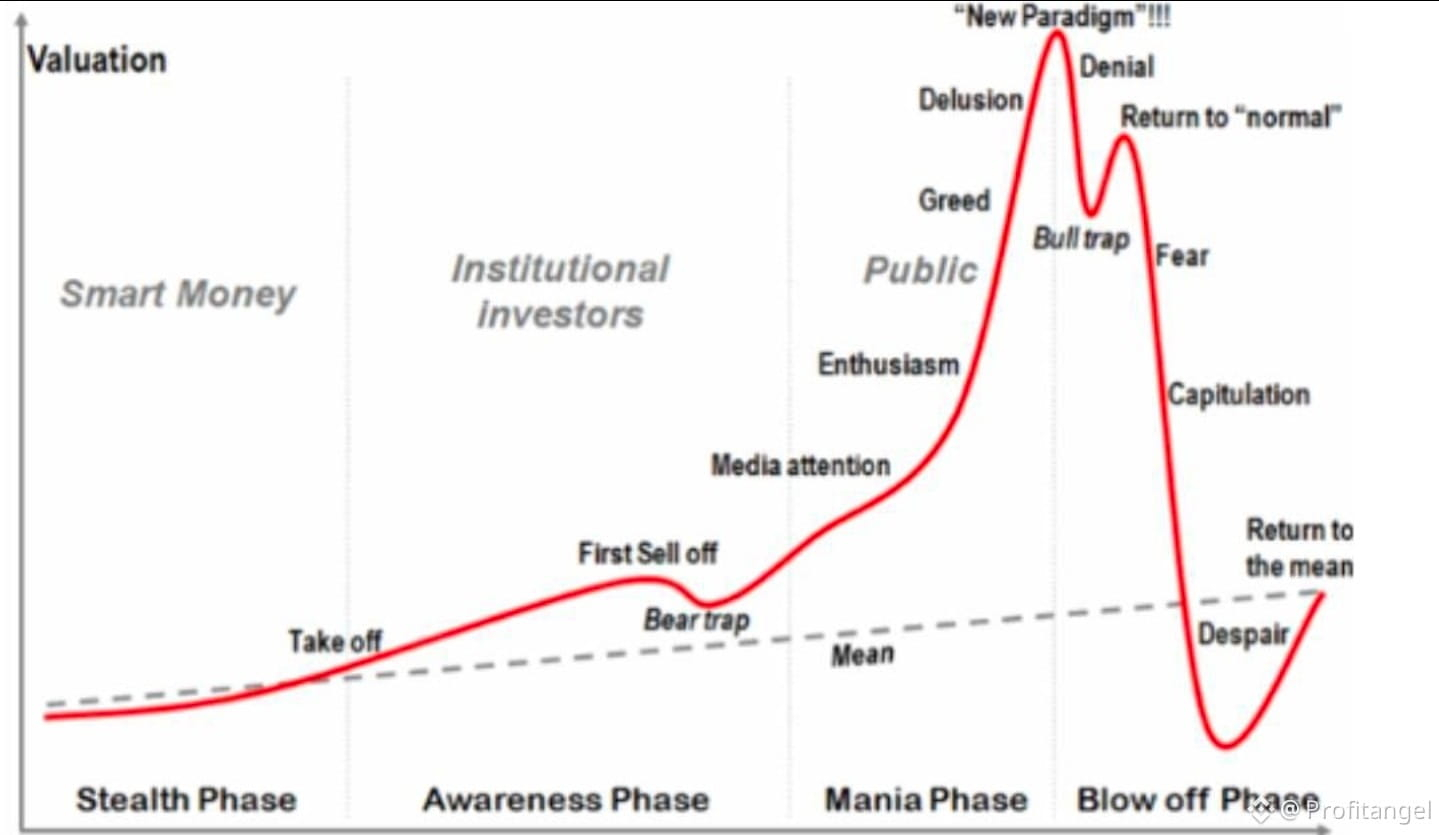
The Public Illusion: Buy Loud, Sell Quiet
One of the most important things to understand is how information is used as a tool.
Institutions often publicly disclose what they buy — filings, interviews, press releases. This creates confidence and draws attention after they’ve already built positions.
But when it’s time to sell?
There are no announcements
No press conferences
No warnings
Instead, you’ll see denial:
“This is just a healthy pullback.”
“We’re still bullish long-term.”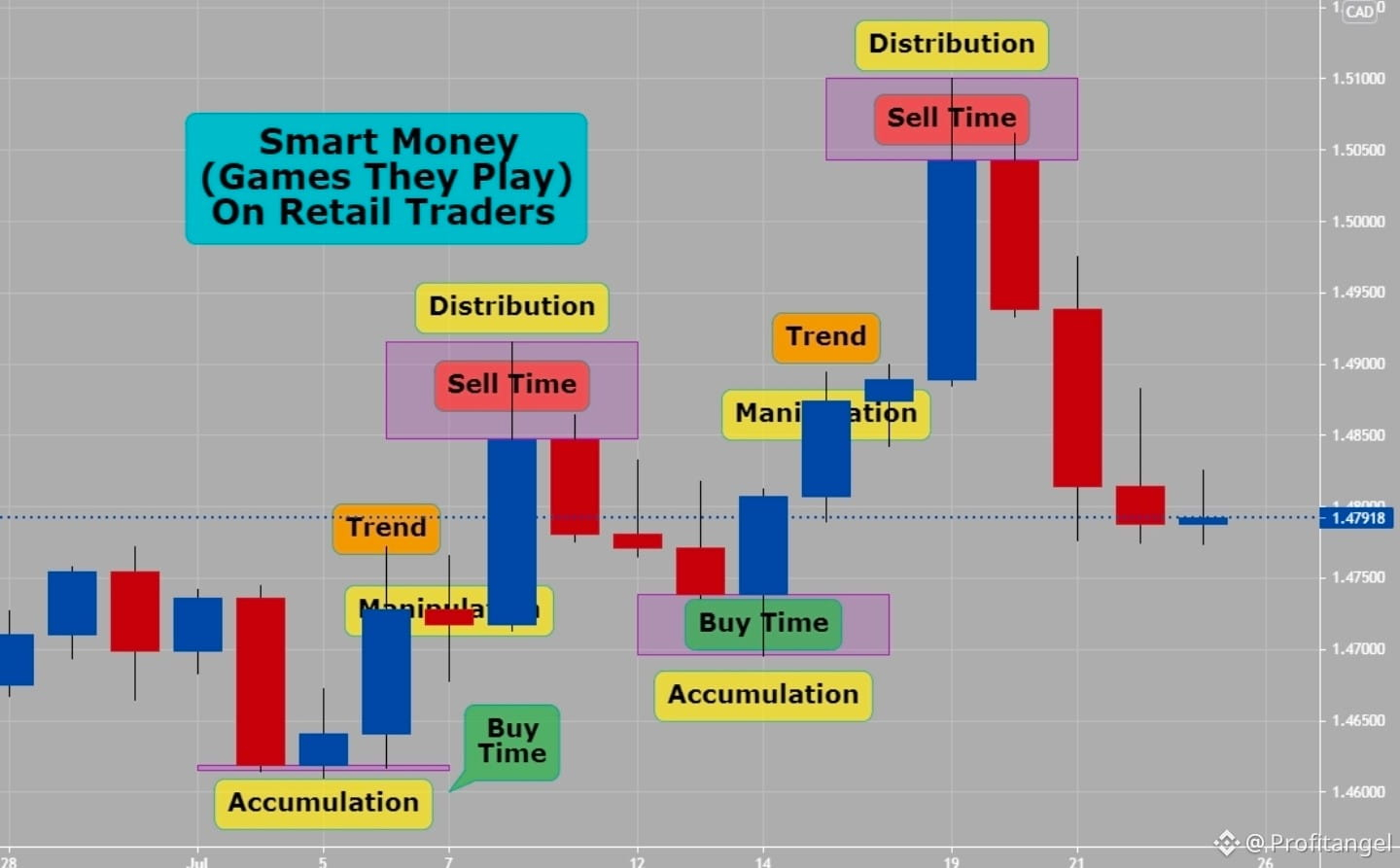
While those words are circulating, smart money is distributing into strength — selling to an excited, overconfident crowd.
Fear Is for Buying, Excitement Is for Selling
Retail traders are emotional by nature:
They sell when price collapses
They buy when price feels “safe” again
Institutions do the opposite.
They understand a core truth:
Fear creates opportunity
Euphoria creates exit liquidity
When everyone is scared, prices are cheap. When everyone is excited, prices are expensive.
The crowd wants certainty. Smart money wants value.
Why This Cycle Never Changes
Technology evolves. Assets change. Narratives rotate.
But human psychology never does.
Fear, greed, hope, and regret drive markets just as they always have. Institutions understand this and design their strategies around it — not around emotions, not around headlines.
That’s why the same pattern repeats:
1. Panic → Accumulation
2. Recovery → Silence
3. Euphoria → Distribution
4. Denial → Collapse
And then it resets.
The Lesson Retail Must Learn
You don’t need insider information to survive these markets. You need discipline and emotional control.
Buy when fear feels uncomfortable
Reduce exposure when excitement feels irresistible
Stop following narratives at market extremes
If you find yourself feeling safe buying, you’re probably late. If you feel scared buying, you’re probably early.
Final Thought
Markets reward patience, not panic. They reward courage in fear, not confidence in euphoria.
Smart money isn’t smarter because it knows more. It’s smarter because it acts when others can’t.
Same playbook.
Every cycle. #Write2Earn