
Let me tell you about a blockchain project that caught my attention recently. It's called Vanar, and unlike most crypto projects that promise the moon and deliver memes, this one is trying something genuinely different. #Vanar isn't just another "faster, cheaper" chain—it's building what they call an AI-native Layer 1. Basically, they want blockchain to be smart. Not smart like "we have fast transactions" smart, but actually intelligent.
The story starts with two guys in Dubai—Jawad Ashraf and Gary Bracy. They originally built something called Terra Virtua Kolect (TVK), which was mostly about NFTs and gaming. But somewhere along the way, they realized the real problem wasn't just making games on blockchain. It was that blockchain is fundamentally dumb. It can store a hash of your property deed, sure, but it can't read that deed. It can't understand what's in it. It can't tell if the document is valid or fake. So they rebuilt everything from scratch and called it Vanar.
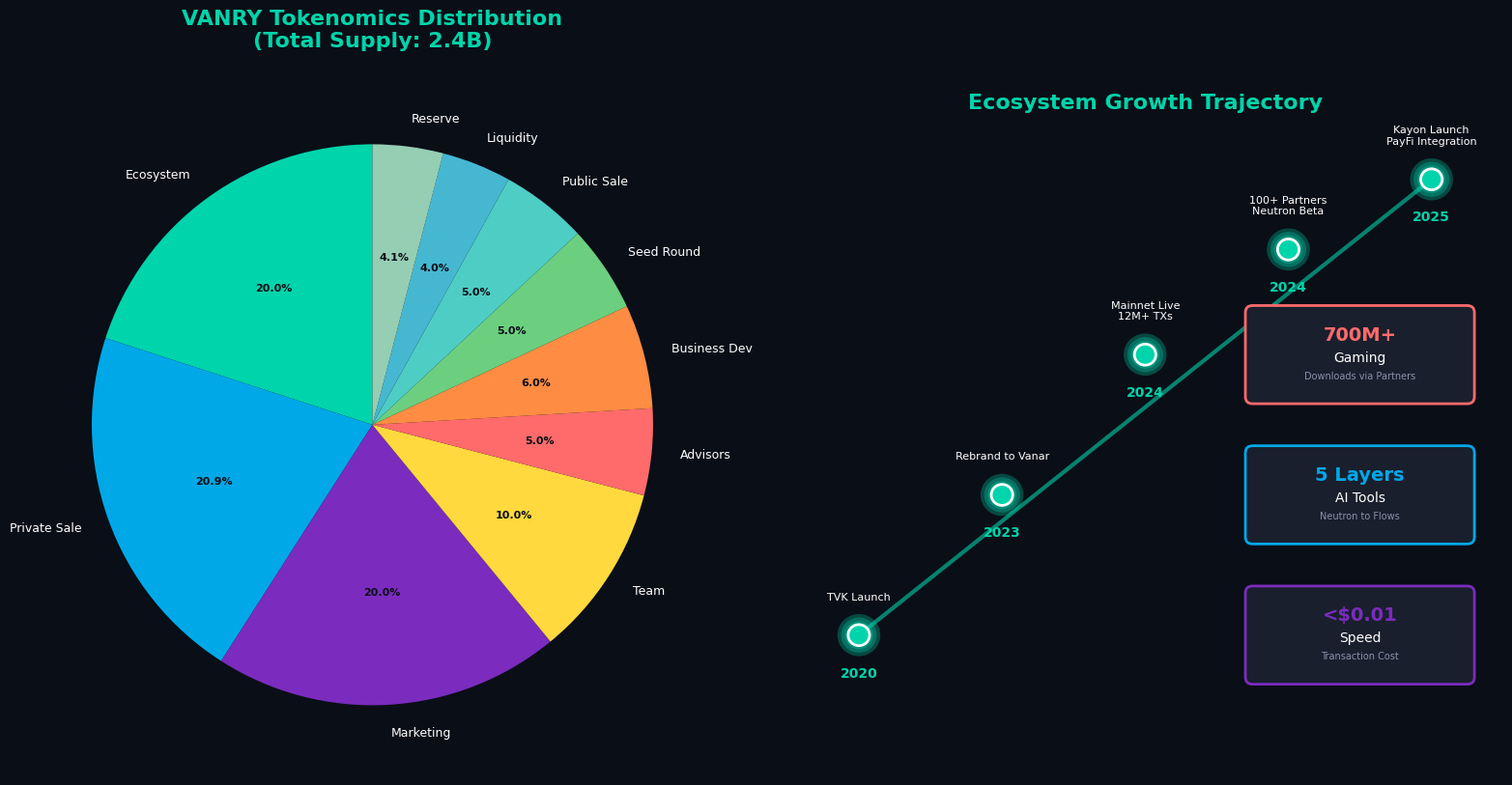
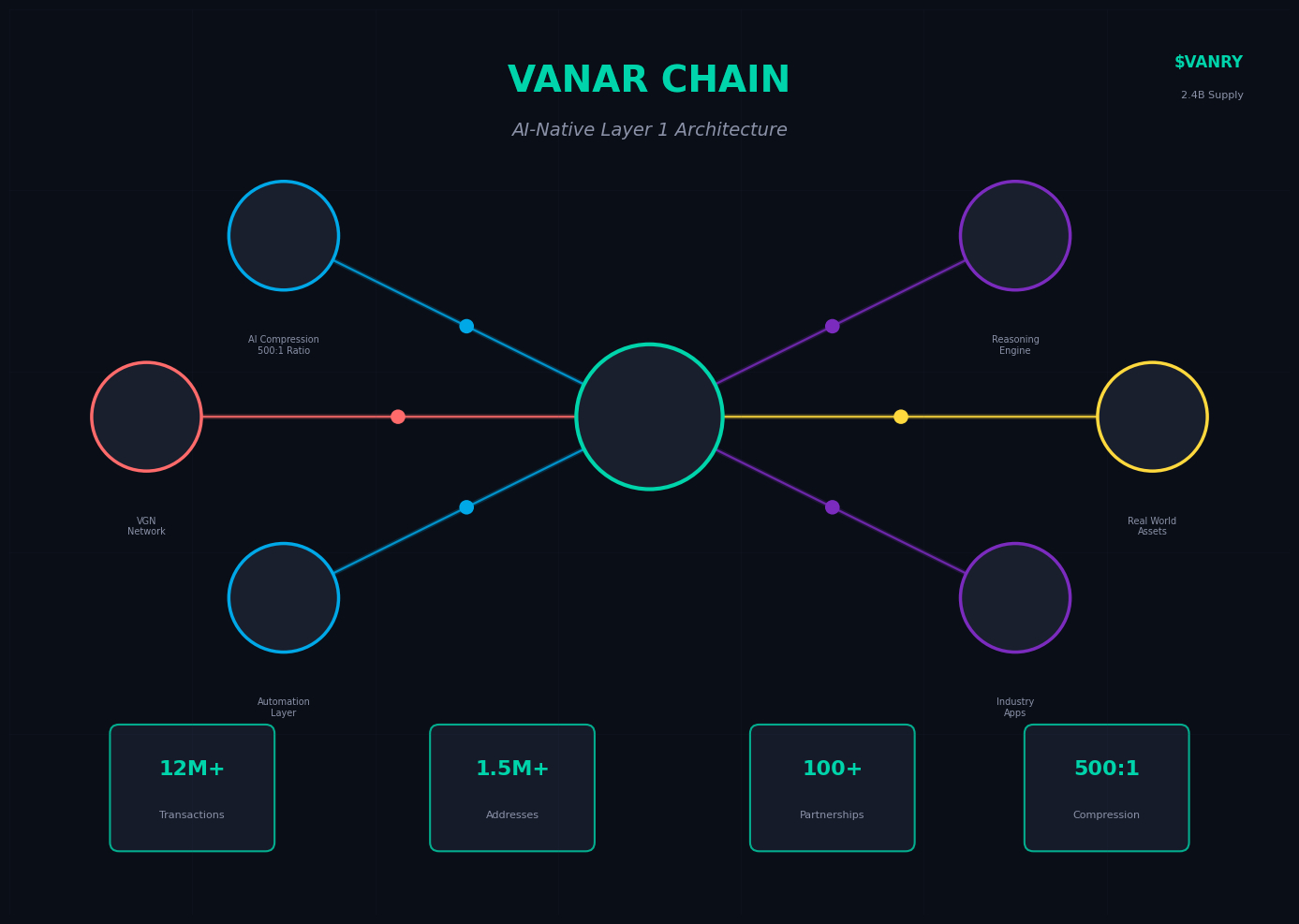
Here's what makes it interesting. Vanar has this five-layer stack, but the two that matter are Neutron and Kayon. Neutron is like a super-compression engine. You know how a 25MB video file would be impossible to store on-chain normally? Neutron squashes it down to something tiny—like 500 times smaller—and stores it as what they call a "Seed." But here's the kicker: this isn't just zipping a file. The Seed keeps the meaning and context. It's searchable. It's queryable. An AI can actually understand what's inside it.
Then there's Kayon, which is basically the brain. Kayon can read these Seeds and answer questions about them. Imagine uploading a property deed and asking your smart contract: "Is this deed valid in California? Does it have any liens?" Normally, you'd need lawyers, databases, APIs, and a lot of trust. With Vanar, the chain itself can reason through it. That's wild if it actually works at scale.
The token is called VANRY. There are about 2.4 billion total, with roughly 1.96 billion circulating right now. You use it for gas, staking, governance—the usual stuff. But they also burn tokens when people use the network, which creates this deflationary pressure over time. It's listed on a bunch of exchanges—Bybit, Kraken, KuCoin, Crypto.com—so it's not some obscure thing you can only buy on a sketchy DEX.
What I find most promising is the ecosystem they're building. They've got over 100 partnerships now, ranging from gaming studios to AI projects. There's this thing called the VGN Games Network for Web3 gaming, and they've partnered with studios that have made games for Disney and Hasbro. That's 700 million downloads worth of experience coming into their ecosystem. On the AI side, they're working with projects that let you monetize your data, automate payments with fraud detection, and create AI agents that actually own digital assets.
But here's what really sold me on the concept: the onboarding. They built this Chrome extension called myNeutron that creates wallets automatically in the background. So your mom could use an AI tool powered by Vanar without ever knowing she's using blockchain. No seed phrases. No gas fees in her face. Just works. That's how you get actual adoption, not just crypto natives circle-jerking about decentralization.
The roadmap for 2025 is ambitious—full Neutron rollout, more PayFi integrations, real-world asset tokenization. They've already processed nearly 12 million transactions with over 1.5 million unique addresses, which suggests real usage rather than bots and airdrop farmers.
Of course, it's not all sunshine. The competition is brutal. Gaming chains like Flow and Enjin have been around longer. The AI integration adds complexity that could break or get hacked. And let's be real—most "AI blockchain" projects are 90% marketing, 10% tech. Vanar has to prove they're the exception.
But here's why I'm cautiously optimistic. They didn't start as an AI blockchain. They evolved into one because they hit real problems building their metaverse and gaming stuff. The pivot from TVK to Vanar wasn't a rebrand for hype—it was a recognition that the infrastructure they needed didn't exist, so they had to build it. That's a different energy than most projects.
I'm not saying Vanar is definitely the future. Crypto is full of brilliant tech that never finds product-market fit. But in a space where everyone is copying everyone else, building yet another EVM clone with slightly faster blocks, Vanar is asking different questions. What if contracts could read? What if data could think? What if blockchain wasn't just a database, but a brain?
Those are questions worth exploring. Whether they pull it off or not, at least they're trying something that isn't just "what if Uniswap, but on our chain?" And in 2024, that's refreshingly rare