Vanar Chain ($VANRY) tries to feel like the “easy mode” of launching real products on an L1—especially if you’re coming from Ethereum tooling and you just want things to work without learning a whole new dev universe. If you’re a builder, the first thing you’ll notice is the chain leans hard into EVM compatibility, which basically means your Solidity habits, your wallet flow, and most of your standard stack can carry over with minimal drama.
The practical builder story starts with the boring stuff (which is actually the most important): network configuration. Vanar publishes clear mainnet and Vanguard testnet details—RPC endpoints, WebSocket endpoints, chain IDs, explorer links, and native currency symbols. That matters because onboarding isn’t “reading docs,” onboarding is “copy config, connect wallet, deploy something, verify it.” When those details are clean, new developers don’t get stuck on the first step and bounce.
Wallet onboarding is very straightforward in the EVM sense. If your wallet supports custom networks, it can connect. MetaMask-style setups, plus other EVM wallets and WalletConnect flows, are part of the typical experience. For devs, the main point isn’t “it supports MetaMask”—every EVM chain does. The real point is whether your product can onboard non-crypto users without them getting confused. That’s where builders usually add a clean “switch network” prompt, network mismatch handling, and a mobile-friendly connector. Your chain can be fast, but your product dies if the first click feels like a puzzle.
On testnet, the first few minutes are predictable: add Vanguard network, use the faucet, get test tokens, send a transaction, and open the explorer to confirm it landed. Vanar supports that loop with a Vanguard faucet and a Vanguard explorer, which is exactly what a developer wants on day one. One thing to be aware of: the faucet limit wording can differ between pages or UIs over time, so the faucet page itself is typically the most reliable “live” truth for how often and how much it dispenses.
Once you have test funds, the next thing you’ll do is deploy a contract, and this is where Vanar’s approach is builder-friendly. You can take the classic Solidity route—Hardhat deployments, OpenZeppelin contracts, and standard scripts. That path is for teams that want full control, custom logic, and audit-grade discipline. At the same time, Vanar also points builders toward a faster route using thirdweb-style tooling, which is popular for teams shipping consumer apps where speed and onboarding matter more than total contract customization on day one. In real life, many projects start with “ship fast” tooling and then later migrate parts of the stack to custom contracts once the product proves traction.
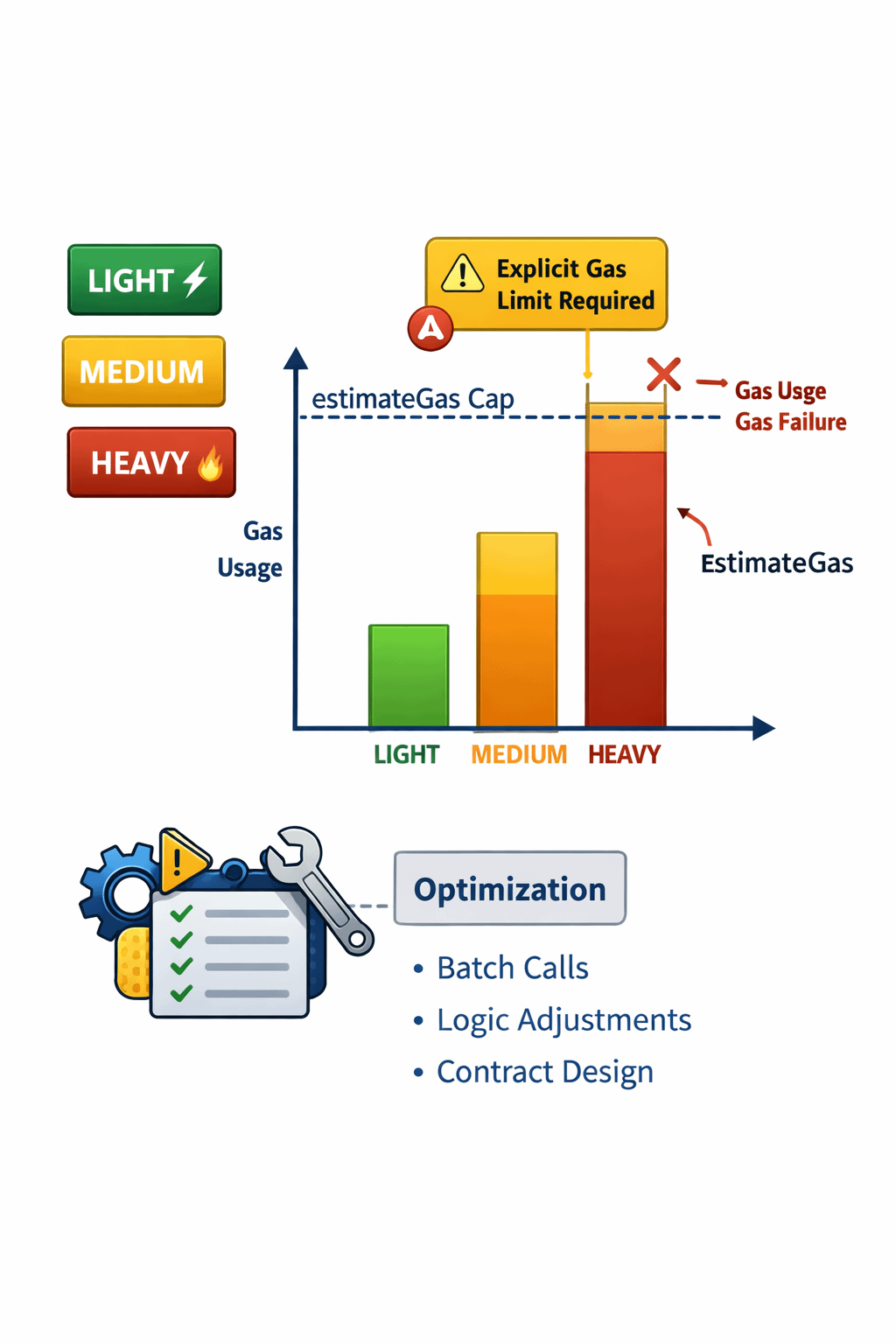
One place devs lose time on almost every chain is gas estimation—especially when contracts start doing heavier work. Vanar documents a tiered gas estimation behavior that’s worth knowing early. The simple human version: if you estimate gas without setting a limit, you may hit a cap and get a failure for heavier calls. During testing, explicitly estimating with a higher gas limit can save you from the “why is estimateGas failing?” loop. If you consistently need huge gas, it’s usually a sign your contract logic needs optimization, batching, or a different design.
Explorers are your real debugging console, and the Vanar/Vanguard explorers give you the usual EVM workflow: search tx hashes, inspect blocks, track addresses, verify deployments, and confirm events. The best habit you can teach your team is simple: every deploy script should print the deployed address and tx hash, and your internal notes should include explorer links. It turns deployment from “I think it worked” into “I can prove it worked.”
As soon as you start thinking about real users, RPC reliability becomes a big deal. Public RPC endpoints are fine for early dev and MVP work, but production apps often need more control—either running your own node or choosing infrastructure that can handle real traffic. Vanar provides guidance for running a Geth-based RPC node, which matters if you’re building anything event-heavy: games, mints, marketplaces, analytics dashboards, or anything that listens to logs continuously through WebSockets. Once you’re on the hook for uptime, you start caring about fallback RPCs, reconnection logic, and monitoring—because “the chain is fast” doesn’t help if your websocket drops in the middle of a user action.
For infra-focused builders, Vanar describes a model that combines Proof of Authority with Proof of Reputation onboarding, and their validator materials also include a “green” operational angle. App developers don’t need to obsess over that on day one, but it does hint at how the network is thinking about governance, validator onboarding, and its identity beyond pure throughput.
From the builder angle, $VANRY is mostly simple: it’s the native asset used for transaction fees on mainnet, and it plays into staking/validator economics depending on how you participate in the network. The real product question is gas UX. If your target users are mainstream, you’ll want a plan: sponsoring gas for key actions, batching steps so users sign fewer transactions, using smarter account flows if your stack supports it, and designing your UI so users don’t feel like they’re “paying fees” every two clicks.
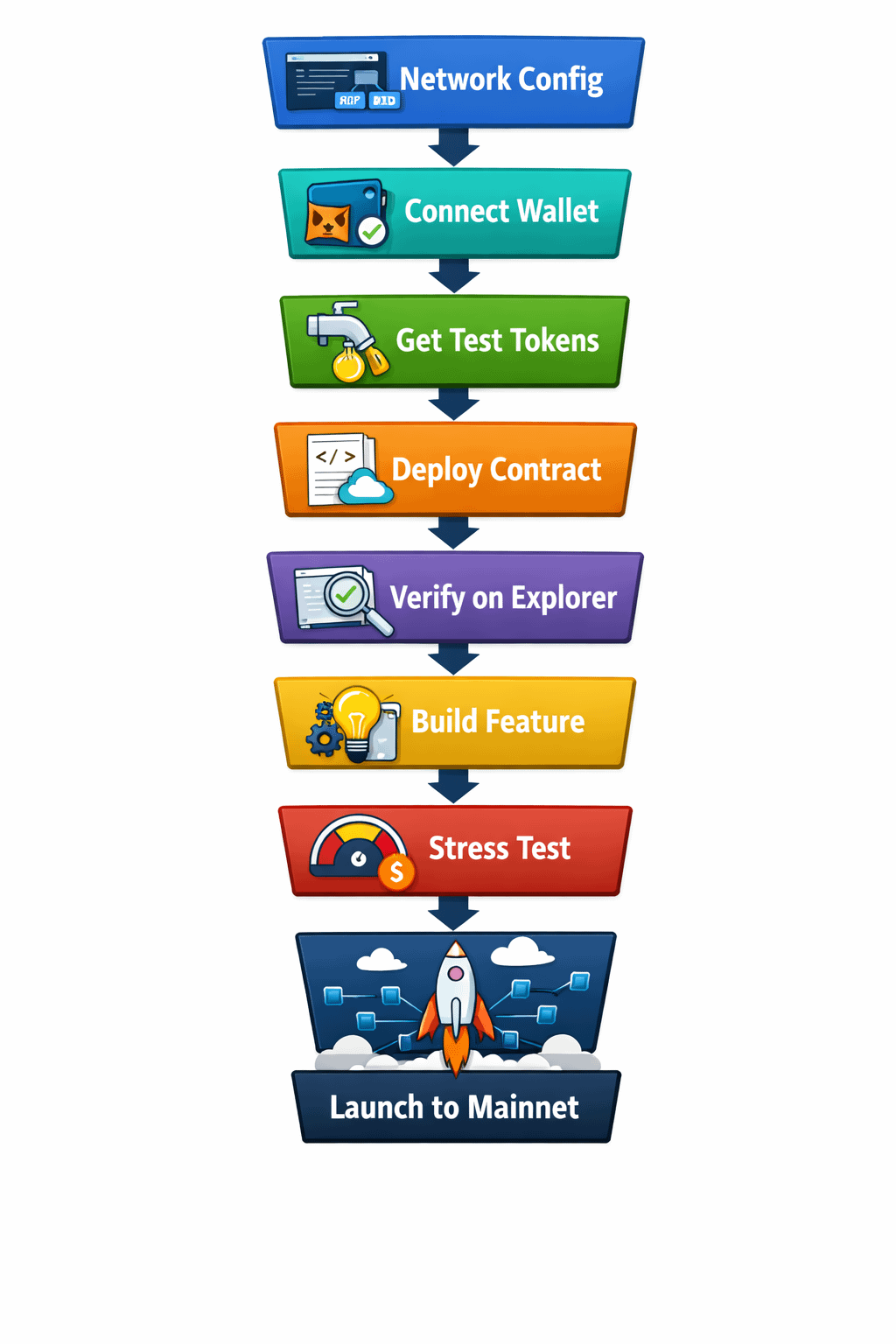
If you want the smoothest onboarding experience for yourself or your team, the natural flow is: set up Vanguard, faucet, deploy a basic contract, verify on explorer, build one real feature end-to-end, then stress test your heaviest contract call so gas estimation and UX don’t surprise you later. Once that’s stable, switching to mainnet becomes a configuration change and a deployment ceremony—not a whole new learning curve.