
Cryptocurrency markets operate like nothing in traditional finance – 24/7, global, and supercharged by innovation. Unlike stock exchanges that close each night, crypto “never sleeps”. In fact, Binance notes that “the crypto market never closes”. Every day and night, traders across multiple continents can buy, sell or swap digital assets. This around-the-clock liquidity means price discovery is continuous – there is always a bid or ask from someone in another time zone. In practice, more than half a billion people (≈6.8% of the world’s population) now hold crypto, so the market literally never shuts off. Anyone with an internet connection (and a smartphone or computer) can join these markets 24/7, making crypto truly borderless and permissionless. As a result, global crypto assets have reached a combined market capitalization on the order of trillions of dollars – a level of aggregate wealth simply not seen in any single internet project before.
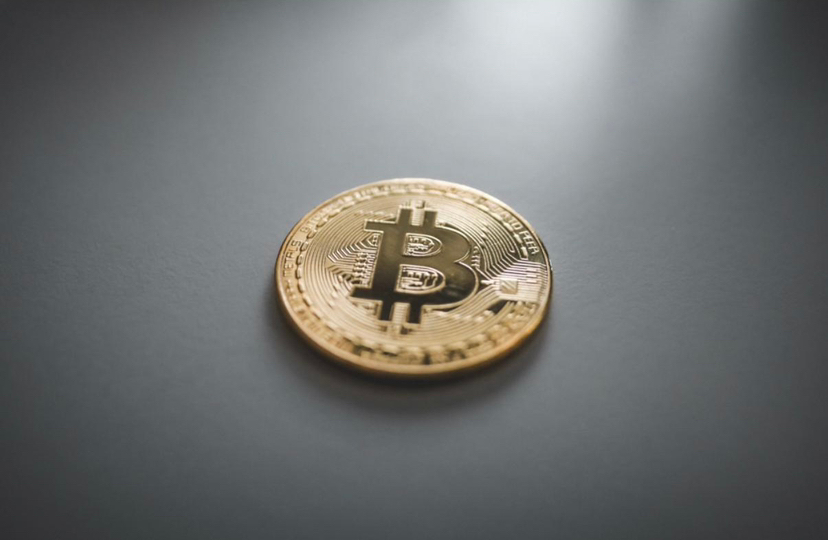
Extreme Volatility and Rapid Wealth Creation:
Crypto’s constant trading hours come with extreme volatility. Price swings of 10–15% (and often much more) in a single day are routine . This turbo-charged volatility means fortunes can be made (and lost) quickly. For example, one meme token – Dogecoin – rocketed from essentially zero to an all-time high of $0.7316 (over 115,000% above its prior low) before crashing back down . Similarly, major coins like Bitcoin and Ethereum have surged tens to hundreds of percent in single rallies (e.g. Bitcoin rising from ~$10K to ~$69K in 2021). In practice, crypto bull runs routinely dwarf stock-market returns. The combination of 24/7 markets and wild price moves means that nimble crypto traders can catch enormous moves any hour of day. In short: unprecedented gains in crypto have been possible simply because markets never pause and can swing massively.
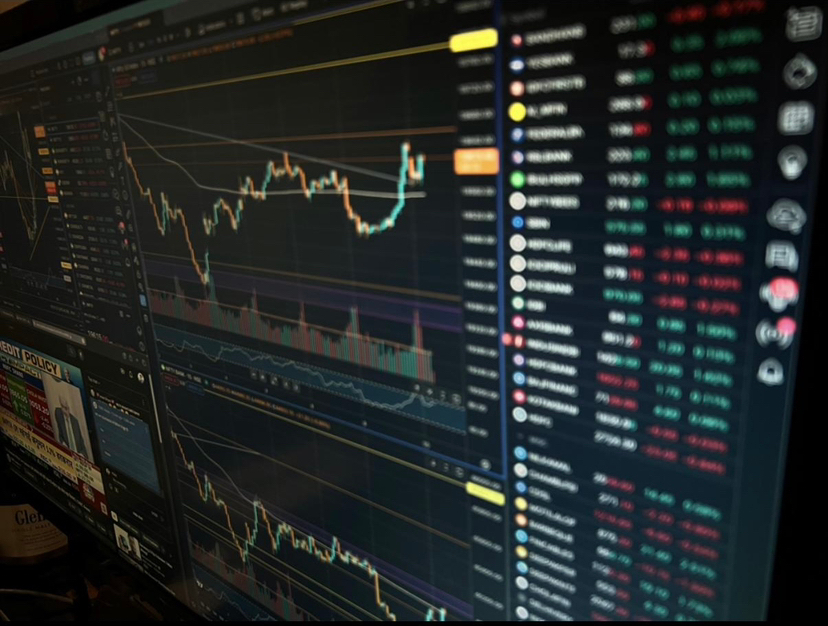
DeFi, Yield Farming, and Tokenomics Multipliers:
Beyond pure price speculation, crypto introduces whole new financial primitives. In Decentralized Finance (DeFi), idle crypto assets can be staked or lent to earn double- or triple-digit yields. Binance Research explains that some DeFi pools have offered APYs “surpassing 100%” (even 1000%) for early participants. Investors become liquidity providers by locking tokens into smart-contract pools (on Uniswap, Aave, Compound, etc.) and earning a share of trading fees or interest . Advanced farmers then chase the highest APRs: they chain strategies across multiple protocols, stake their LP tokens in additional farms, and continually compound returns. In effect, crypto assets are put to work algorithmically rather than just held. This “financial engineering” can multiply gains far beyond any bank savings account – but it also carries smart-contract, liquidation and impermanent-loss risks that traders must manage carefully .
Crypto’s tokenomics further amplify returns. Cryptographic tokens can be programmed with deflationary mechanics (burns, buybacks, limited supply) or incentive rewards that drive demand. Binance Research notes that “tokens can ensure incentive alignment” and be used to “raise capital from early adopters” . In practice, this means projects often allocate generous token rewards to early backers or buyers – rewarding them with exponential upside if the protocol succeeds. Unlike traditional equity, crypto tokens can dynamically adjust supply in code: for example, some coins have built‑in burn mechanisms or escalating staking rates. These engineered economics create artificial scarcity and high yield curves for insiders, contributing to explosive growth when demand rises.
Speculative Booms: Meme Coins, NFTs, and Innovation:
Crypto’s marriage of finance and technology also fuels speculative crazes that behave like game phenomena. Memecoins — tokens built around jokes or internet memes — have seen parabolic rallies. Dogecoin itself, a meme coin, has soared by orders of magnitude from a few cents to its 2021 peak (and similar gains were seen by coins like Shiba Inu and many “Dog” derivatives). These tokens often have no utility beyond trader speculation, yet they attracted millions of retail participants at once. Likewise, Non-Fungible Tokens (NFTs) turned art and collectibles into crypto assets. The most dramatic example: a digital collage from the “Everydays” series (see image below) fetched $69.3 million at Christie’s auction . Once a fringe novelty, NFTs have minted overnight millionaires – e.g. CryptoPunks and Bored Ape NFTs routinely sold for millions of dollars in 2021-2022.

Behind these booms lies cutting-edge technology. Crypto’s public ledgers and smart contracts enable entirely new asset types and coordination. Crowdfunding via token sales bypasses traditional IPOs , DeFi opens up lending to anyone, and on-chain governance gives retail holders direct influence over projects. These innovations draw in tech-savvy investors looking for outsized returns. In short, crypto combines cutting-edge tech (blockchain, smart contracts, token economics) with speculative demand. The result is a market that can feel like an “unlimited money glitch” – because the usual rules of finance (trading hours, bounded yields, restricted access) have been fundamentally rewritten.
Conclusion
The cryptocurrency market’s unique blend of always-on trading, extreme volatility, permissionless access, and programmable economics makes it unlike anything in legacy finance. Any individual with a phone can tap into a global market, deploying assets into high‑yield strategies or chasing the next viral coin. This democratization — plus blockchain technology enabling novel assets (like NFTs) — means crypto can generate eye‑popping wealth very rapidly. Yet it also demands deep understanding and caution: the very features that allow quick profits can just as easily lead to fast losses. In the end, crypto’s “unlimited money glitch” reputation comes from its combination of 24/7 markets, multithousand-percent rallies, and yield engines far beyond traditional finance. For seasoned traders and builders, this is both an unprecedented opportunity and a reminder that extraordinary returns always carry extraordinary risk.