

Tokenization is widely seen as one of blockchain’s most transformative use cases. From equities and bonds to real estate and funds, bringing real-world assets onchain promises greater liquidity, faster settlement, and global accessibility. Yet most blockchain networks are fundamentally unsuitable for this vision because they expose sensitive financial data by default. Dusk Network was designed specifically to solve this problem.
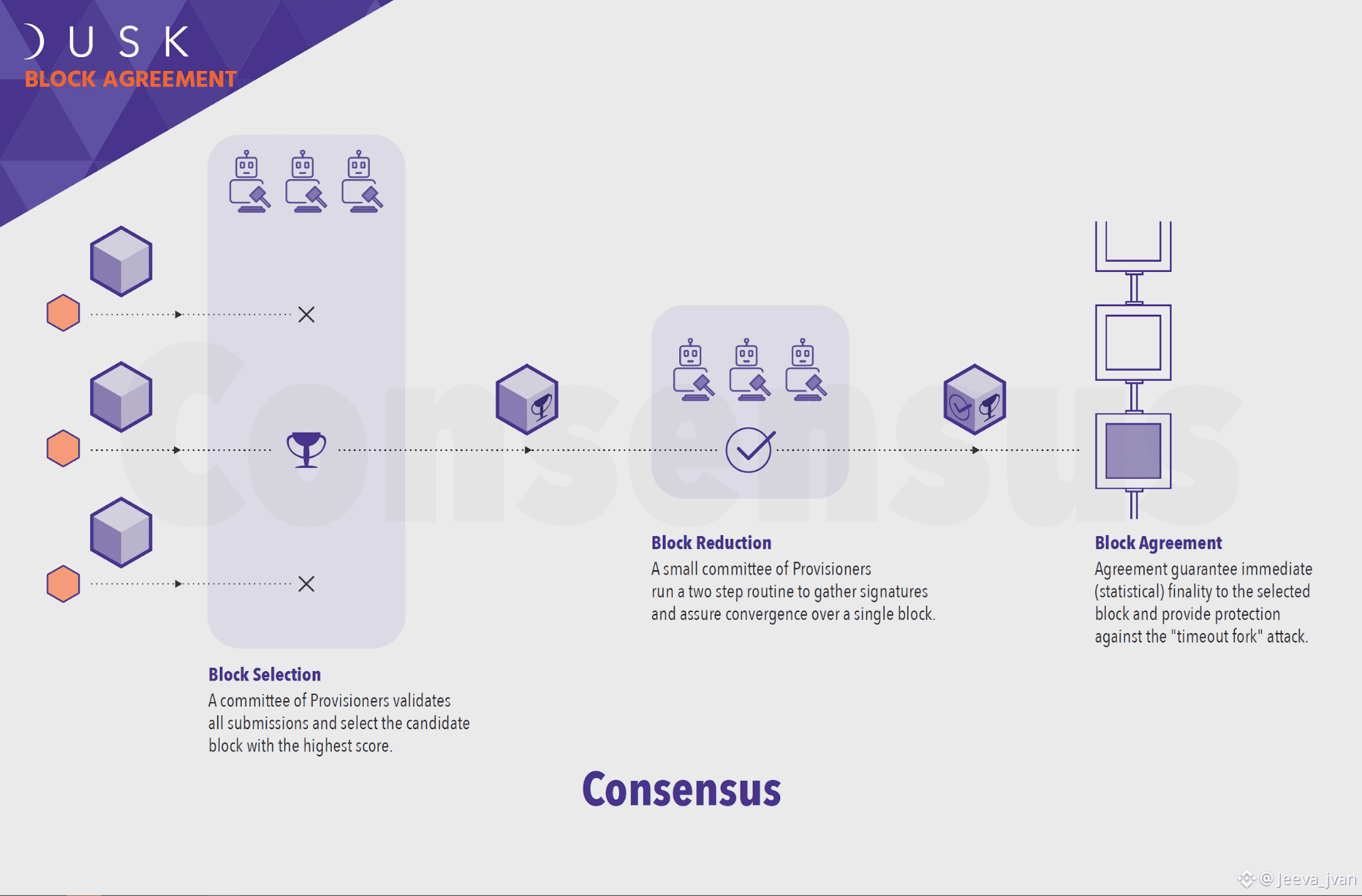
At its core, Dusk is a blockchain optimized for confidential smart contracts and regulated digital assets. It enables issuers to tokenize assets while enforcing rules around ownership, transferability, and disclosure — all without broadcasting sensitive information to the public. This is critical for securities markets, where participant identities, transaction sizes, and contractual terms must remain protected.
Dusk’s architecture allows developers to build applications where compliance logic is programmable and privacy is preserved by default. Instead of relying on centralized intermediaries to enforce rules, these constraints can live directly inside smart contracts. This reduces operational risk, increases transparency where it matters, and minimizes unnecessary data exposure.
Another important aspect of Dusk Network is its institution-friendly design philosophy. The protocol recognizes that real-world adoption requires more than technical innovation — it requires legal compatibility, predictable governance, and robust security guarantees. By aligning blockchain primitives with existing financial frameworks, Dusk lowers the barrier for banks, asset managers, and fintech platforms to experiment with decentralized infrastructure.
As tokenization moves from theory to implementation, infrastructure choices will matter. Networks that prioritize memes and speculation may struggle to support regulated assets at scale. Dusk Network, by contrast, is positioning itself as a serious backbone for the next generation of compliant digital finance.
