

Most Web3 projects move fast. They launch, get attention, and then everyone jumps to the next big thing. But what really matters is what happens after that. Who keeps the data safe. Who makes sure apps still work months and years later.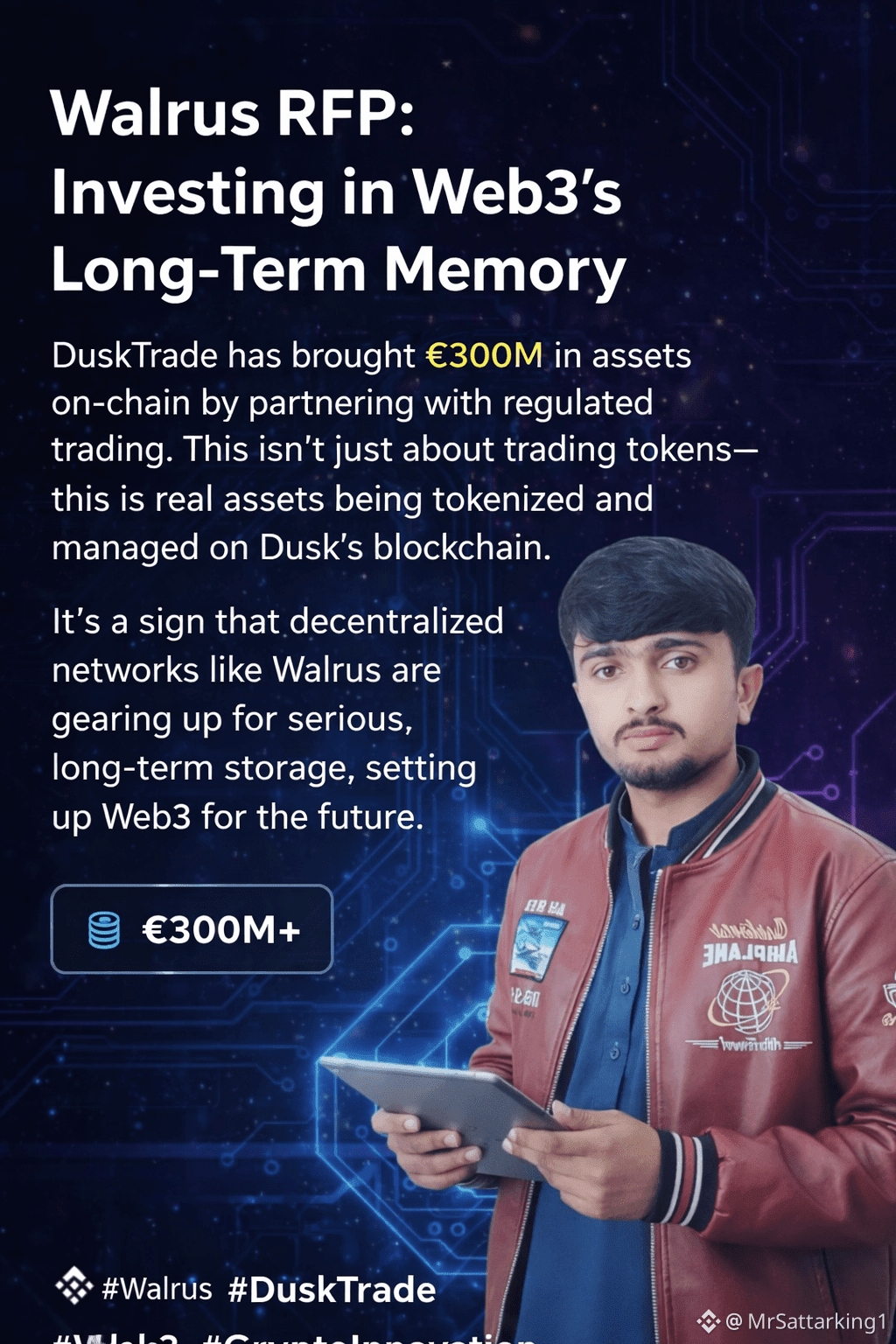
This is where Walrus is doing something different.
The Walrus RFP program is not about hype or short term promotion. It is about supporting real builders who are working on the parts of Web3 that usually get ignored. Things like long term data storage, reliable access, and tools that developers actually need.
Walrus knows that decentralized storage does not improve on its own. It gets better when people use it, test it, and build real products on top of it. Through its RFPs, Walrus invites developers to solve real problems and get rewarded for doing useful work.
What makes this important is that Walrus is not a consumer app. It is infrastructure. And infrastructure only becomes strong when many independent teams depend on it. When builders create apps, tools, and services on Walrus, the network becomes harder to break and harder to replace.
This also gives real meaning to the $WAL token. It is not just something people trade. It is used to power storage, reward node operators, and support apps that rely on Walrus every day. The more real usage there is, the more important $WAL becomes.
In 2026, Web3 is starting to grow up. People want platforms that last, not just projects that pump and disappear. Walrus is preparing for that future by investing in the people who are building Web3’s memory layer.
That is why more builders and long term users are starting to take Walrus seriously. It is not just about storing files. It is about making sure Web3 does not forget.
#Walrus #WAL #Web3 @Walrus 🦭/acc #DecentralizedStorage #BinanceSquare $WAL

