
What is the European Digital Identity (EUDI)?
The European Digital Identity, commonly known as EUDI, is a groundbreaking initiative by the European Union aimed at creating a secure, user-friendly, and universally accepted digital identity system for all EU citizens, residents, and businesses. Launched as part of the eIDAS 2.0 regulation, EUDI allows individuals to prove their identity and share specificpersonal attributes digitally across borders without relying on fragmented national systems.
This isn't just a simple online ID—it's a comprehensive digital wallet that stores credentials like age, qualifications, licenses, and more. It simplifies everyday tasks such as opening bank accounts, accessing government services, traveling, or verifying professional certifications.
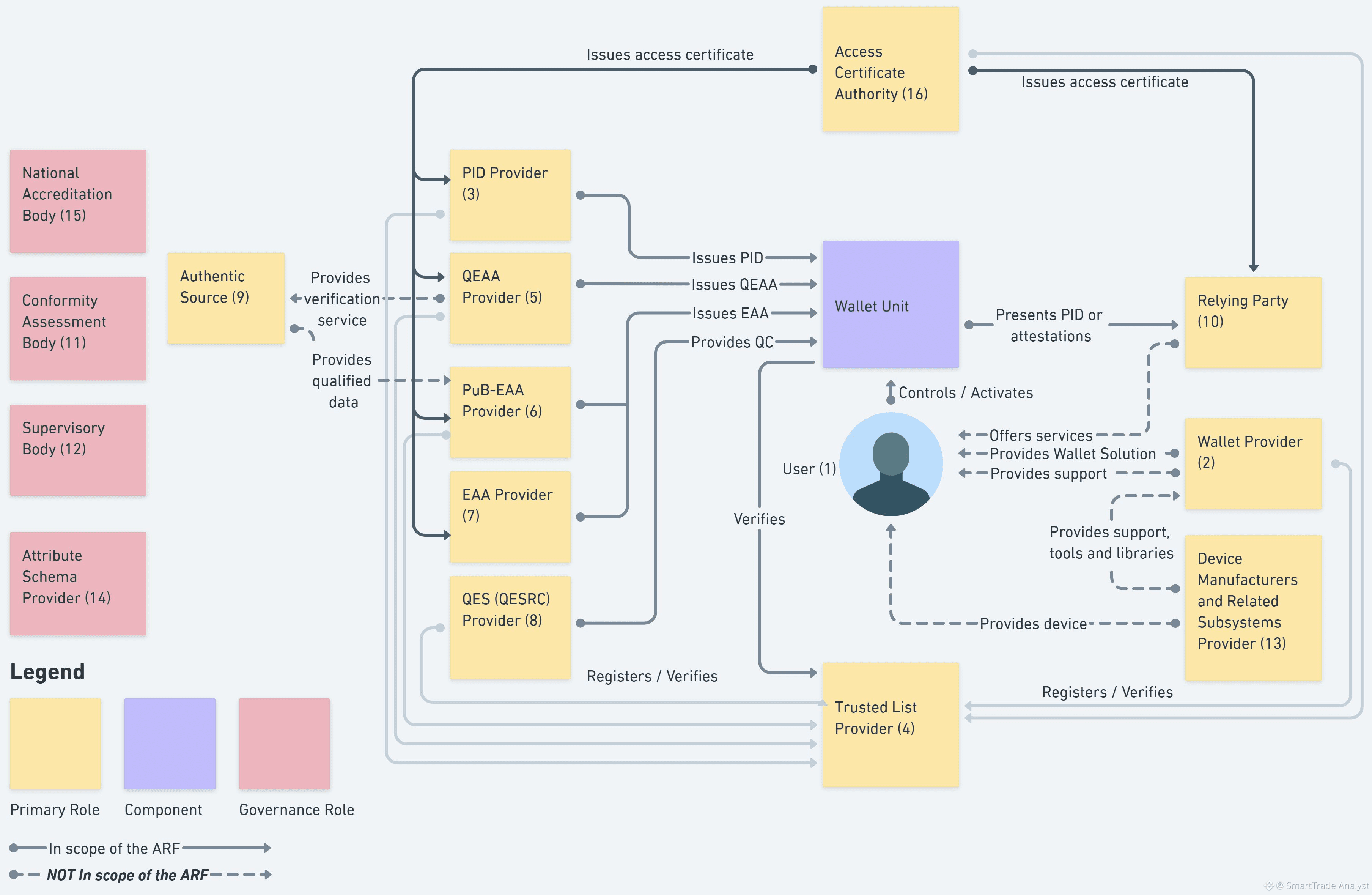
Here’s a visual overview of the EUDI Wallet architecture and key roles:
European Digital Identity Wallet - European Digital Identity
This illustration shows how different stakeholders interact in the EUDI ecosystem, ensuring seamless and secure verification.
Another clear representation of the EUDI Wallet in action:
Key Use Cases That Make EUDI a Game-Changer
EUDI is designed for real-world applications. Some of the most impactful use cases include:
Secure online service access
Digital driving licenses for cross-border mobility
Professional qualifications and certifications
Age-restricted services or variable pricing (e.g., discounts)
Health data sharing (patient summaries, prescriptions)
Educational diplomas and degrees
Financial services onboarding
Travel documents like visas or boarding passes
These scenarios eliminate the current chaos of mismatched IDs across 27 member states, reducing errors and enhancing efficiency.
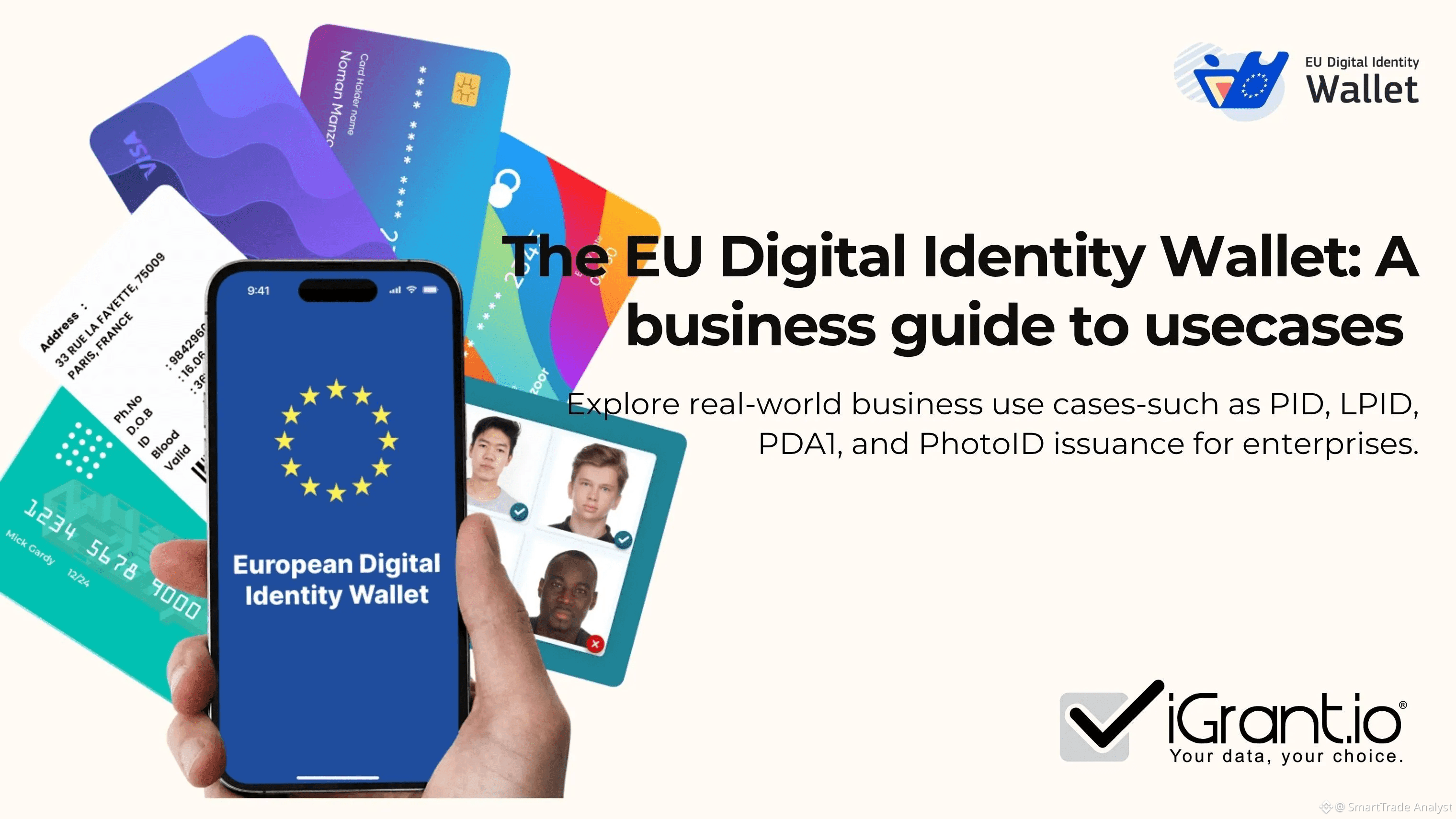
Check out this business-focused guide highlighting various EUDI use cases:
EUDI Wallet Business Use Cases Guide
The Architecture and Reference Framework (ARF): The Backbone of EUDI
In February 2023, the EU released the Architecture and Reference Framework (ARF), a detailed blueprint ensuring interoperability among all national implementations. ARF defines roles, standards, requirements, and protocols for the digital wallet, including certificate issuance, revocation, encryption, and selective disclosure.
It addresses complex interactions, such as when multiple parties (e.g., student, university, rail operator) need to verify eligibility for a discounted ticket. ARF makes sure data flows securely and only what's necessary is shared.
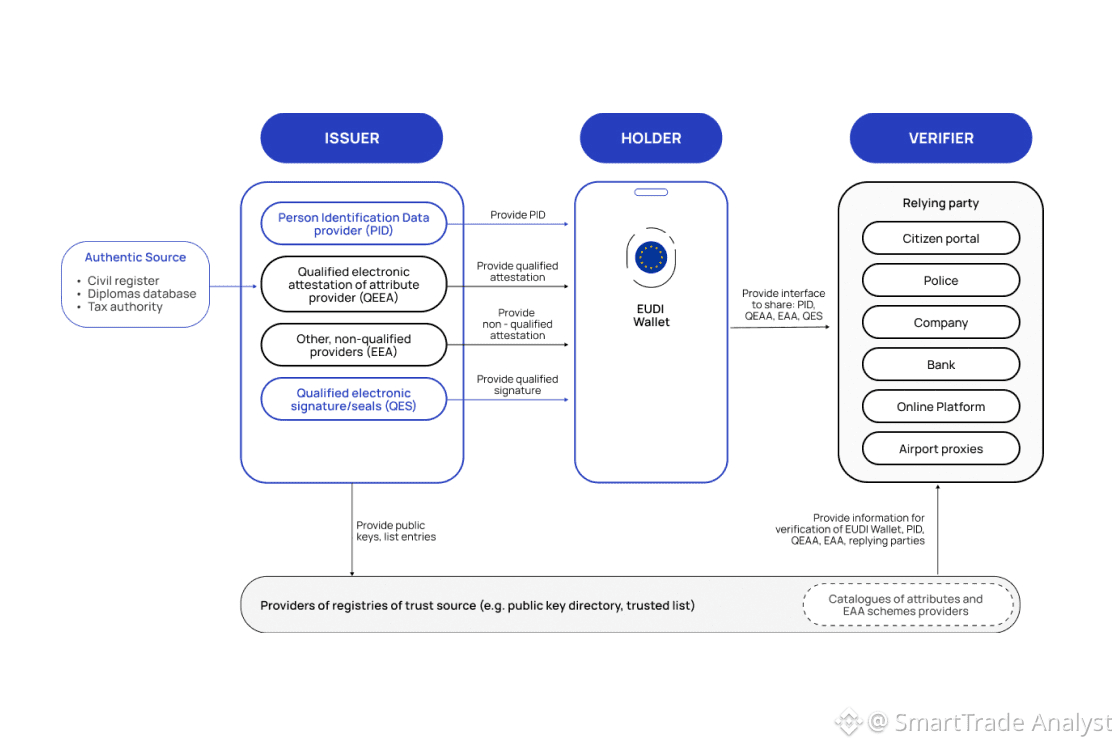
Here’s a visual of the EUDI ecosystem relationships:
EUDI-Wallet: Illustration of the eIDAS roles and relationships
Why Privacy Matters More Than Ever in Digital Identity
Traditional identity systems often require sharing excessive personal data, leading to privacy risks, data breaches, and identity theft. EUDI prioritizes privacy through features like selective disclosure—users control exactly what information is revealed.
This is where blockchain technology, especially zero-knowledge proofs (ZKPs), becomes revolutionary.
Zero-knowledge proofs allow you to prove something is true without revealing the underlying data. For example, prove you're over 18 without showing your birthdate.
Here are some powerful visuals explaining ZKPs in blockchain:
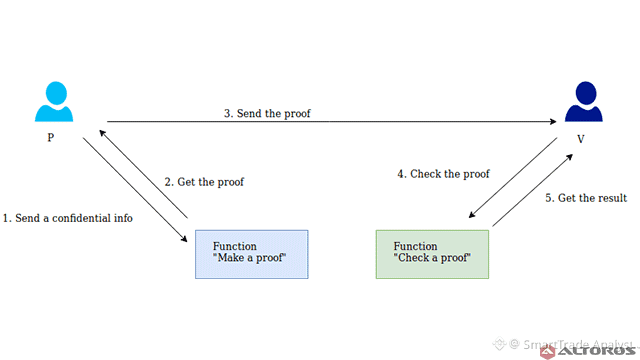
A Zero-Knowledge Proof: Improving Privacy on a Blockchain | Altoros
And another detailed diagram of how ZKPs enhance privacy:
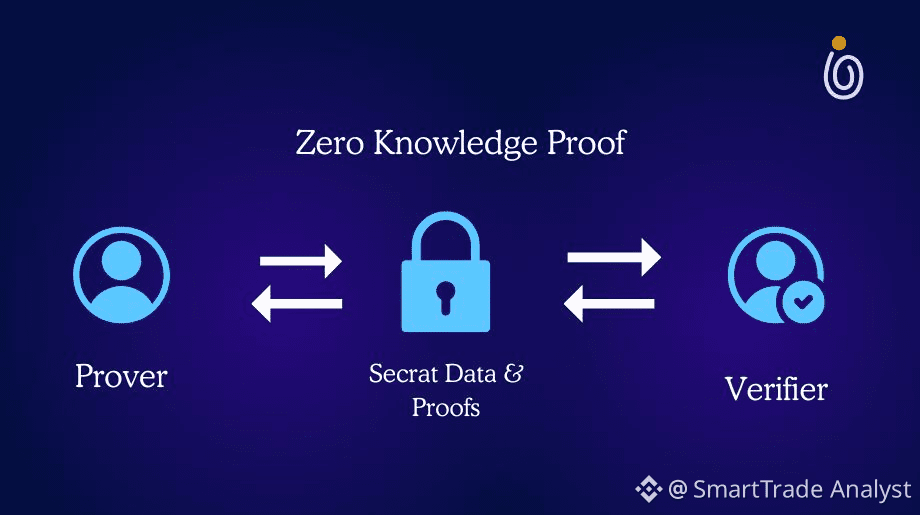
Zero Knowledge Proof: Complete Guide and Applications
Citadel, developed by @dusk_foundation on the $DUSK blockchain, is a privacy-centric, decentralized digital identity and compliance platform. It leverages zero-knowledge proofs to enable confidential, compliant verifications without storing massive databases of personal data.
Key strengths of Citadel that align with EUDI goals:
Ultimate Privacy → ZKPs for selective disclosure
Regulatory Compliance → Programmable rules that adapt to changes (e.g., post-Brexit adjustments)
Efficiency & Cost Savings → No
redundant data storage, lower overhead
Decentralized KYC → One-time verification, reusable proofs
Take a look at Citadel's official launch visuals from @dusk_foundation:
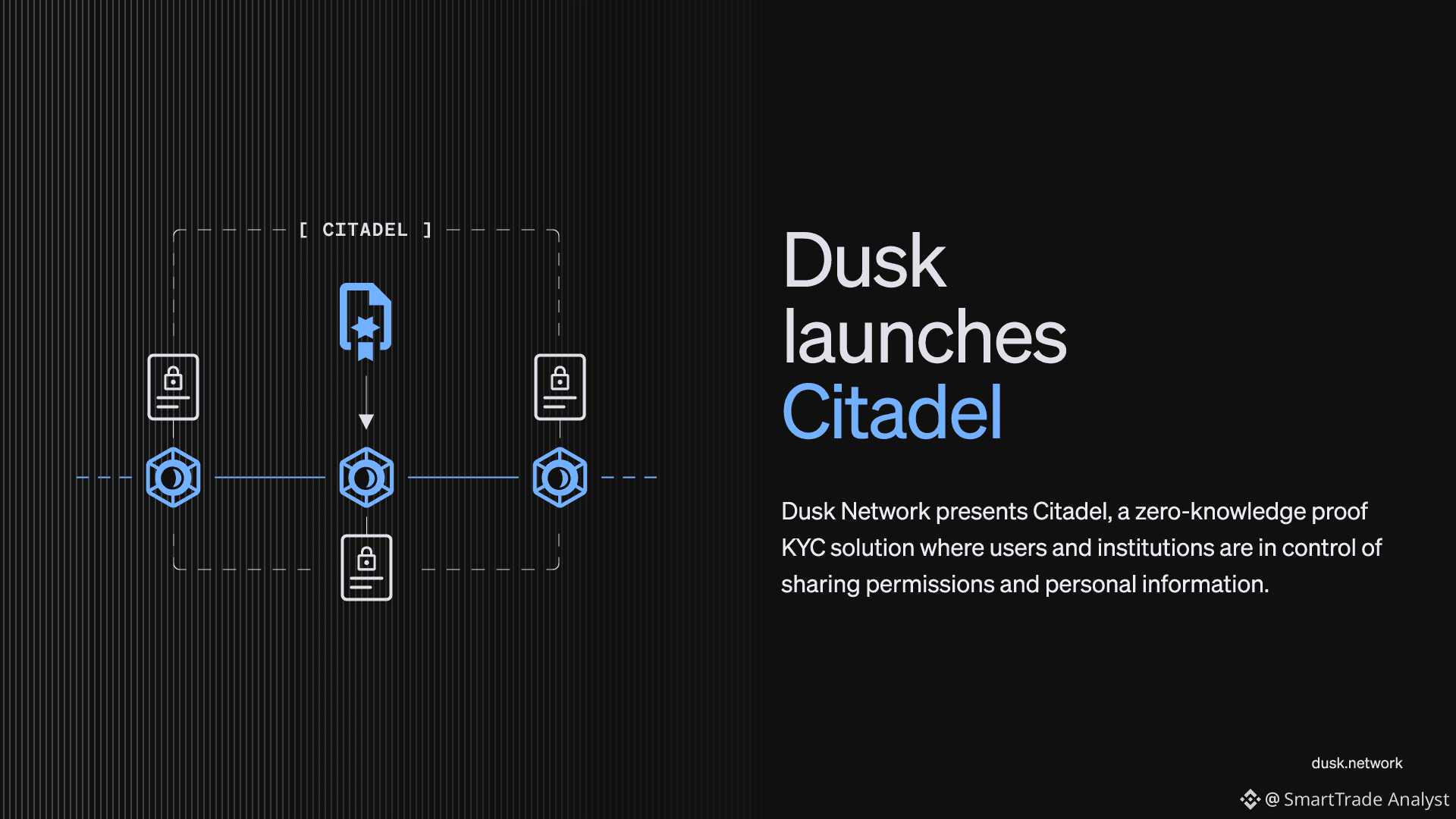
Regulated And Decentralized Finance • Dusk
And this futuristic depiction of regulated DeFi with Citadel:
Dusk release Citadel and Rusk VM 2.0 • Dusk
The Future of Secure Digital Identity in Europe
With EUDI pilots underway, integrating solutions like Citadel could transform how 450 million Europeans manage their digital lives. Combining EU-wide harmonization with blockchain's privacy and decentralization creates a truly user-empowered system.
Imagine seamless cross-border banking, travel, and services—all while keeping your data private.
Here’s an inspiring vision of the future EU digital identity wallet:
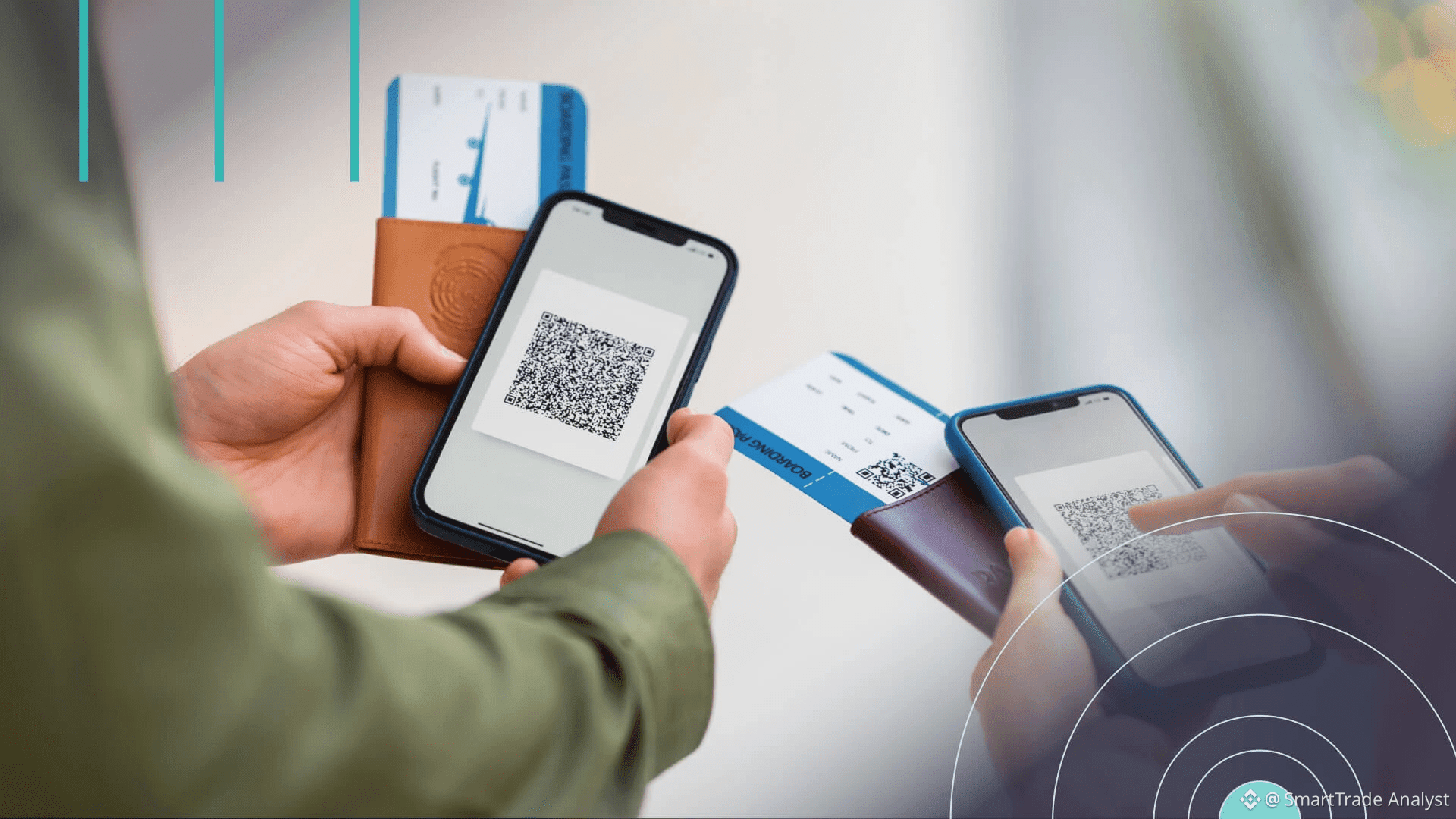
The EU Digital Identity Wallet: Innovation, Security, and ...
And people using mobile wallets for secure verification across Europe:
The EU Digital Identity Wallet: A Beginner's Guide
Final Thoughts on $DUSK and the Privacy Revolution
@dusk_foundation is leading the charge in regulated yet decentralized finance through $DUSK. Citadel represents a major step toward making EUDI more private, efficient, and future-proof.
As blockchain meets real-world regulation, projects like this could redefine digital trust.
What do you think about EUDI and Citadel's potential? Drop your thoughts below!
