
I didn’t start paying attention to Plasma ($XPL) because of performance claims. Speed is easy to advertise, and most chains look impressive when markets are calm. What tends to matter later often too late is how capital behaves when conditions stop cooperating.
In practice, most on chain systems are built on an optimistic assumption: liquidity will be there when needed, participants will respond quickly, and risk will remain evenly distributed. That assumption holds until it doesn’t. When volatility increases or incentives shift, capital tends to retreat, spreads widen, and systems that looked efficient begin to expose their fragility.
Plasma appears to start from a different premise. Instead of optimizing purely for activity, it focuses on how capital is committed, exposed, and withdrawn under pressure. That’s not a narrative advantage. It’s a structural one.
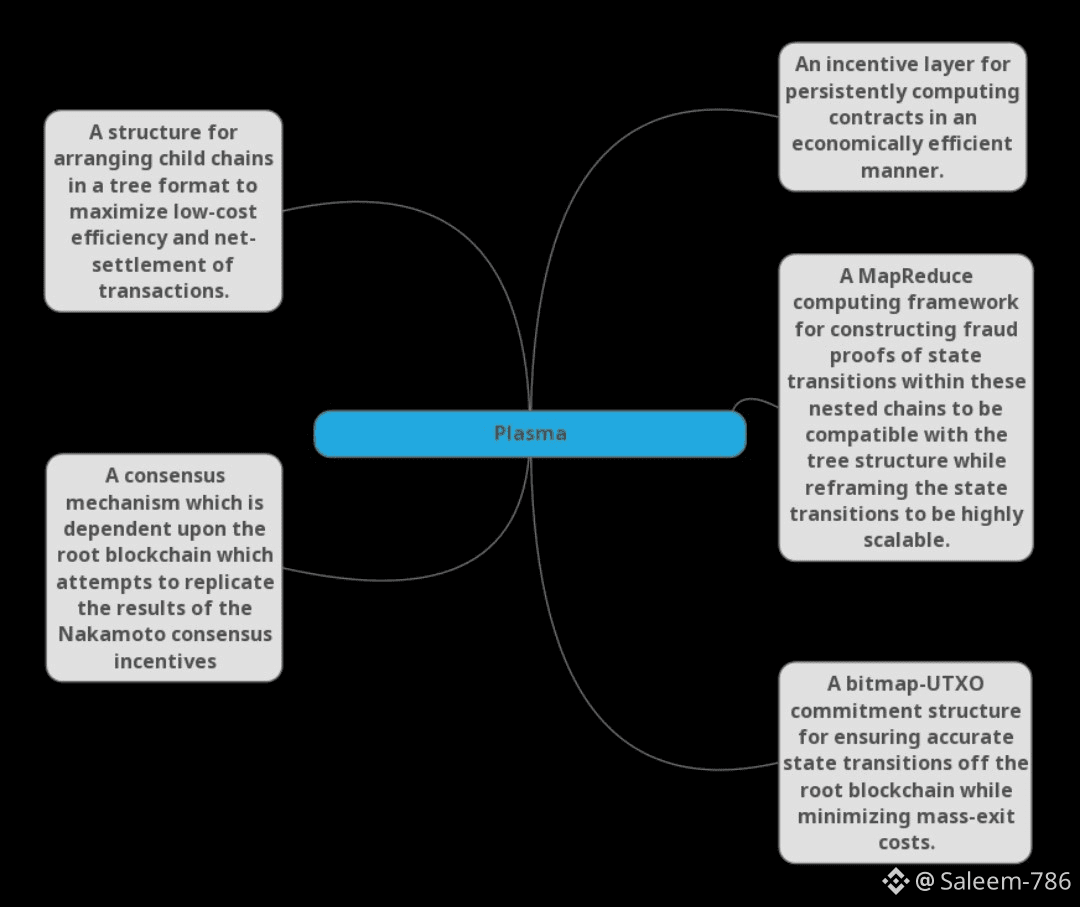
One of the more subtle design choices around Plasma is the separation between execution and capital exposure. Many blockchains force capital to remain fully exposed simply to participate. This works in friendly conditions, but it becomes costly when timing matters. In real financial systems, execution and exposure are rarely treated as the same thing. Plasma’s architecture seems closer to that reality, where capital efficiency is measured not just by throughput, but by how little unnecessary risk is taken to achieve it.
This distinction becomes important when markets aren’t liquid by default. Liquidity is often discussed as something you attract TVL, volume, incentives. But in stressed environments, liquidity is something you retain. Systems that don’t account for this tend to discover too late that incentives alone don’t keep capital in place.
Plasma’s framing suggests an awareness of this behavior. Capital is assumed to be cautious. Sometimes defensive. Often rational only after losses occur. Designing around that psychology changes how infrastructure behaves. It also changes what success looks like. Instead of chasing constant motion, the system prioritizes controlled participation.
From this angle, XPL reads less like a growth token and more like a coordination mechanism. Its relevance increases when conditions tighten when decisions about staying engaged or stepping back become uncomfortable. That’s when infrastructure either absorbs stress quietly or amplifies it.
There’s also something deliberately conservative in Plasma’s posture. It doesn’t assume perfect actors or endless liquidity. It doesn’t rely on the idea that markets will always self correct quickly. Instead, it treats stress as normal and builds around it. That choice may limit short term excitement, but it aligns with how financial systems that last tend to be constructed.
What Plasma seems to be testing is whether on chain infrastructure can behave less like an experiment and more like a system people rely on when uncertainty increases. Not opaque. Not chaotic. Just disciplined enough to keep capital behaving predictably when it matters most.
The open question isn’t whether Plasma can compete on speed or features. It’s whether capital will act differently on it when markets aren’t polite when hesitation, risk management, and constraint matter more than momentum. If it does, Plasma’s value won’t come from narrative cycles. It will come from durability.