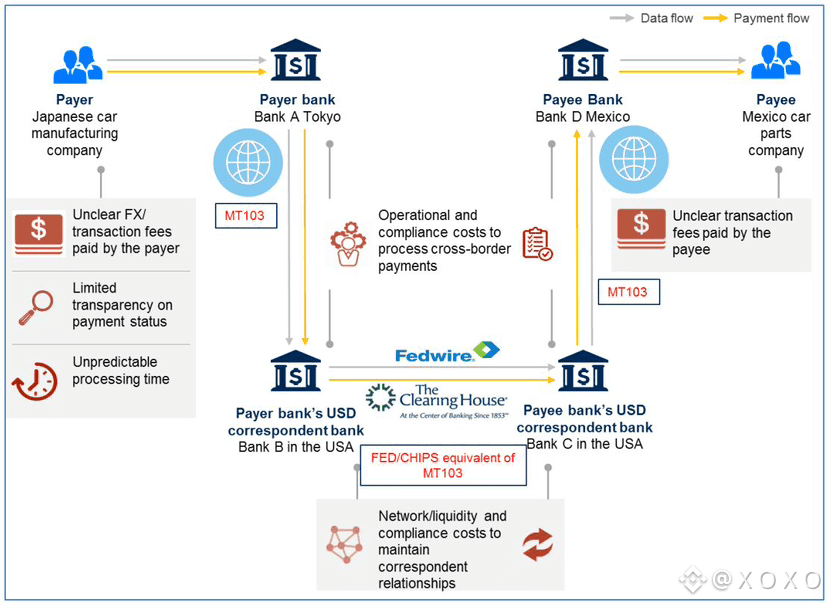
Stablecoins were supposed to simplify digital payments. Instead, they quietly introduced a new layer of complexity that most users never see until something breaks. On the surface, everything looks fine. A transfer goes through. A balance updates. However, beneath that simplicity sits a fragmented ecosystem of chains, bridges, liquidity pools, and settlement rules that do not speak the same language.
For businesses, this fragmentation is not an abstract problem. It shows up as operational drag. Funds arrive from different networks with different confirmation behaviors. Accounting teams struggle to reconcile records that look similar but behave differently. Refunds become manual work because reversing a payment across fragmented routes is never symmetrical. Over time, these small frictions compound into real costs that slow growth and erode confidence.
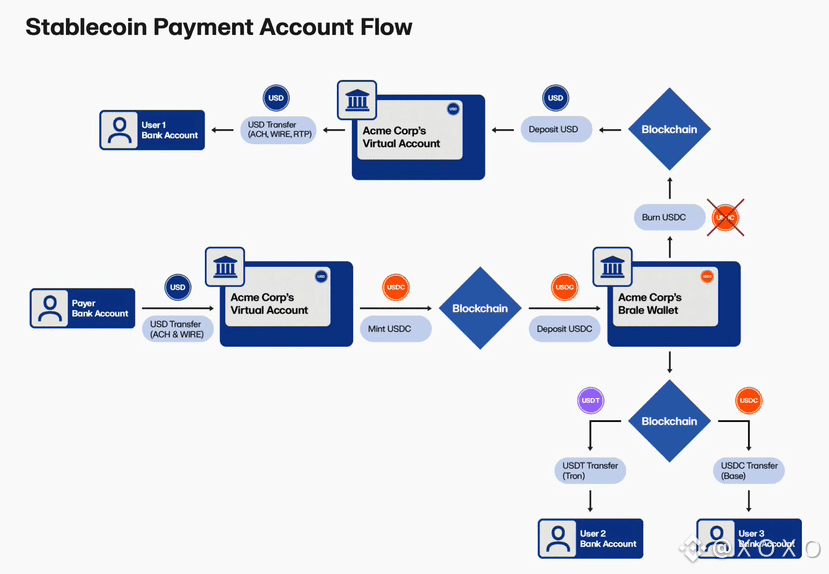
Plasma approaches this challenge by treating fragmentation as an infrastructure failure rather than a user error. Instead of asking businesses to adapt to multiple systems, Plasma focuses on building unified settlement logic that behaves consistently regardless of where value originates. This consistency matters because commerce depends on predictability more than novelty. When every payment follows the same rules, systems scale without constant oversight.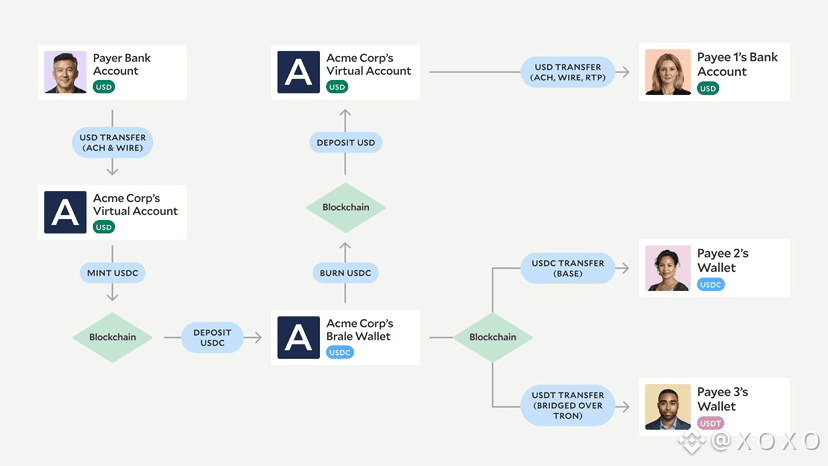
Moreover, fragmentation creates hidden risk. When liquidity is spread thin across networks, delays become normal. When settlement paths multiply, failure points increase. When timestamps and records diverge, disputes become harder to resolve. None of this is visible in a demo. It only appears at scale, when thousands of transactions must align perfectly at the end of a billing cycle.
Plasma’s philosophy is quiet but firm. Reduce complexity before it reaches the user. Align settlement behavior so businesses do not need to understand blockchain topology to operate globally. By absorbing fragmentation at the infrastructure level, Plasma allows platforms to focus on customers instead of routing logic. This is not about making payments faster. It is about making them dependable under pressure.
 My take is that fragmentation is one of the most underestimated barriers to real adoption. Users may tolerate friction for experimentation, but businesses will not. Systems that remove complexity without advertising it are the ones that endure. Plasma’s direction signals a long-term commitment to that reality, which is far more valuable than short-term visibility.