
Dusk’s New Direction Explained Simply
The blockchain world is changing fast, and networks must evolve to stay useful. Dusk is taking a major step forward by moving to a multilayer architecture. This change is not about hype or trends. It is about making blockchain technology easier to use, cheaper to integrate, and safer for real financial use. Dusk wants to serve institutions, developers, and users at the same time, without compromising privacy or regulation.
Why Dusk Chose a Multilayer Design
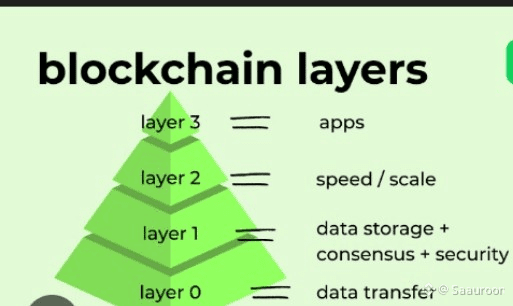
Traditional single-layer blockchains often struggle with scalability, cost, and complexity. Dusk’s new design separates responsibilities into clear layers. Each layer does one job very well. This reduces system pressure and makes development faster. By splitting execution, settlement, and privacy, Dusk avoids congestion and creates a more flexible system that can grow over time without breaking.
Understanding the Three Layers of Dusk
The new architecture consists of three main layers working together. The base layer handles consensus, staking, data availability, and settlement. Above that sits the EVM execution layer, designed for smart contracts and DeFi applications. Finally, a dedicated privacy layer supports advanced confidential transactions. This structure allows Dusk to support both public and private use cases on the same network.
DuskDS: The Backbone of the Network
DuskDS acts as the foundation of the entire system. It manages validation, staking, settlement, and native bridging between layers. A built-in pre-verification process checks transactions before they are finalized, increasing security and removing long dispute windows. Because this layer focuses only on core tasks, it stays efficient and lightweight, keeping node requirements low.
DuskEVM: Familiar Tools for Faster Adoption
The EVM layer is where most applications will live. Developers can use standard Ethereum tools like Solidity, MetaMask, and common frameworks without learning anything new. Existing EVM applications can move to Dusk with minimal changes. This dramatically reduces integration time and cost. Exchanges, wallets, and custodians can also connect much faster than before.
DuskVM: Privacy Without Compromise
Privacy is one of Dusk’s strongest features. The privacy layer allows full confidential applications using advanced cryptography. Sensitive financial data can remain hidden while still being verifiable and compliant. This makes Dusk suitable for regulated assets, institutional trading, and private transactions. Few blockchains offer this level of privacy together with legal clarity.
One Token, One Ecosystem
The DUSK token powers the entire multilayer system. It is used for staking, governance, transaction fees, and smart contract execution across all layers. A native trustless bridge moves value between layers without wrapped tokens or third-party custodians. Existing ERC20 and BEP20 DUSK will migrate smoothly, with no action required from holders or validators.
Why This Matters for Institutions and Developers
Dusk’s architecture is built for real finance, not experiments. Regulated platforms like NPEX can issue, trade, and settle real-world assets under one legal framework. Institutions benefit from one-time KYC, composable licensed assets, and compliant DeFi access. Developers gain plug-and-play infrastructure, faster launches, and access to regulated markets without complex custom work.
Final Thoughts
Dusk is not trying to be the loudest blockchain. It is building the most practical one. With its multilayer architecture, Dusk reduces cost, improves speed, and keeps privacy and regulation at the core. This evolution positions Dusk as a serious foundation for the future of on-chain finance, where institutions and decentralization finally work together.